Aug 112015
 

It ended up being a gorgeous night at Norris.  The MW was clearly visible and seeing looked reasonably good just based on the naked eye twinkle criteria.

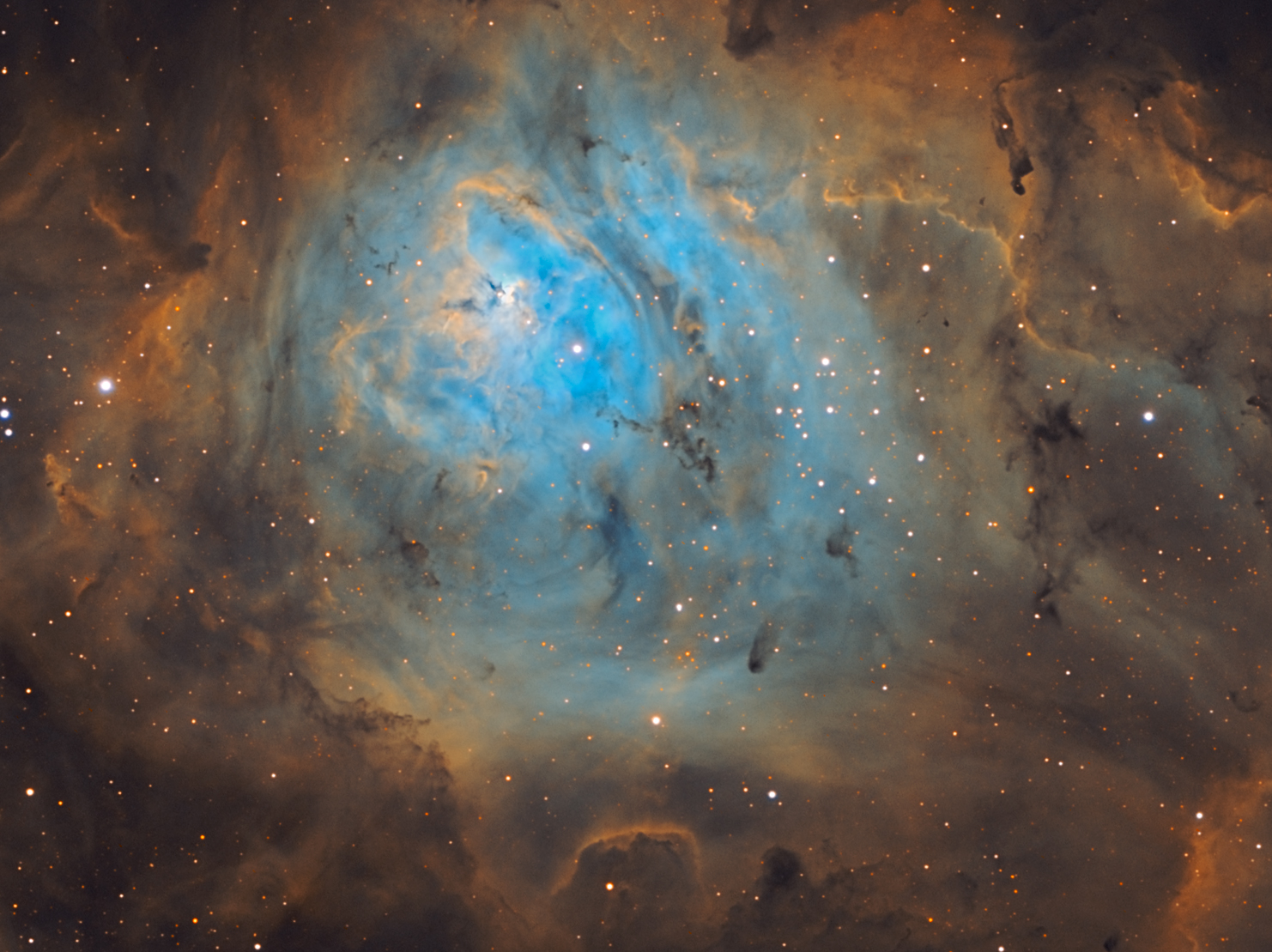
I was able to gather a paltry 3x20min of O[III] and 2x20min of S[II] data on M8 (The Lagoon Nebula) to complete a tricolor Hubble Pallet image before it moved behind a tree….

M8_v2

M8 – The Lagoon Nebula SVQ100, Apogee A694, Atlas EQG. Resolution: 1.61 arcsec/pixel FWHM of Raw Frames: 2.6 arcsec Exposure: Ha 8x20min, O[III] 3x20min, S[II] 2x20min

Jul 262015
 

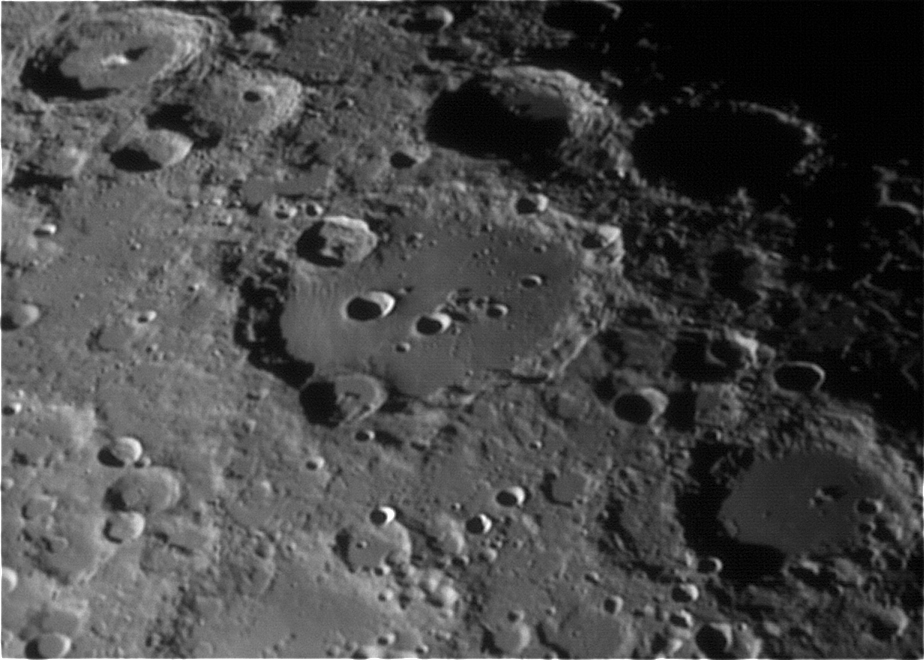
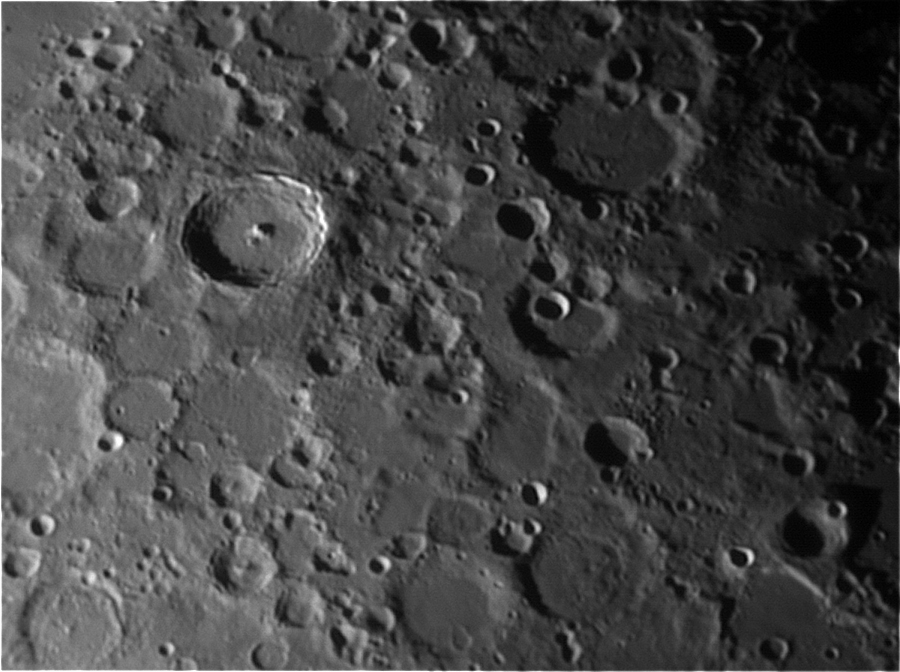
The night started off hazy with a big halo around the 68.5% illuminated waxing moon.  I wasn’t that optimistic about the high thin stuff clearing out so I threw the Lumenera monochrome high frame rate planetary camera on the scope instead of the usual deep sky camera and trained the scope on the moon for the public.  I added a wireless game-pad so they could drive the mount around and check out different parts of the moon on their own and hopefully add to their enjoyment.  After most of the guests had left I took a few videos and stacked them.  Unfortunately, the laptop is not setup for planetary imaging; hard drive space is very limited on the small SSD and I had to move each AVI to a flash drive as I took them…

Stellarvue SVQ100 & TV 5X Powermate with Lumenera Lu070 ccd.  30 seconds at 60 fps

Stellarvue SVQ100 & TV 5X Powermate with Lumenera Lu070 ccd. 30 seconds at 60 fps

AS_f100_Multi_Drizzle15_Moon_224106_g3_b3_ap62_wavelet

Stellarvue SVQ100 & TV 5X Powermate with Lumenera Lu070 ccd. 30 seconds at 60 fps

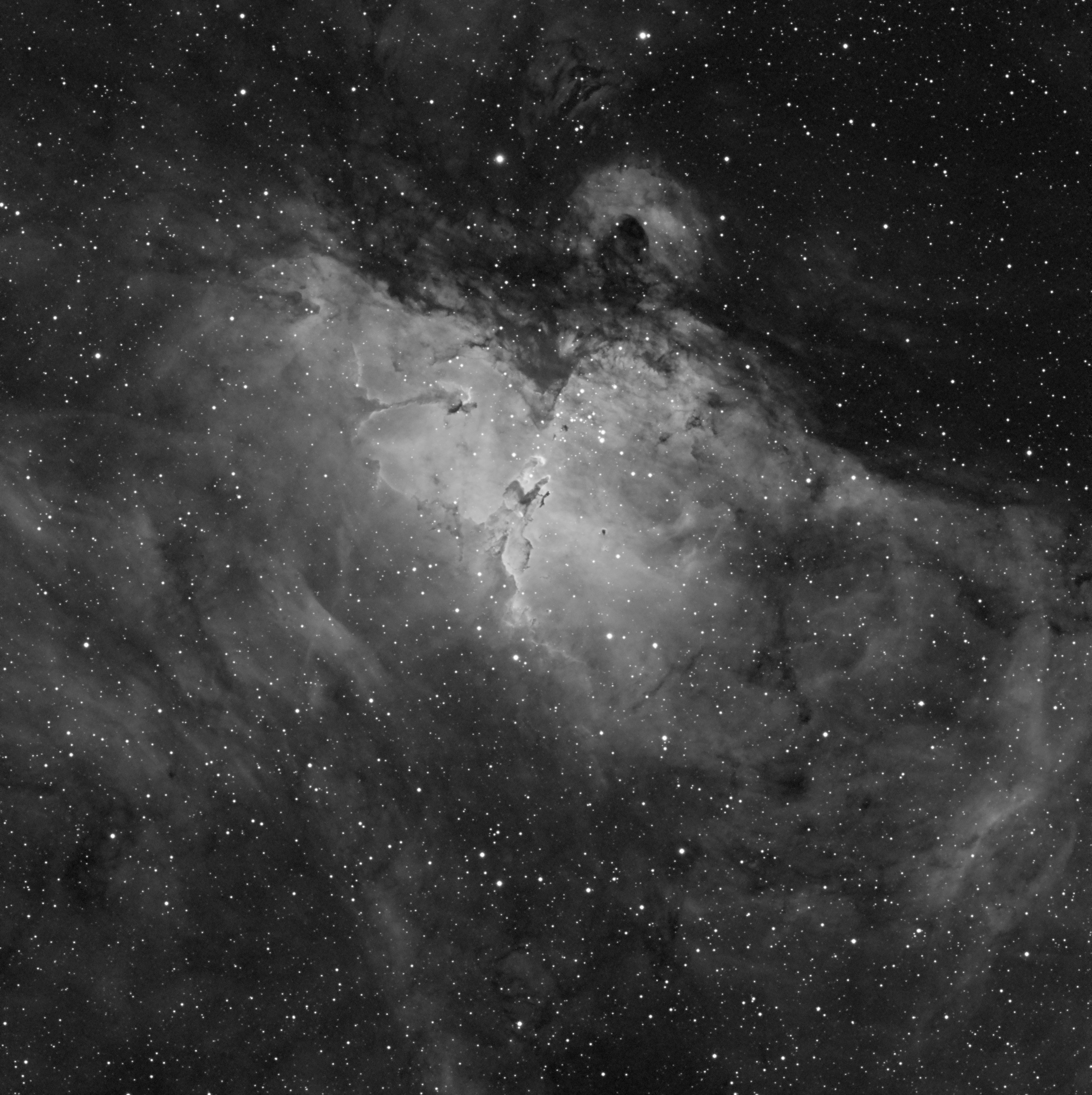
Luckily, it cleared up and the high thin stuff dissipated.  I grabbed the deep sky camera and got to work on M16, The Eagle Nebuka, in Sagittarius.

M16 - The Eagle Nebula Taken with a Stellarvue SVQ100, Apogee Ascent A694, Atlas EQ-G Mount, Baader 7nm Ha Filter.  Exposure time 8x20min.

M16 – The Eagle Nebula
Taken with a Stellarvue SVQ100, Apogee Ascent A694, Atlas EQ-G Mount, Baader 7nm Ha Filter. Exposure time 8x20min.


Jul 182015
 
M8 - The Lagoon Atlas EQ-G Stellarvue SVQ100, Apogee Ascent A694 8x20min through a Baader Ha 7nm filter.

M8 – The Lagoon
Atlas EQ-G
Stellarvue SVQ100, Apogee Ascent A694
8x20min through a Baader Ha 7nm filter.

The Lagoon Nebula (catalogued as Messier 8 or M8, and as NGC 6523) is a giant interstellar cloud in the constellation Sagittarius. It is classified as an emission nebula and as a H II region.

The Lagoon Nebula was discovered by Giovanni Hodierna before 1654[4] and is one of only two star-forming nebulae faintly visible to the naked eye from mid-northern latitudes. Seen with binoculars, it appears as a distinct oval cloudlike patch with a definite core. In the foreground is the open cluster NGC 6530.

From Wikipedia, the free encyclopedia

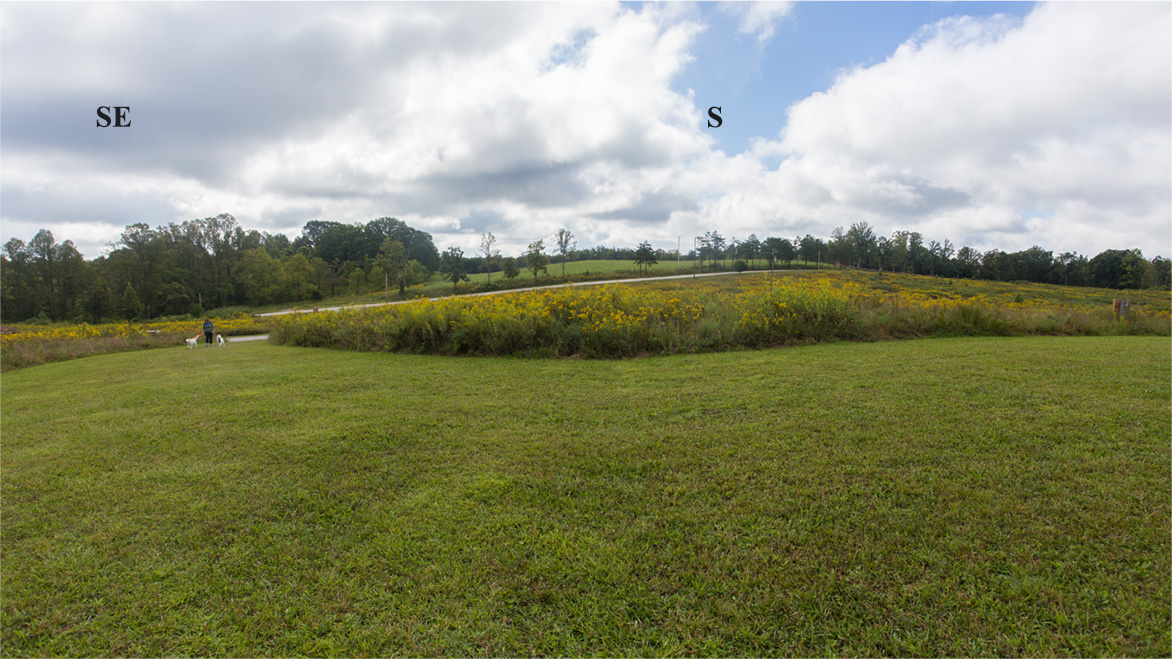
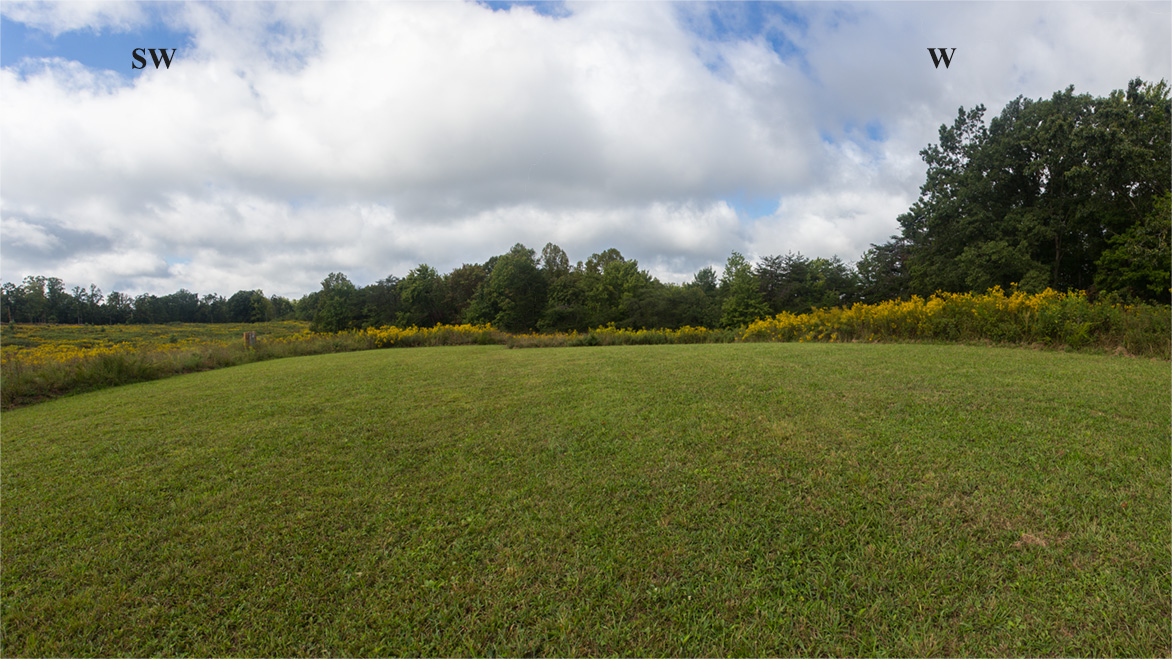
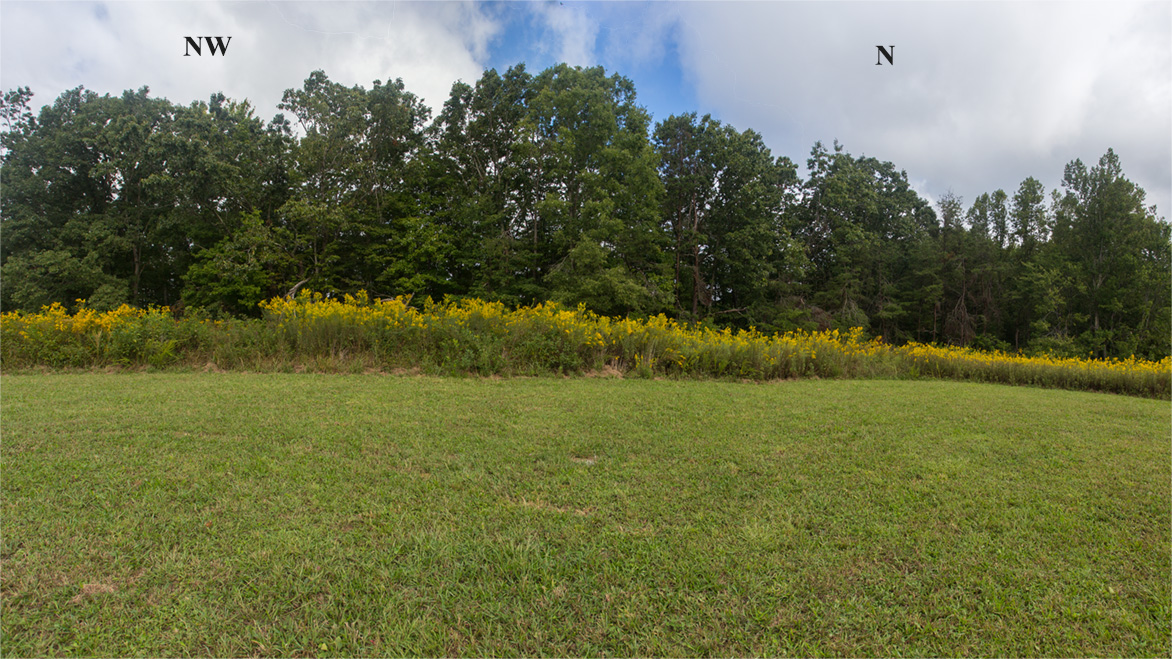
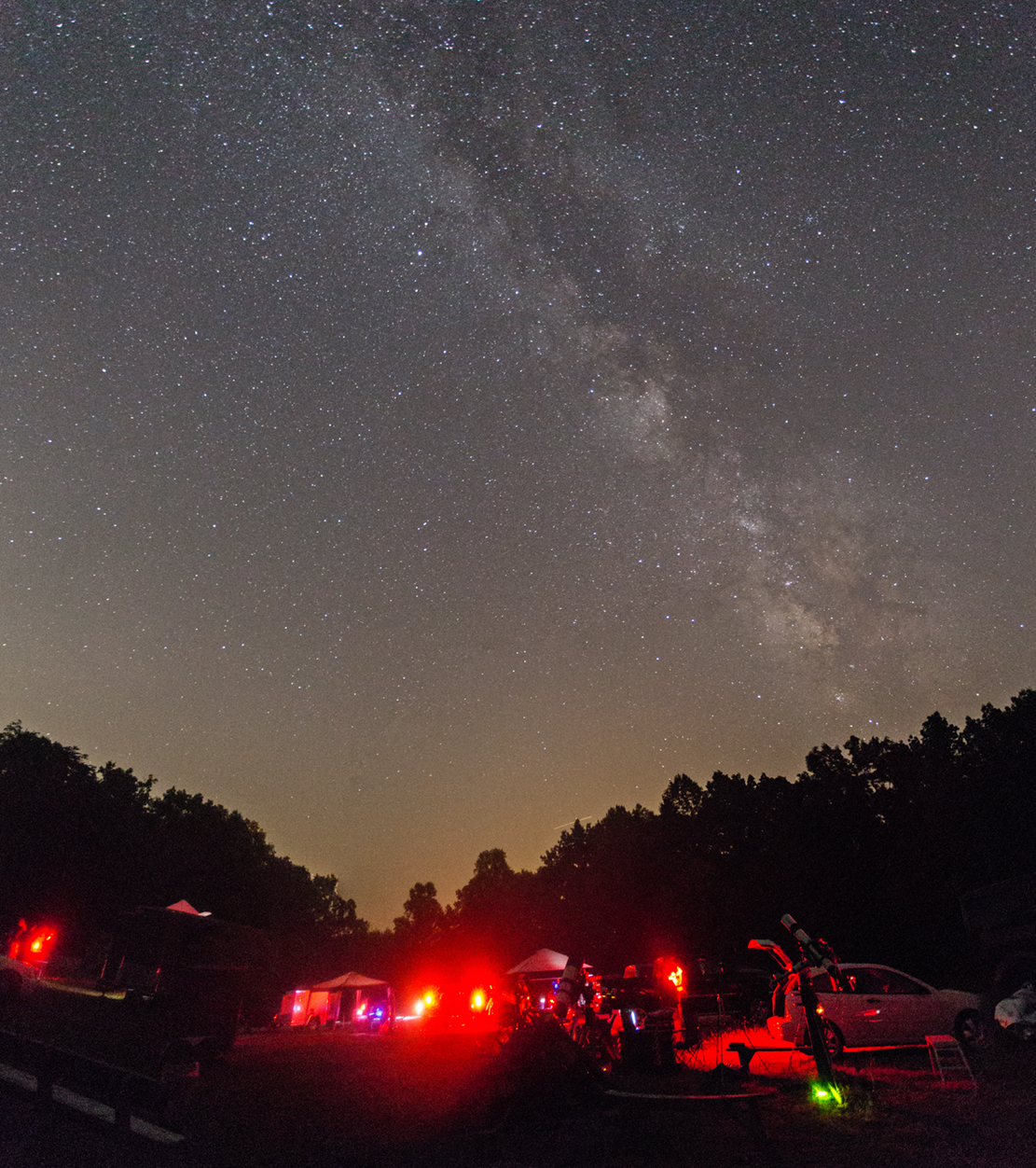
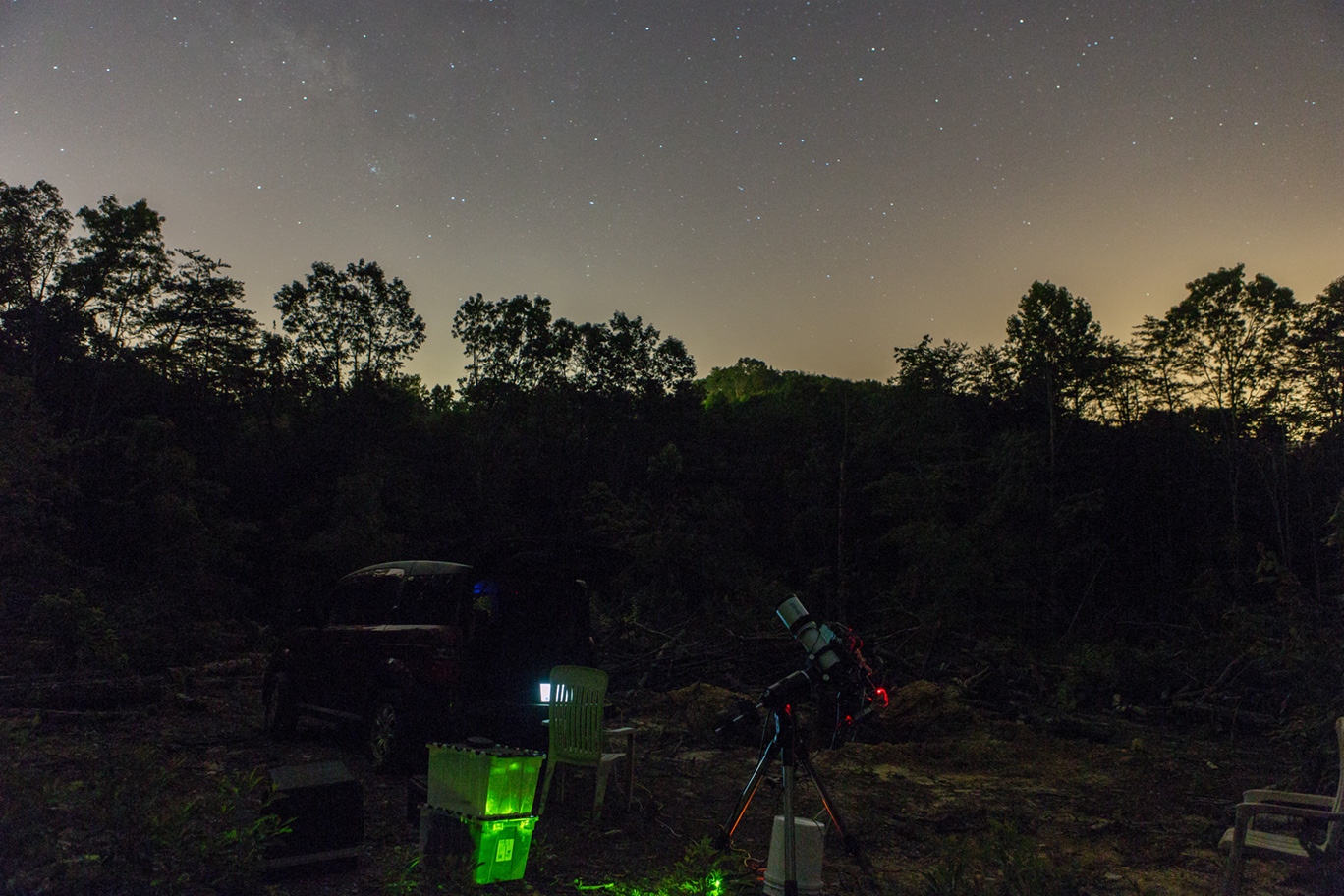
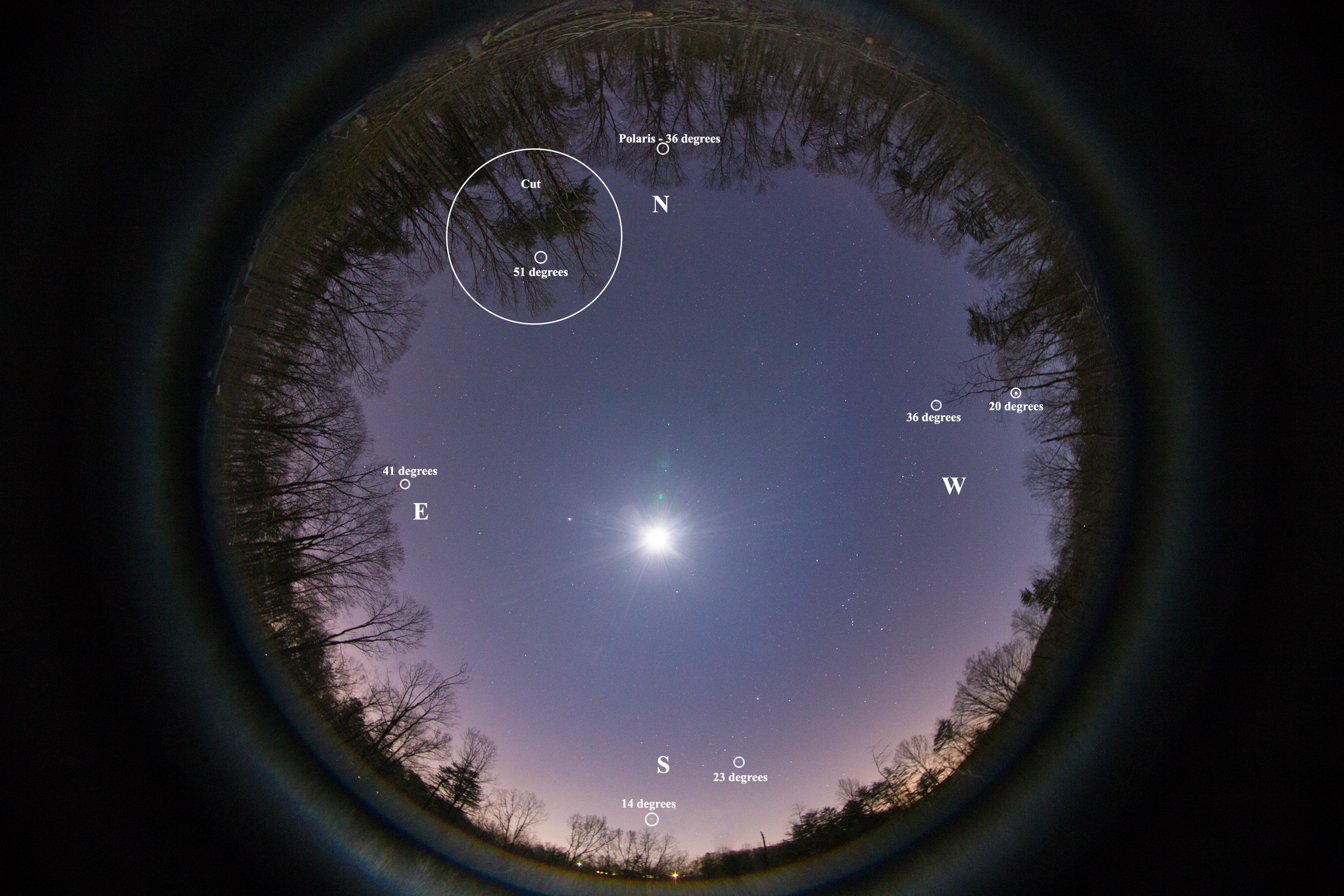
Home Observatory Site looking South.  The faint open cluster appearing on the left is M7 in Scorpius.

Future home observatory site looking south. The faint open cluster appearing on the left is M7 in Scorpius. Taken with a Canon 6D and 24-70mm f/2.8 at 24mm and f/4 for 20 sec at 1600 ISO.

 Conditions were decent up until some clouds rolled in around 3:00am.  There was a lot of lightning flashing to the north so I packed up a little early and headed back to the house.  SQM measurements started around 20.2 but improved to 20.4 with a max of 20.5 around 1:00am.

The light pollution domes seen in the image are Oak Ridge to the south west (right side) and Clinton to the east/south east (left side).

May 312015
 

Last year (2014) I was conducting some mosaic tests for future projects.  I attempted a widefield 9 panel mosaic in Cygnus and processed the hydrogen alpha data but never got around to completing the tri-color Hubble Pallet image until now due to some difficult to process issues in the O[III] and S[II] channels.  Those difficulties, combined with the fact that I only gathered about one frame of each channel per panel in the mosaic (very thin data!), meant that I wasn’t exactly thrilled to process this one to completion.  Time away from the hobby due to the out of state relocation though has made me a little anxious to get back to imaging so I decided to revisit some of this forgotten data.

Cygnus Mosaic Cropped & Reduced to 50% Size. 9 Panels, 1x20min per Ha, O[III], S[II] Channel per panel. Total Time 9 hours. Taken with an Apogee U16M and Tak FSQ-106ED.

Cygnus Mosaic Cropped & Reduced to 50% Size. 9 Panels, 1x20min per Ha, O[III], S[II] Channel per panel. Total Time 9 hours. Taken with an Apogee U16M and Tak FSQ-106ED.

Jan 252015
 
IMG_0196_ABE_Annotated

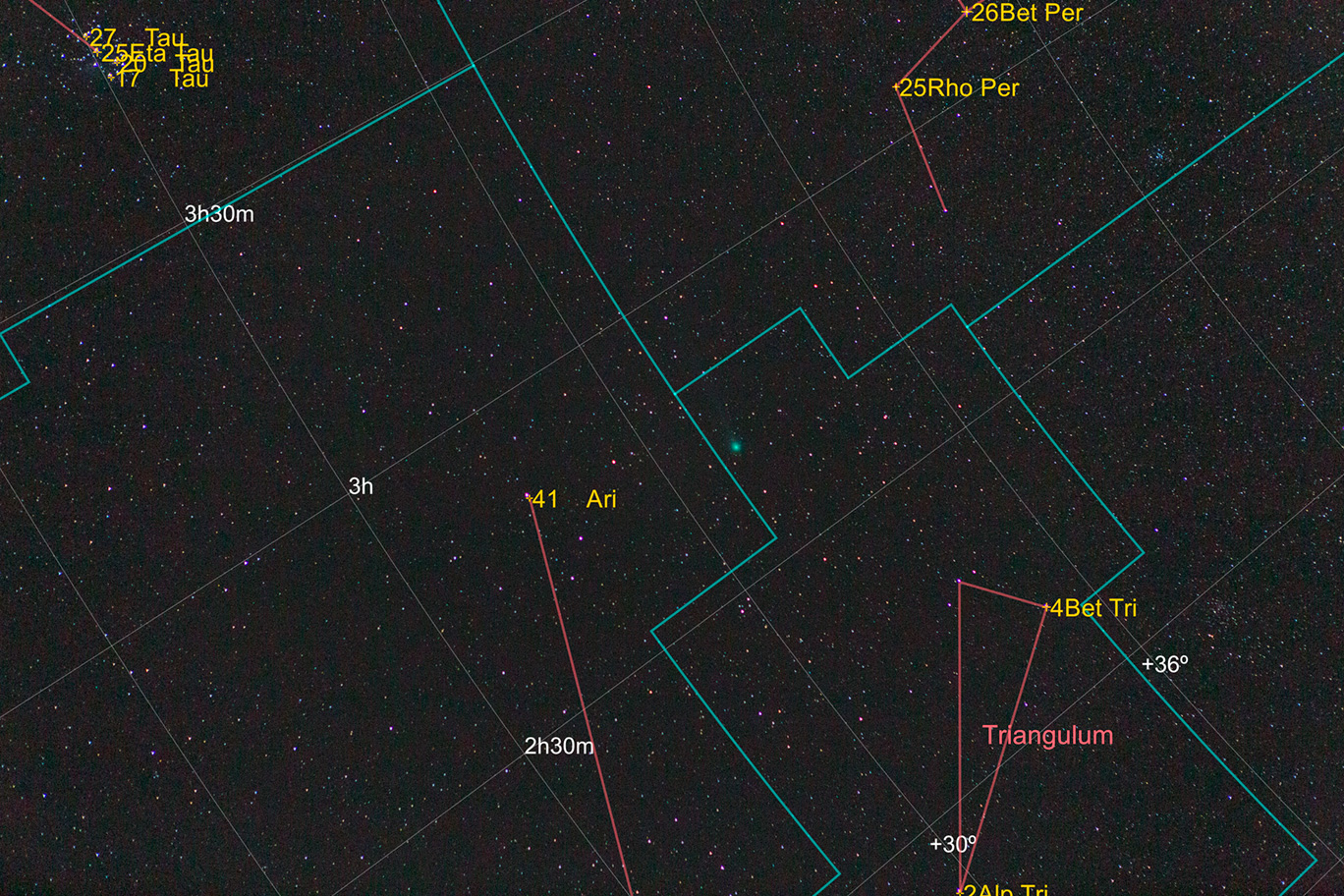
Comet Lovejoy C/2014 Q2 Annotated 1/24/2015 from Norris Lake, TN. Canon 6D, 70mm f/2.8, 6 seconds @ ISO 3200


IMG_0196_ABE

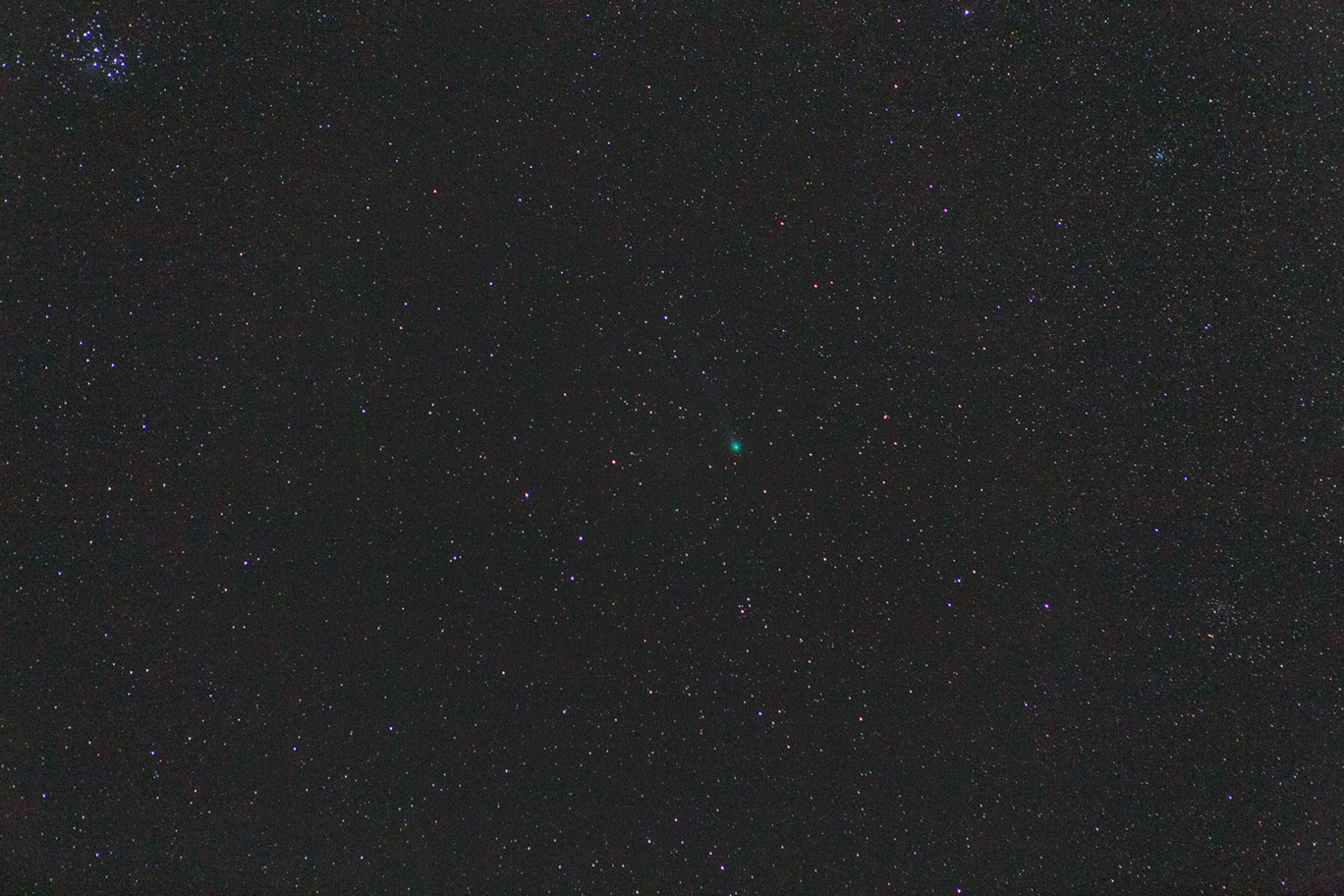
Comet Lovejoy C/2014 Q2, 1/24/2015 from Norris Lake, TN Canon 6D, 70mm f/2.8, 6 seconds @ ISO 3200


IMG_0193

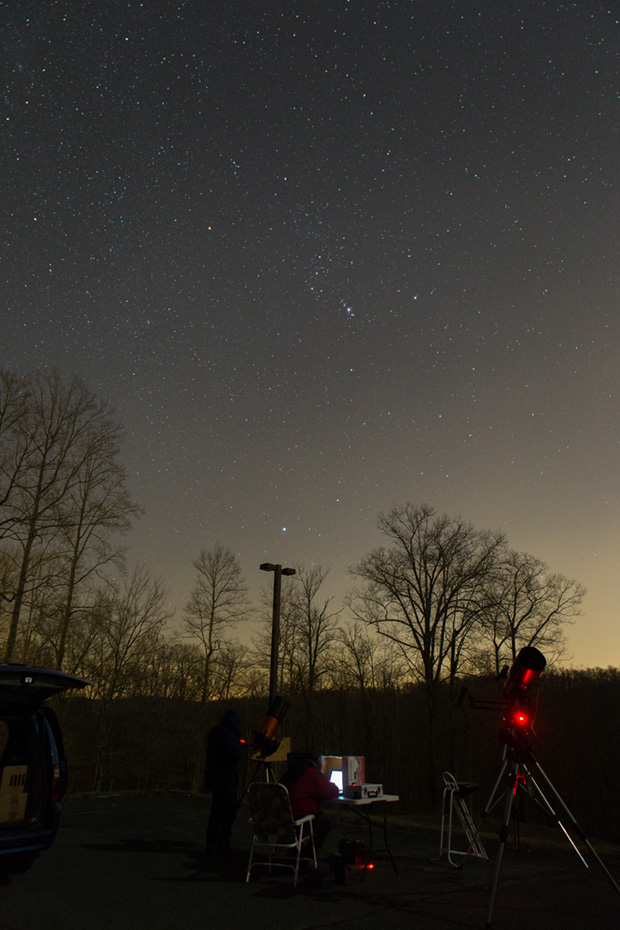
Star Party with Knox Observers, ORION, and SMAS members. 1/24/2015, from Norris Lake, TN.  Looking towards Orion rising in the East.


Jan 112015
 

I’ve temporarily pulled the portable (read small) rig out onto my back patio by the pool which has a narrow window allowing imaging of the southern sky.  Since the move to TN I haven’t had a lot of time to do any astronomical imaging but the bug to get out do some imaging finally got to me.

20150110-Rosette-Ha-6x20min

Rosette Nebula, Atlas EQ-G Mount, Stellarvue SVQ100 APO, Apogee U8300, 6x20min exposure with 3nm Astrodon Ha Filter.