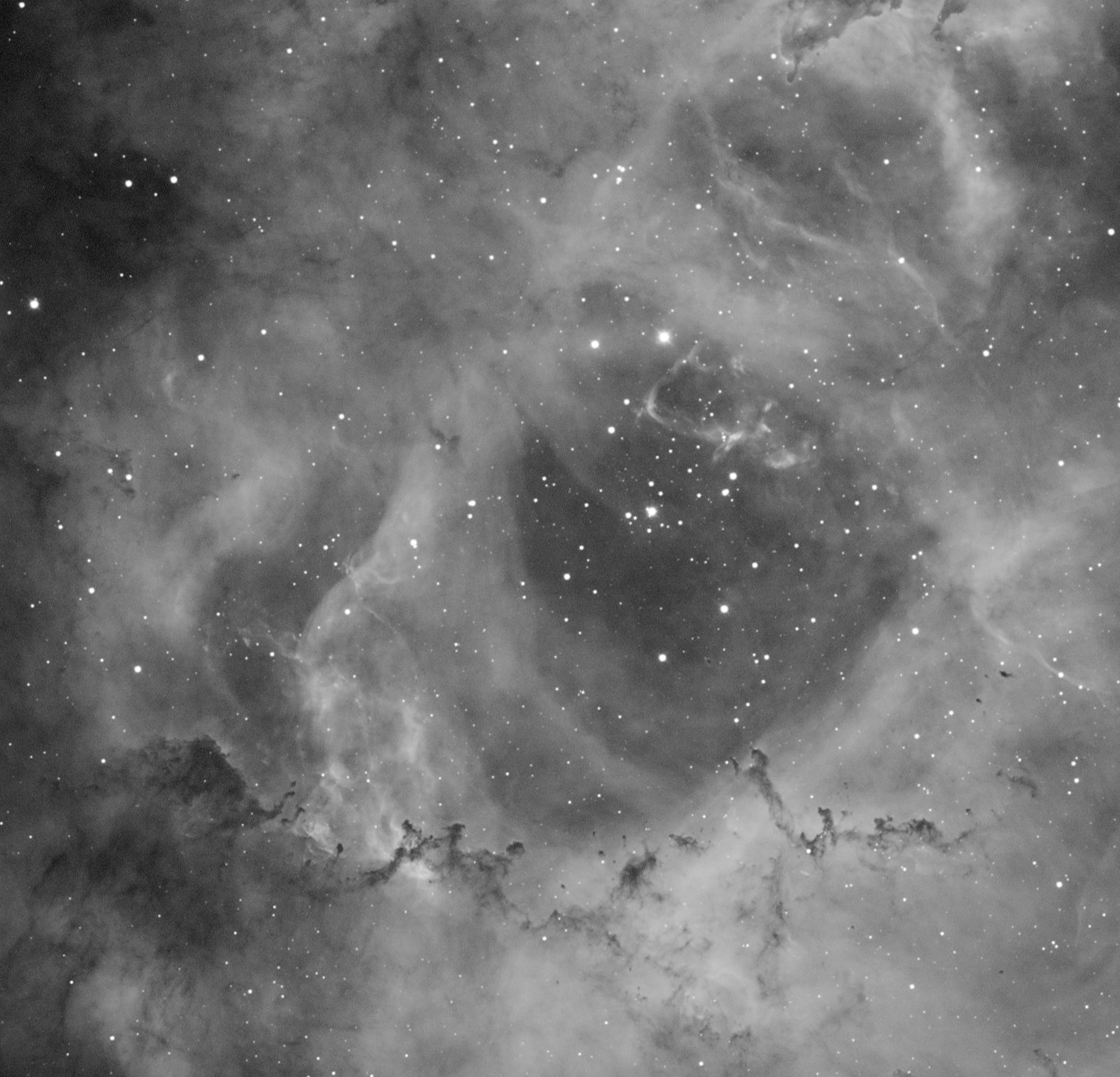
![The Rosette Nebula: Apogee U8300 CCD, Stellarvue SVQ100 APO, Atlas EQ-G, Astrodon 3nm Filters, 6x20min each Ha, O[III], S[II].](http://www.celestial-imaging.com/wp-content/uploads/2015/01/Rosette-Stack-Hubble-2.jpg)
Rosette Nebula – January 10th & January 16th 2015
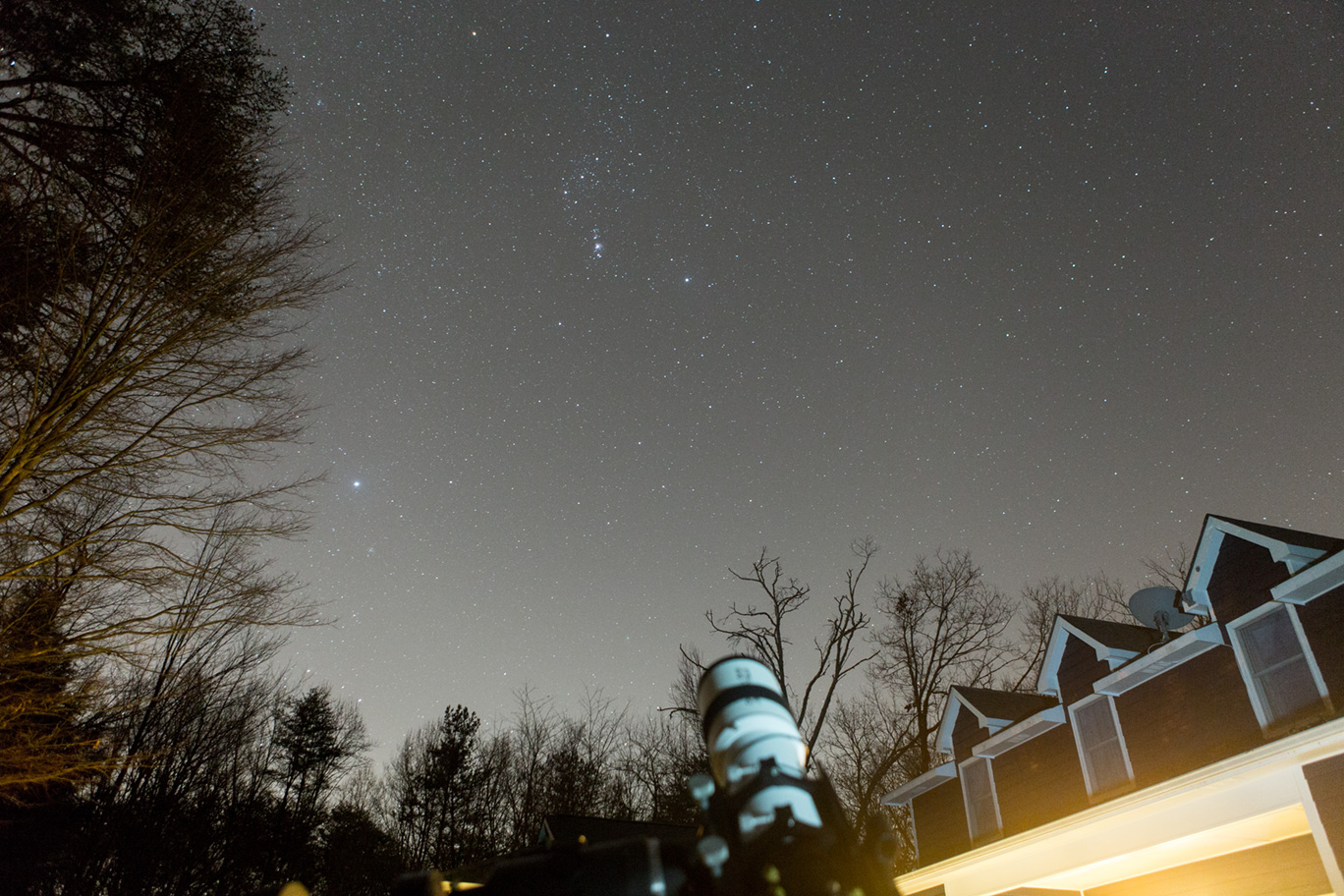
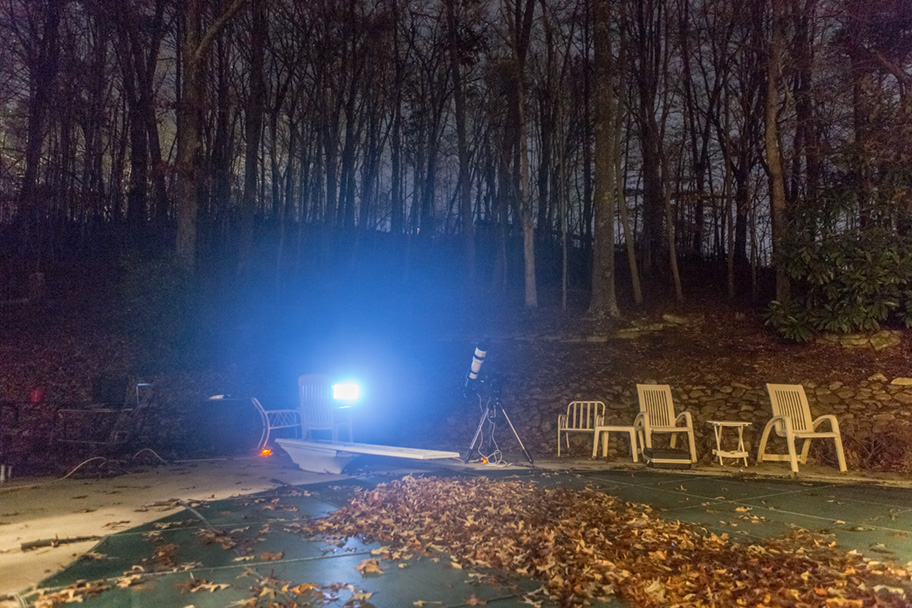
I’ve temporarily pulled the portable (read small) rig out onto my back patio by the pool which has a narrow window allowing imaging of the southern sky. Since the move to TN I haven’t had a lot of time to do any astronomical imaging but the bug to get out do some imaging finally got to me.
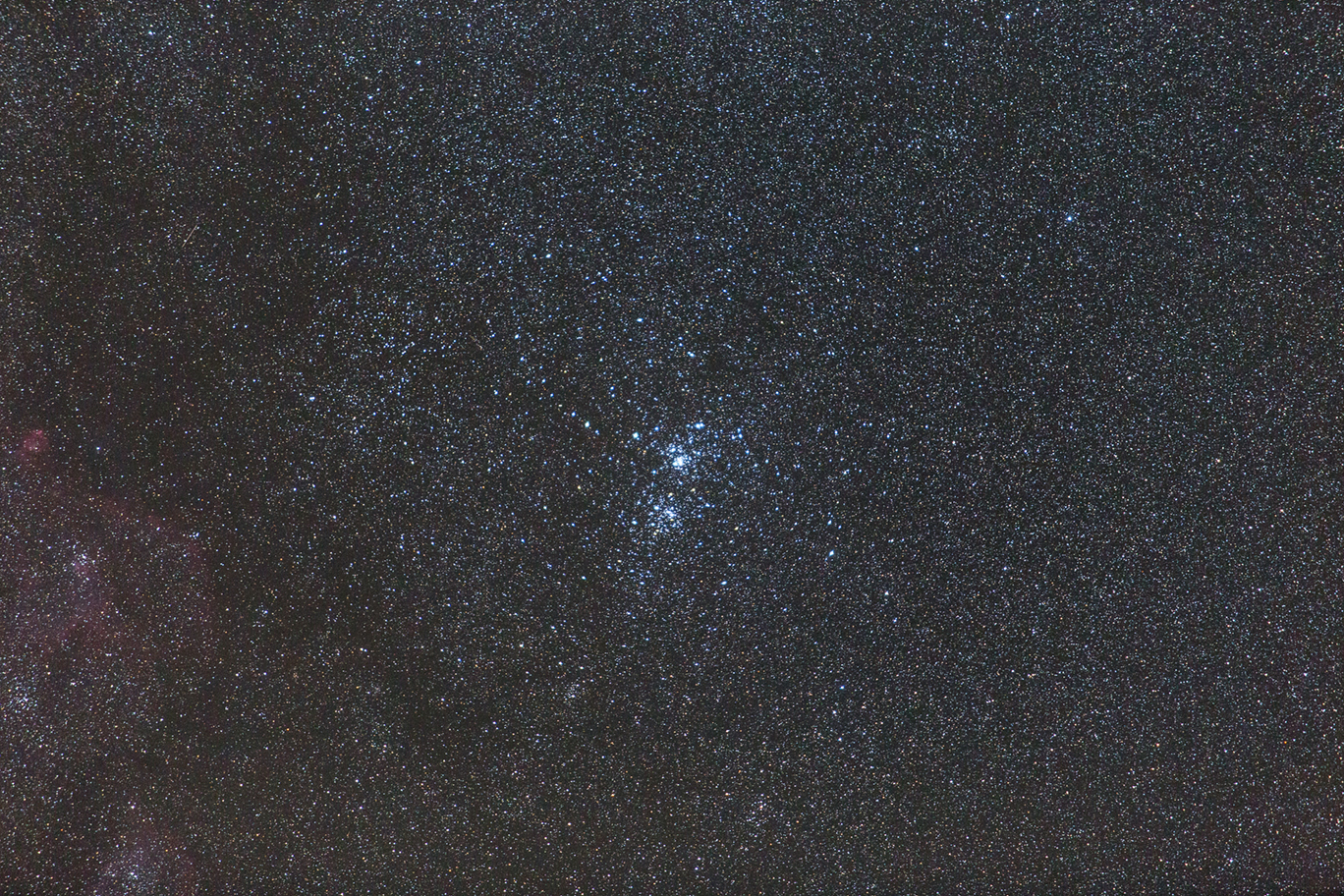
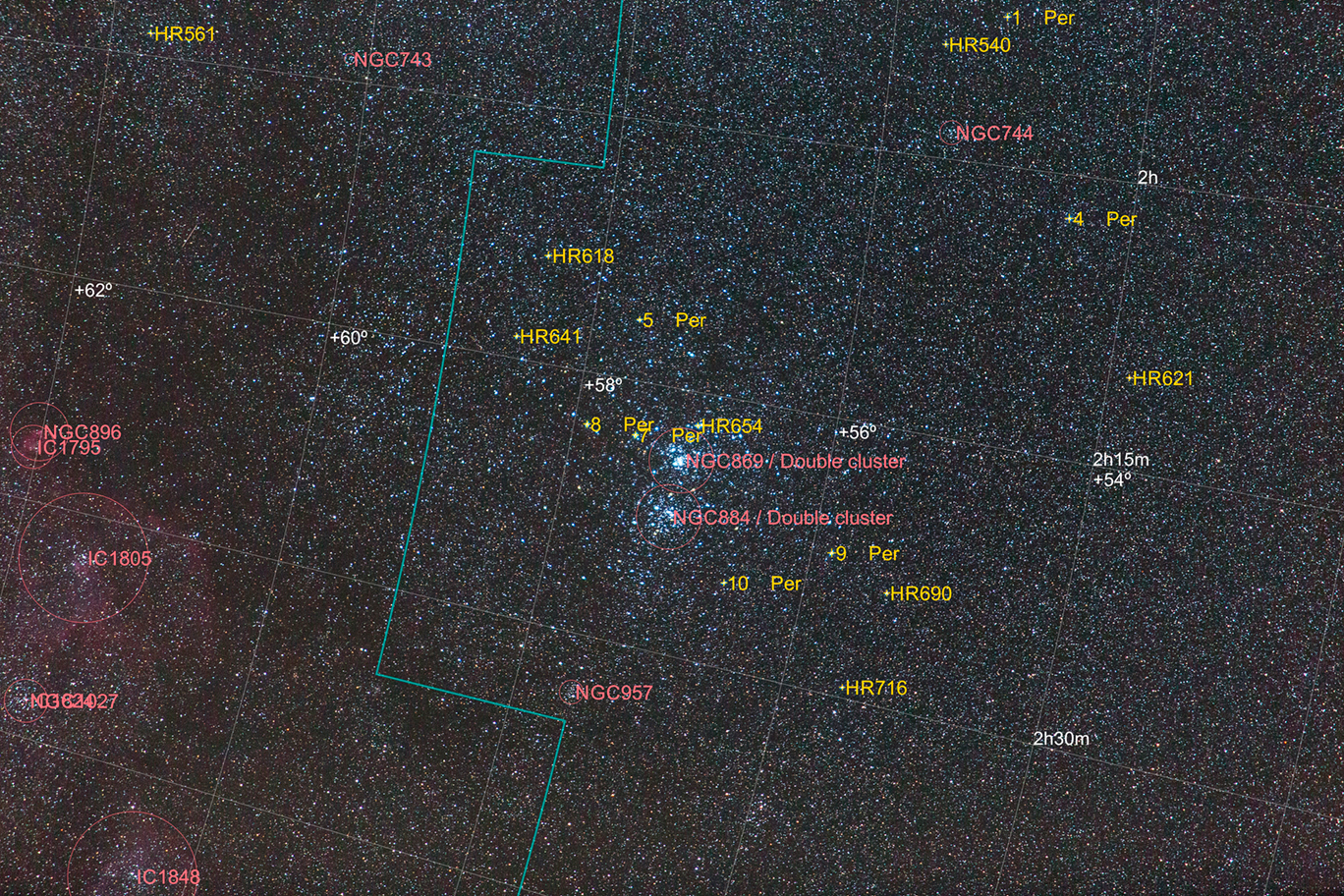
A widefield shot of the famous Double Cluster from Sept 17th 2014 at Cherry Springs State Park. The Double Cluster is in Perseus but is in close proximity to Cassiopeia.
I purchased one of the first Apogee Ascent A694 Cameras (Sony ICX694 Chip) before the acquisition by Andor and had some random horizontal banding across the top of the frame that was not possible to calibrate out:

Andor issued an RMA and took care of the costs under warranty. They stated that they repaired the camera by replacing the whole electronics board.
I was hoping to not see the random horizontal bands again but upon firing up the camera and cooling down to -15C there were still there although they are now contained in a smaller region closer to the top of the frame. It still moves around so calibration is difficult if not impossible. When using a small number of frames it is hard to statistically reject the band. You can see below in M42, reproduced at 50% size, that a bright band stands out across the top of the bias and dark calibrated image even after calibration. This is especially obvious in narrowband images where the background pixel count isn’t much higher than the bias floor. The band is also visible across the bottom of the Horse Head shot (I flipped the image) although it doesn’t stand out quite as much.
For a low bias noise camera geared towards narrowband imaging that I plan to use for portable imaging (lower frame count) I don’t think that my options are too great:
I am also including 100% size images of the bias, master bias, dark, and master darks used to calibration the two trial images.
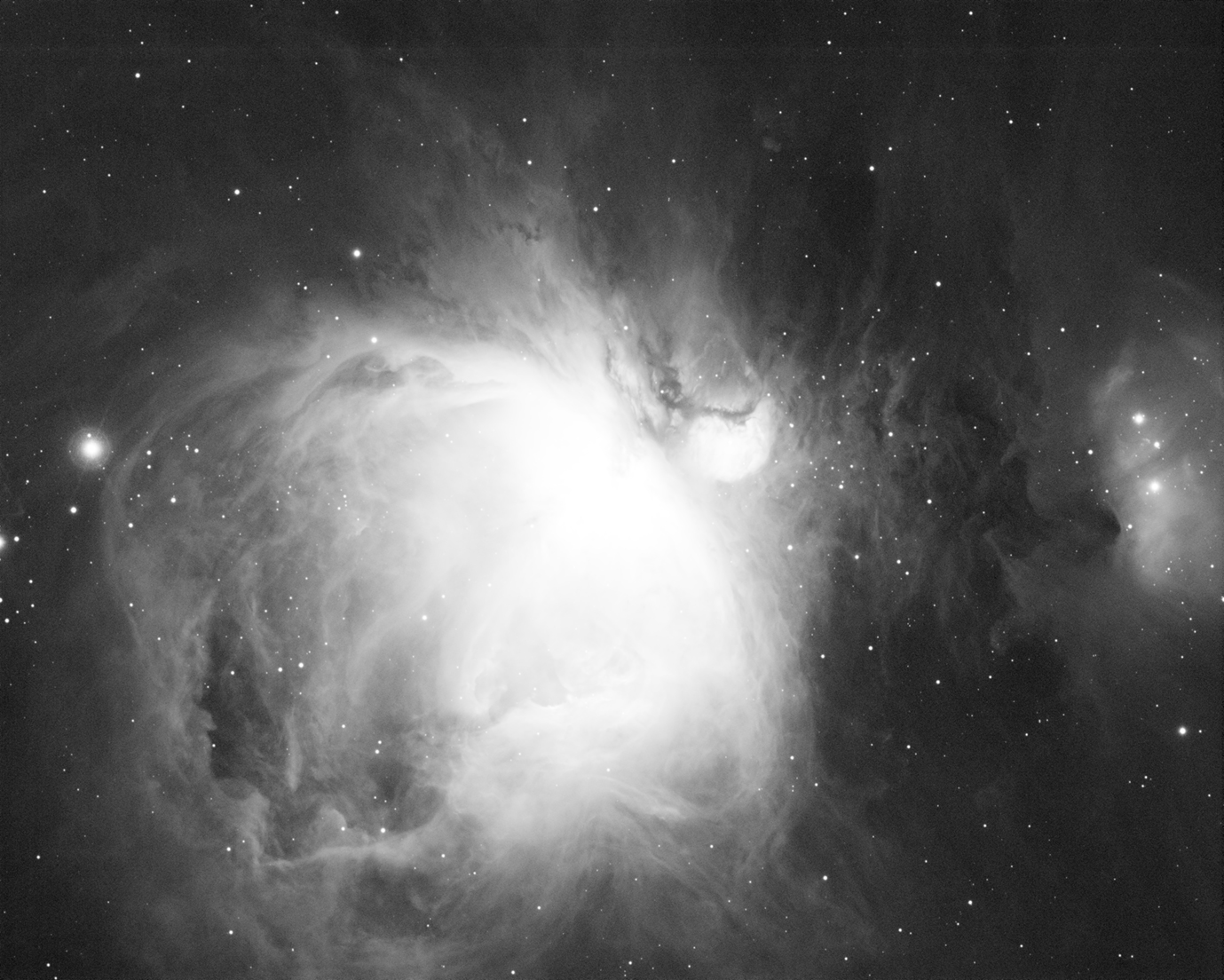
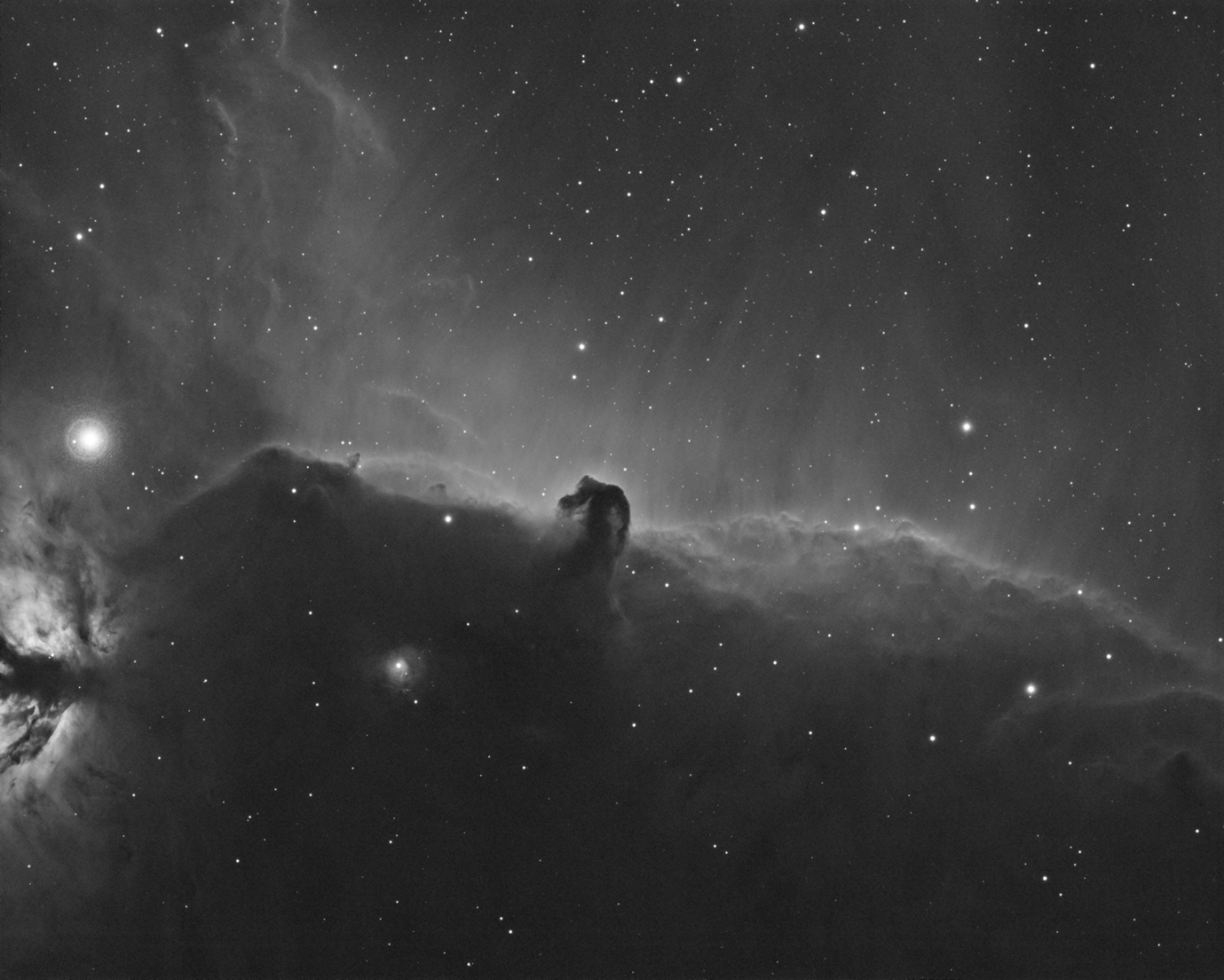




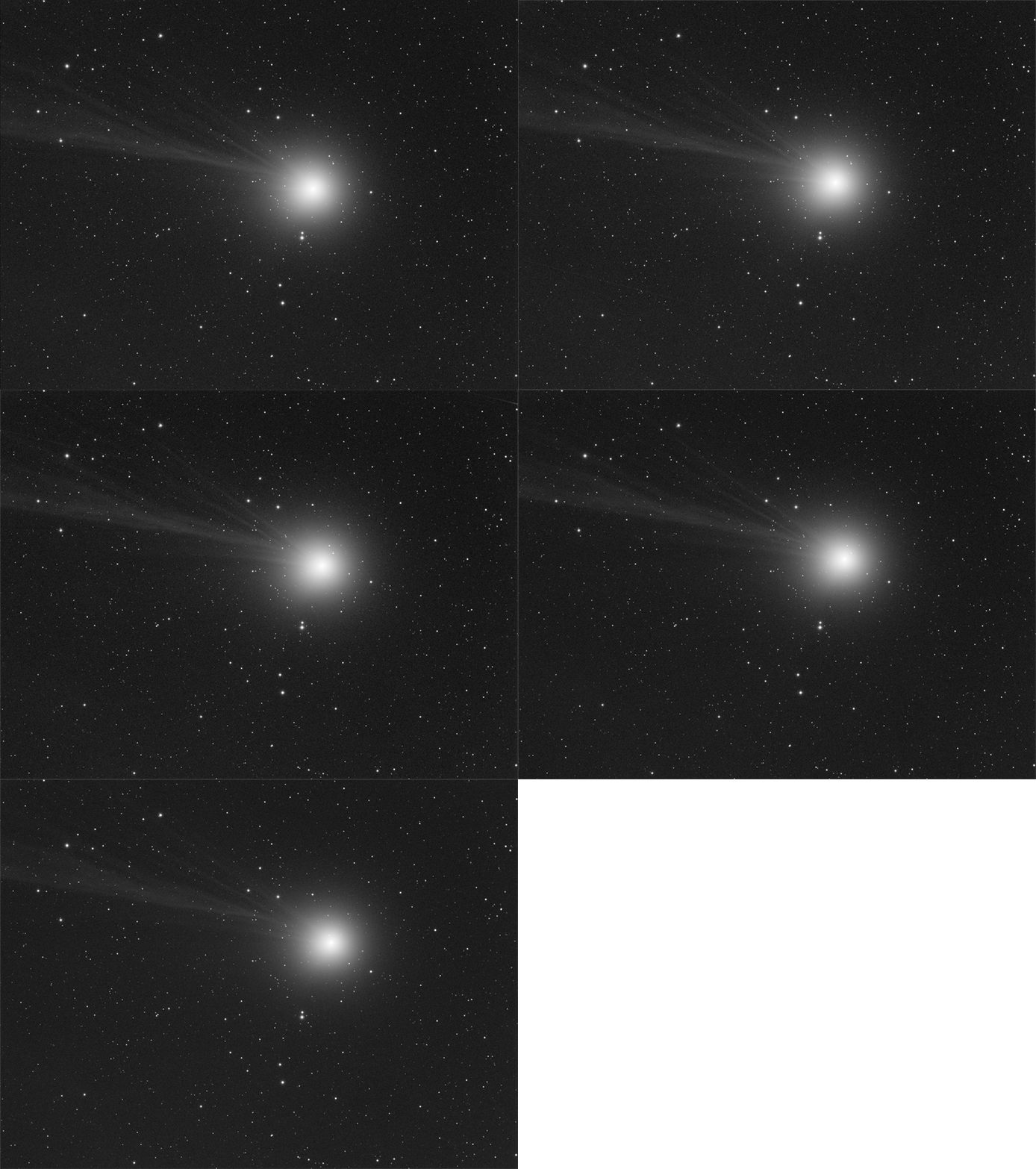
Here is what several bias frames look like animated to give you an idea how the horizontal banding moves around and therefore is not well calibrated:

This is certainly better than what it was before but I am still left with these bands appearing faintly in my images.
All images were captured with the CCD cooled to -15C. They were captured with MaximDL 5 and calibrated / processed in Pixinsight.
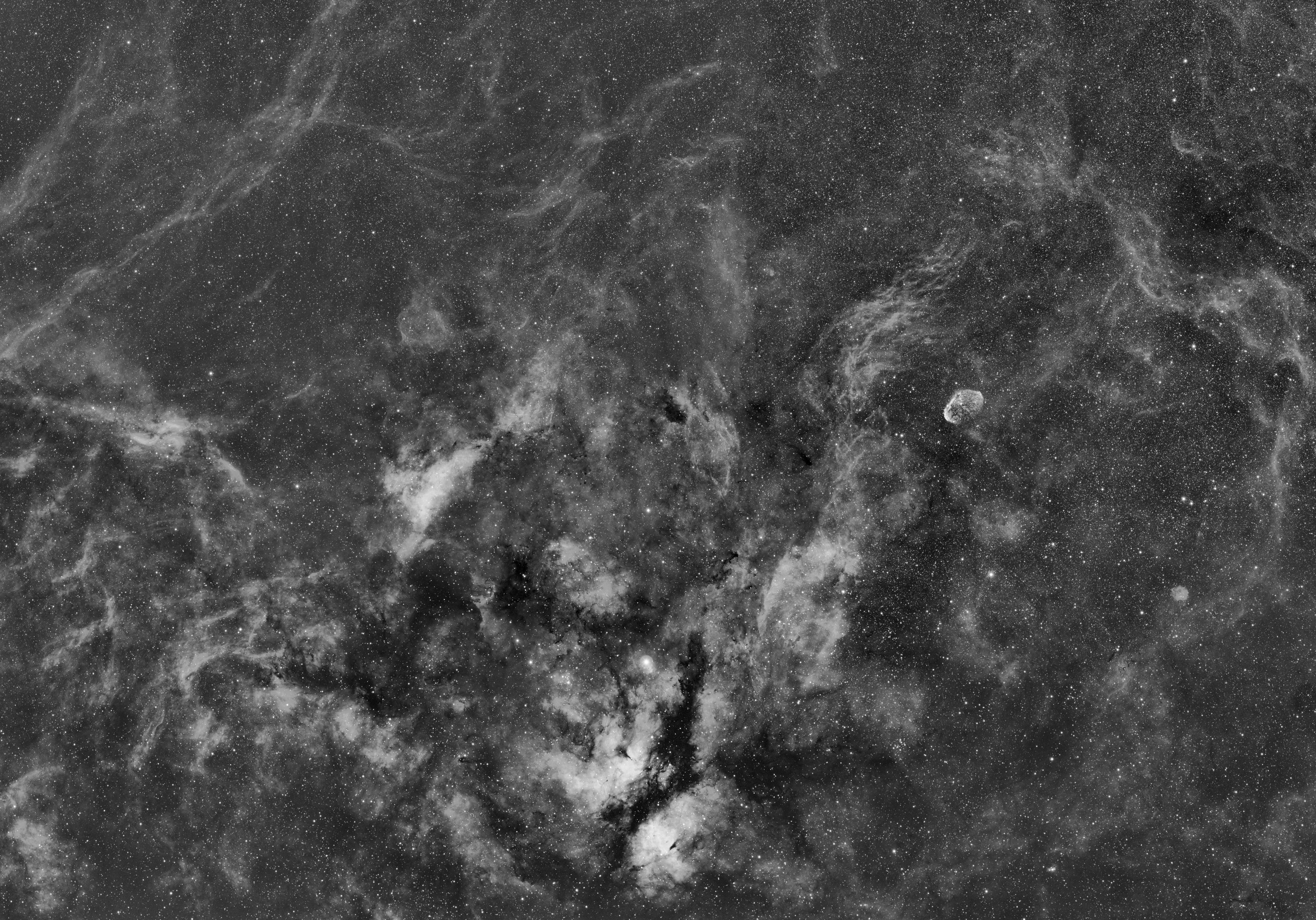
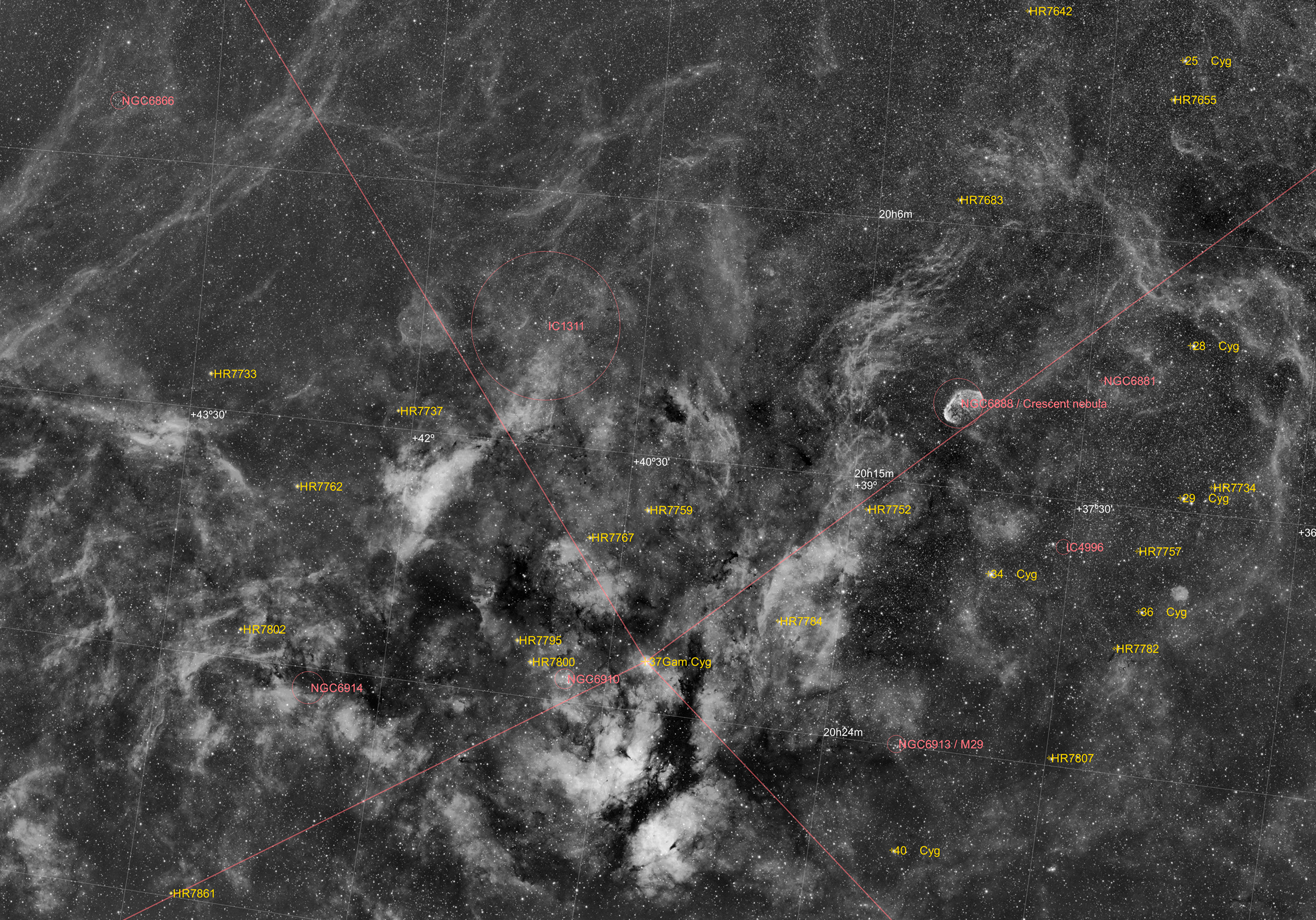
I began work on a tri-color Hubble Pallet image during the summer of 2014 but due to weather and other obligations did not capture much in the way of Oxygen [O III] and Sulfur [S II] emission data for the mosaic project so am leaving it as a monochrome image using only the Hydrogen Alpha emission line data.
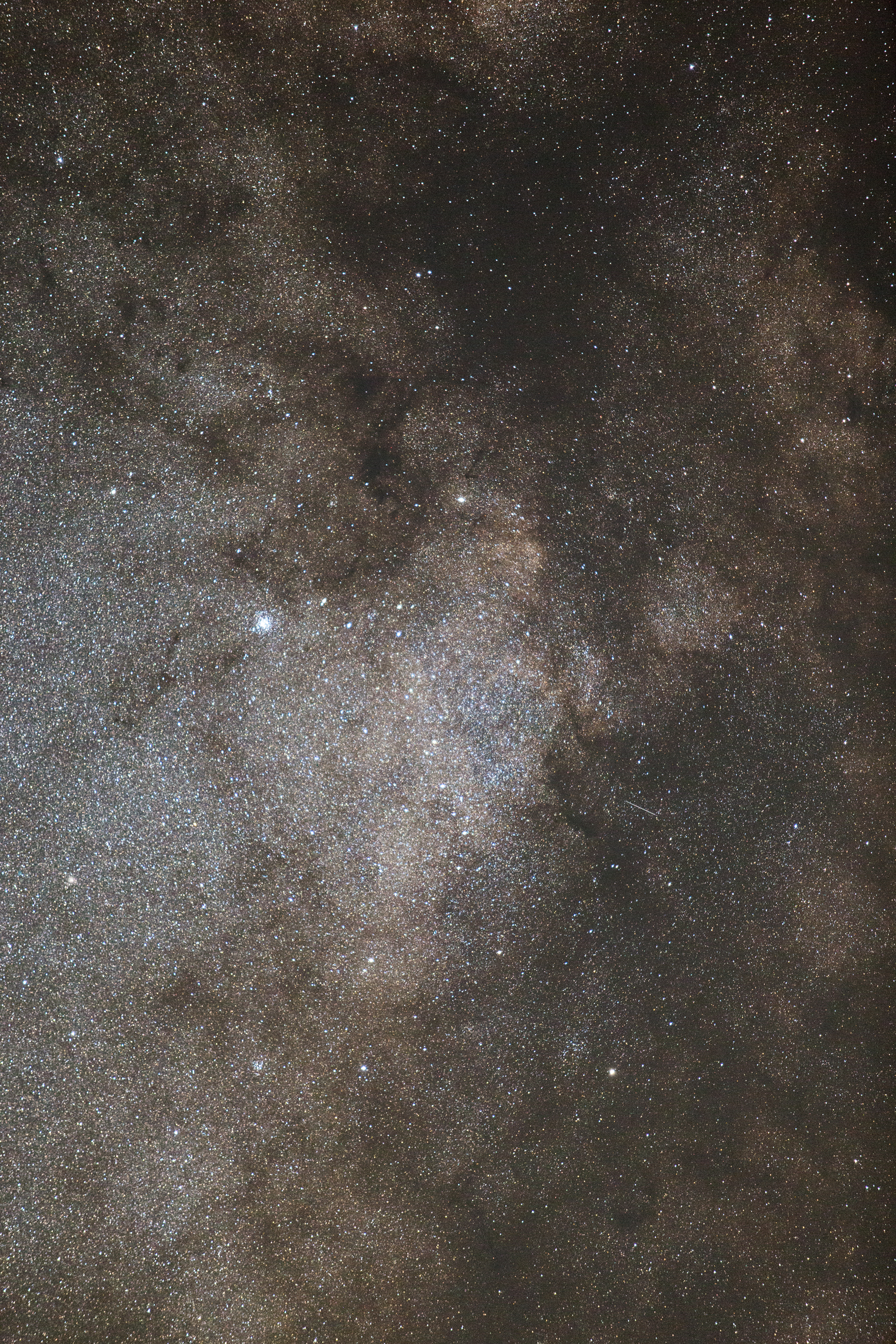
The Scutum Star Cloud taken under the dark skies of Cherry Springs State Park on 17-Sept-2014.
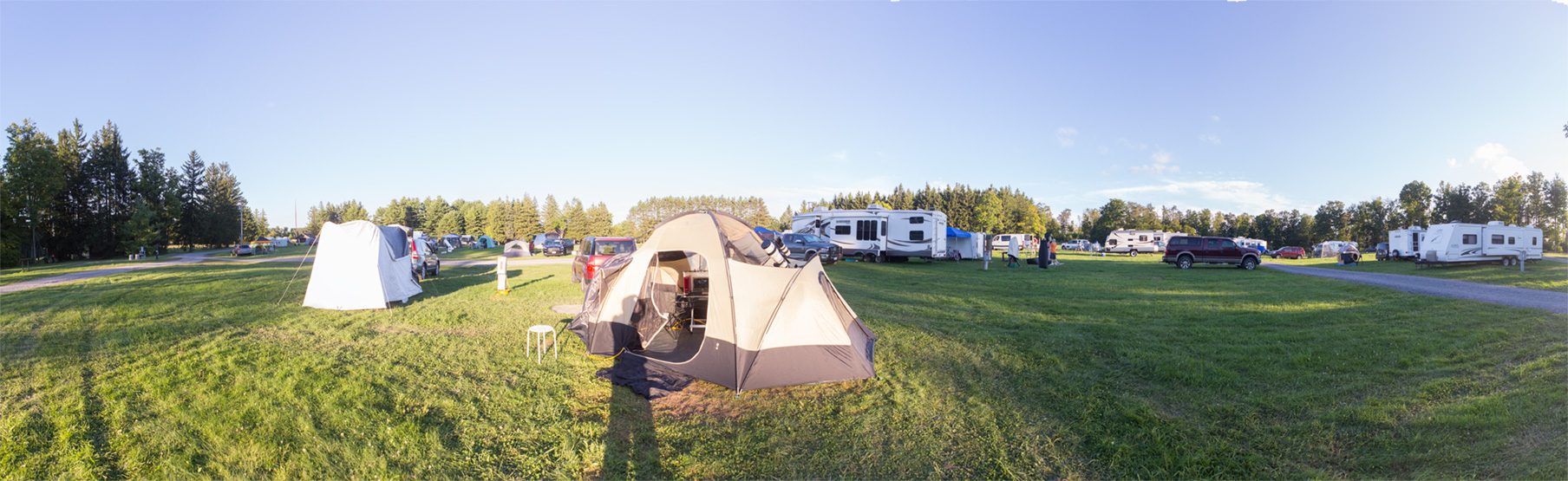

Monday night was my first visit to a dark site; or at least my first visit since catching the astronomy bug. Upon arriving at Cherry Springs after the 4 hour drive I noticed there were quite a few people still hanging around after the Black Forest Star Party which was held over the weekend. According to some of the other amateur astronomers, the weekend star party was a bust.
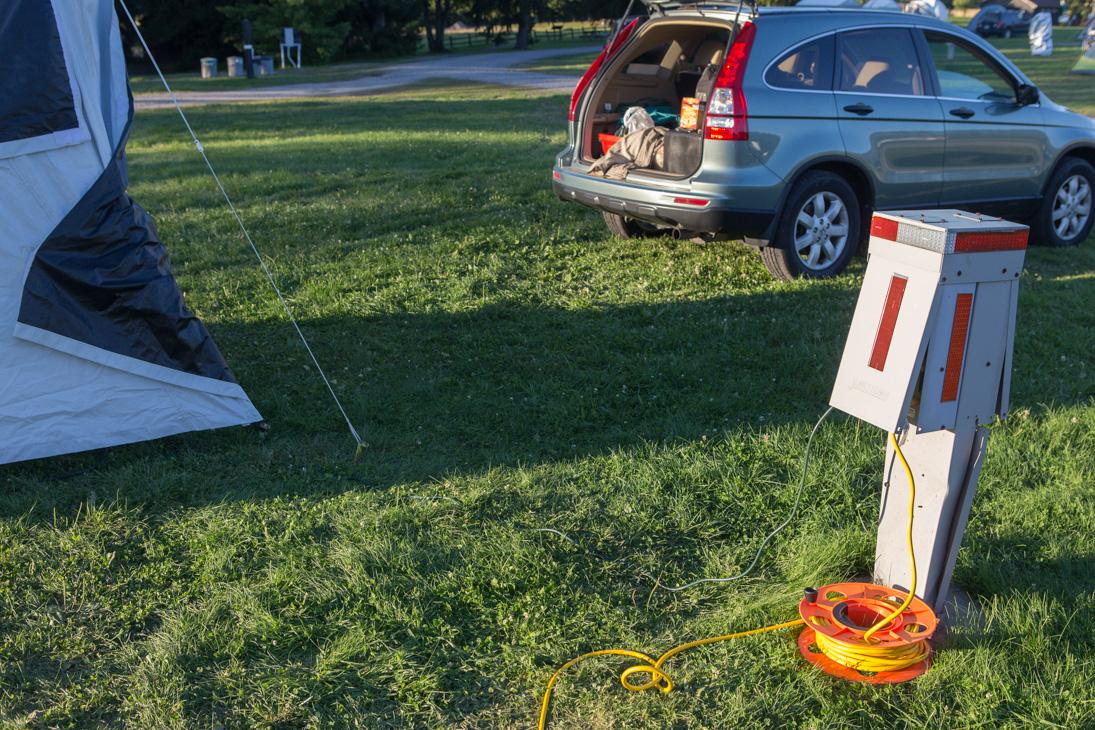
We found a vacant spot to setup our tents right next to one of the RV style power outlet posts scattered throughout the observing fields. I can’t stress how wonderful it is to have power provided on the field for the astrophotographically inclined!
The grounds were well kept and the main bathrooms much nicer than expected. The surrounding area is gorgeous for anyone who enjoys the outdoors.
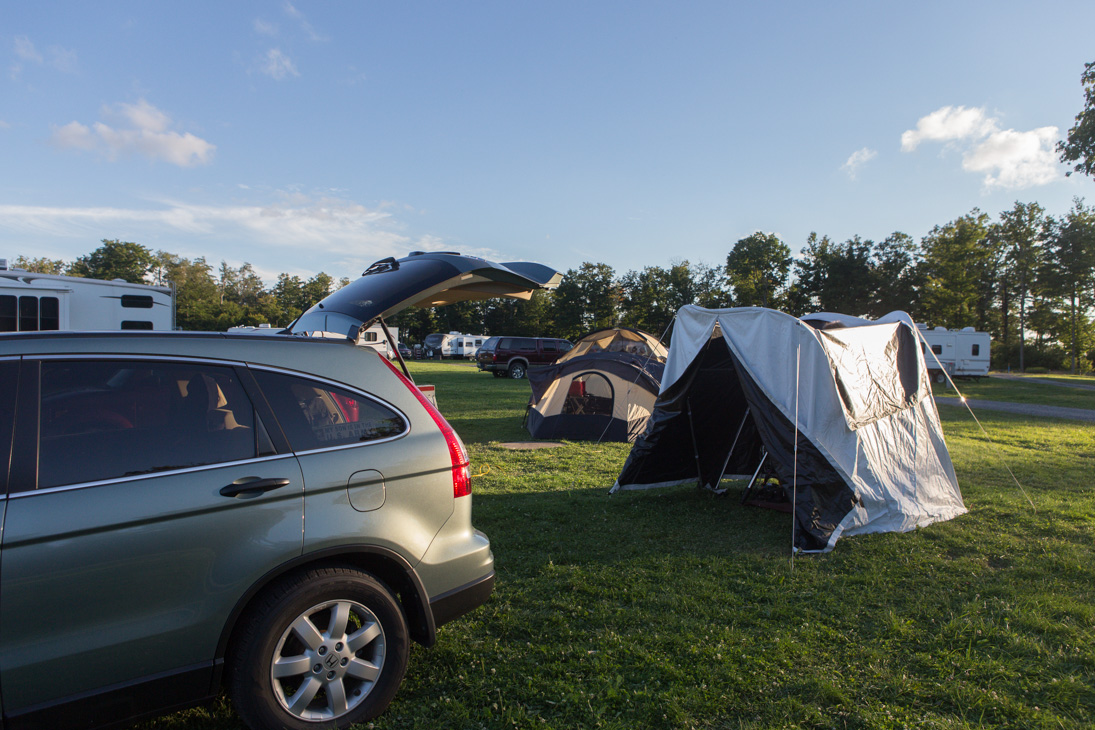
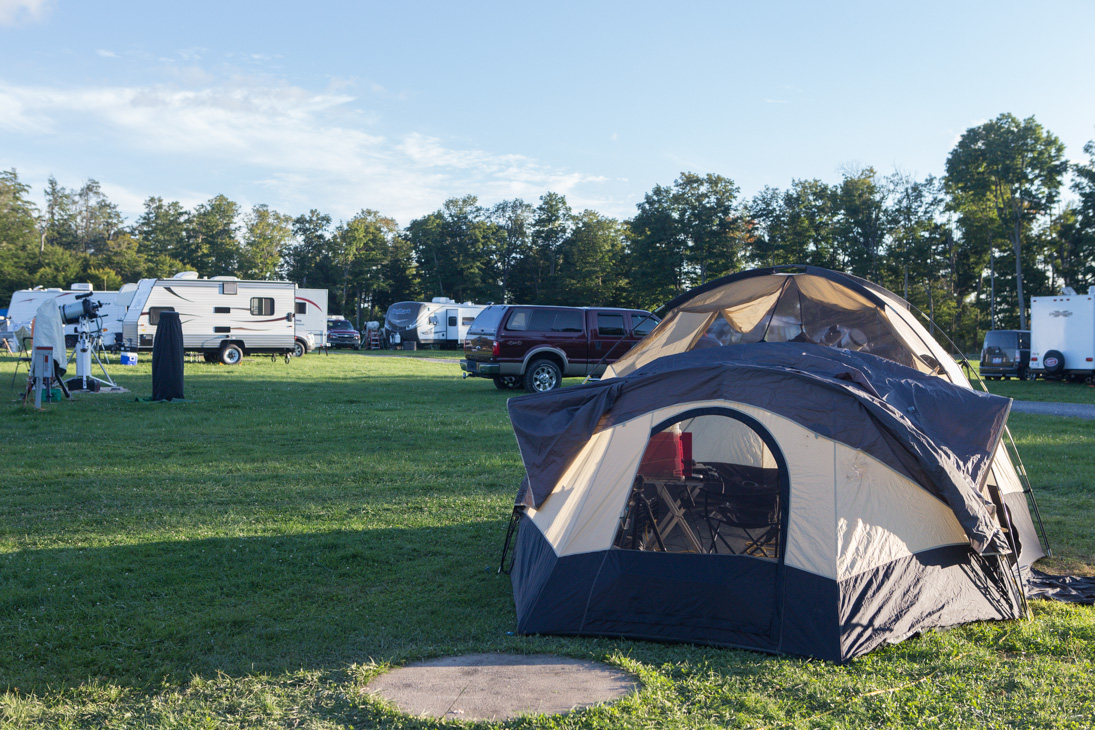
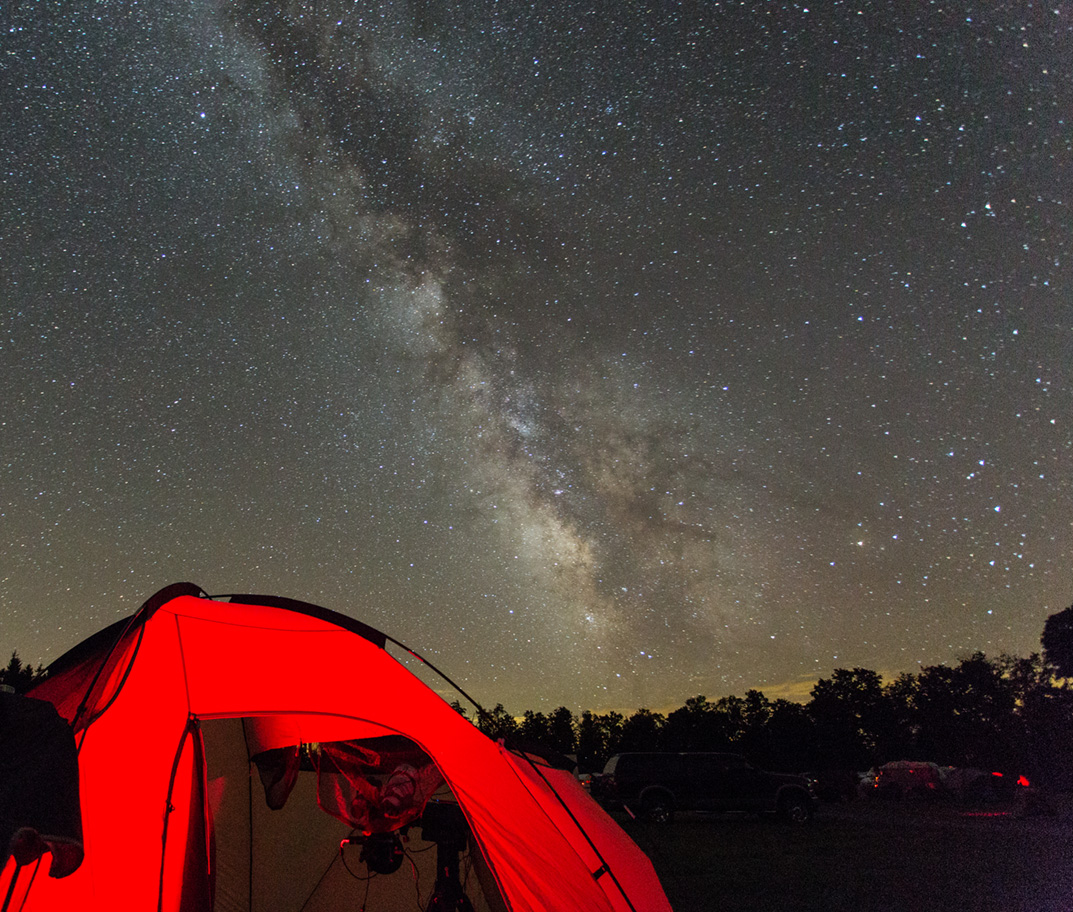
As nice as the park was, the show obviously didn’t start until the sun went down. The Milky Way was more prominent before astronomical twilight than I’m used to seeing here in the PGH region after astronomical twilight; even at the Greene County site. By 10:00pm it was gorgeous and I snapped a quick 3o second shot on a tripod and marveled that the dark lanes extending out from the Rho Ophiuchi / Antares region were clearly visible in a short exposure so close to the horizon.
Seeing the sky like this puts everything in a different perspective.
Yes, it’s depressing being back in light polluted Pittsburgh but I’m really glad I finally made it out to Cherry Springs after all this time.
I had plans to shoot some other objects but due to poor planning and setup of my tent I couldn’t take some of the deep southern objects I was hoping for. I settled for 5.5 hours of exposure time on NGC 7023: The Iris Nebula. I have shot the Iris before but was never totally happy. I’m still not quite satisfied but it’s certainly better than what I’ve gotten around here.


The Iris Nebula, also NGC 7023 and Caldwell 4, is a bright reflection nebula and Caldwell object in the constellation Cepheus. NGC 7023 is actually the cluster within the nebula, LBN 487, and the nebula is lit by a magnitude +7 star, SAO 19158.[1] It shines at magnitude +6.8. It is located near the Mira-type variable star T Cephei, and near the bright magnitude +3.23 variable star Beta Cephei (Alphirk). It lies 1,300 light-years away and is six light-years across.[2]
Courtesy of Wikipedia.
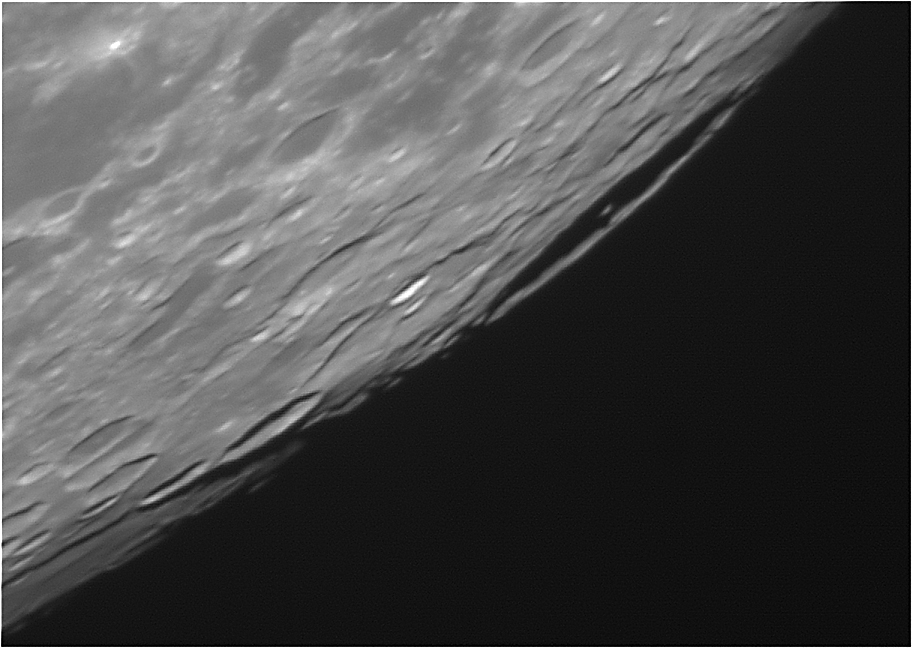
8/10/2014 – During a full moon night at Wagman Observatory I decided to play with the Brashear Refractor and determine requirements for extension tubes and other adapters to reach focus with a small chip high speed, webcam like, imaging camera for lunar and planetary imaging. As luck would have it, very little was needed outside of the ordinary adapters, focus was easy to reach, and the Brashear performed well considering the lousy seeing and the “flatness” or lack of contrast we normally have during a full moon. Hunting around on the eastern limb of the moon took us to Crater Neper whose central peak just catches the light and whose shadow can be seen against the rear crater wall.
Another decent night at the AAAP Greene County Dark Sky Site.
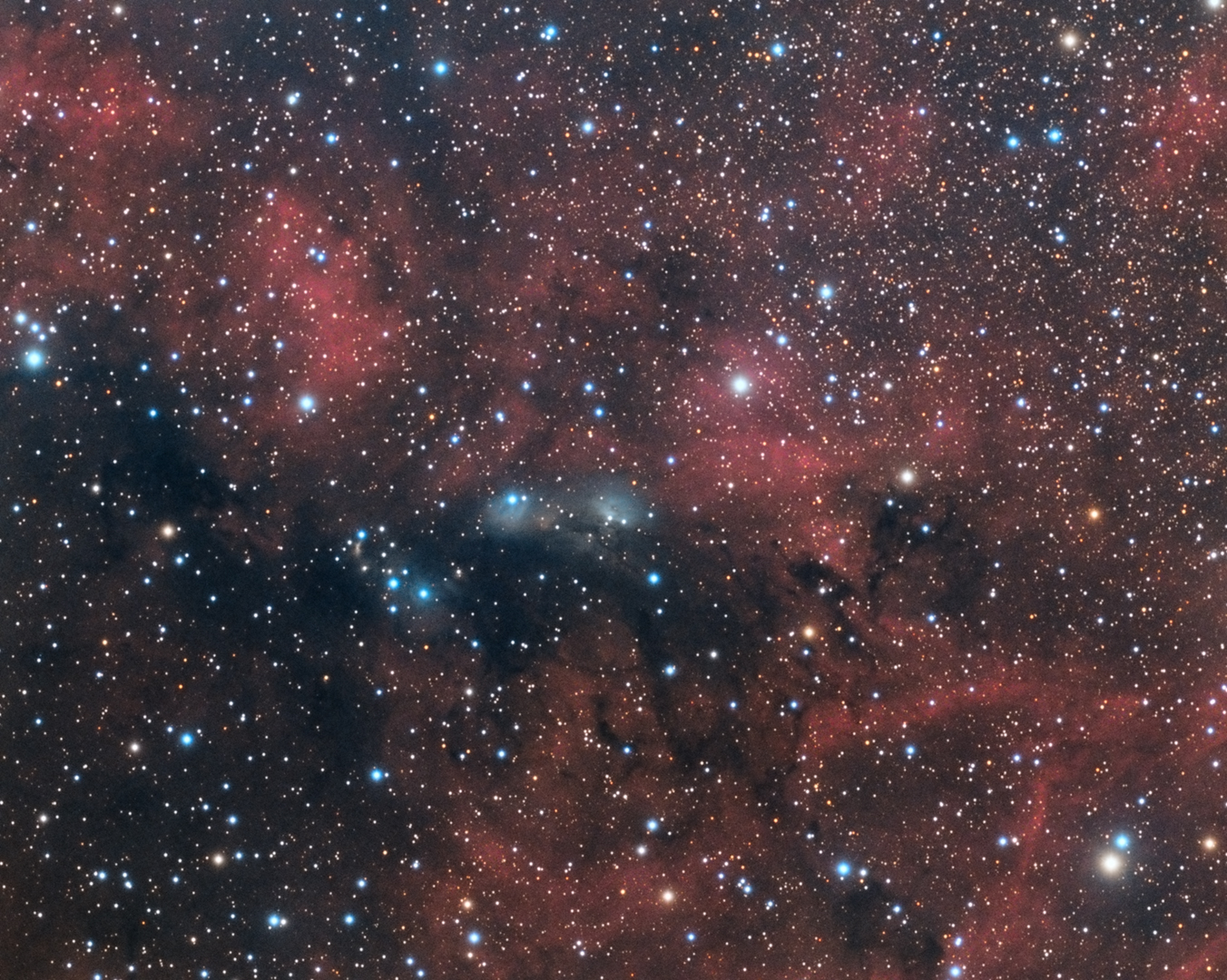
NGC 6914 is a reflection nebula nestled amongst the diffuse emission nebula in Cygnus.
Playing around with an 8mm circular fisheye lens as well for an all sky timelapse.
[youtube:http://youtu.be/l92QPyDS_GQ]