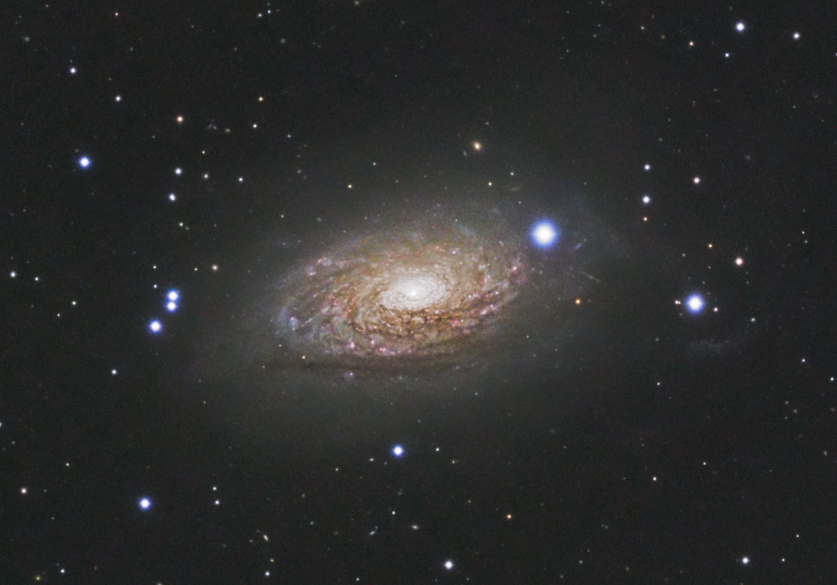
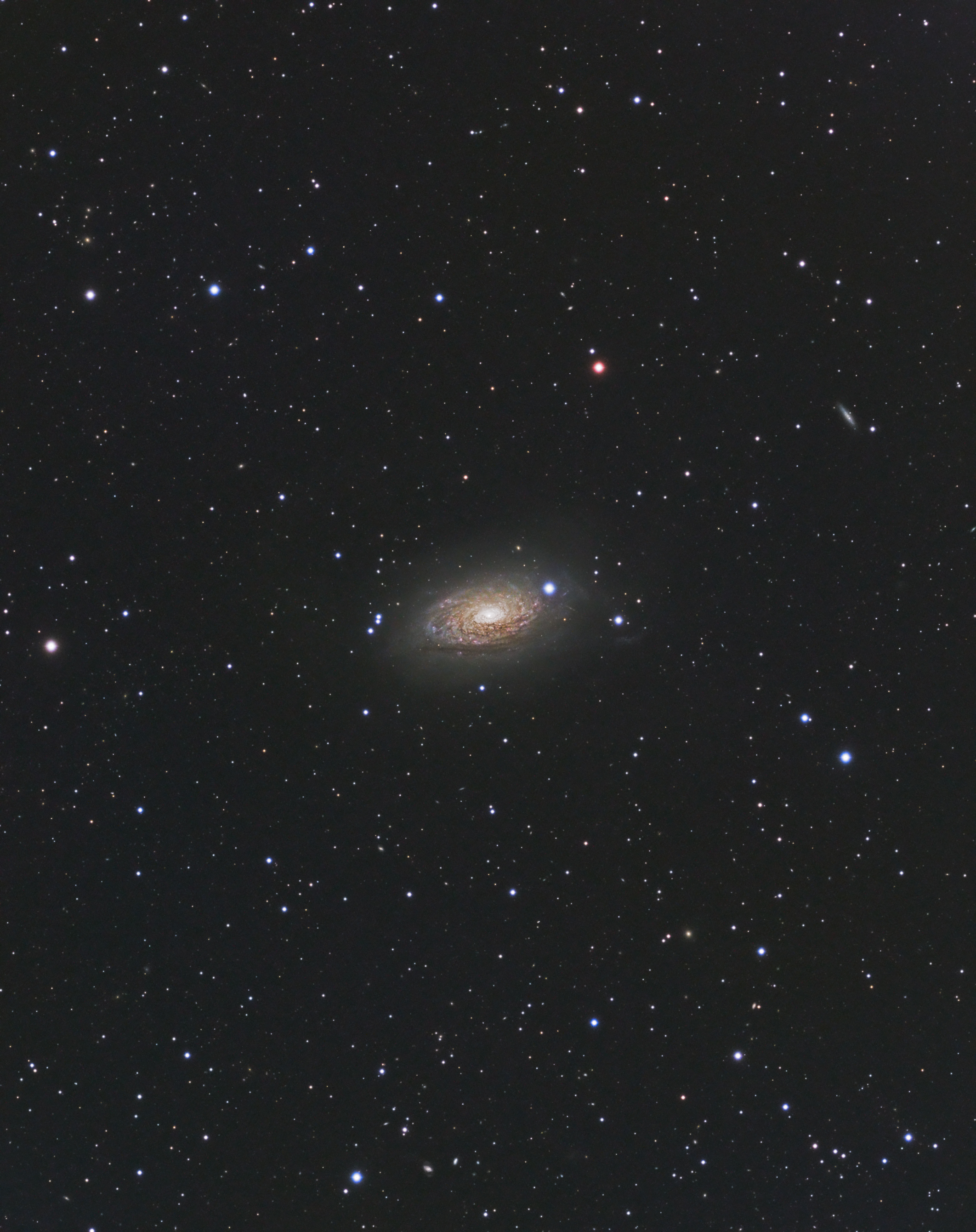
Galaxy M63 – Close UpM63 – AP900GTO, Stellarvue SVQ-100, Apogee Ascent A694, Baader LRGB Filters, 4.5 Hour Total Exposure Time.
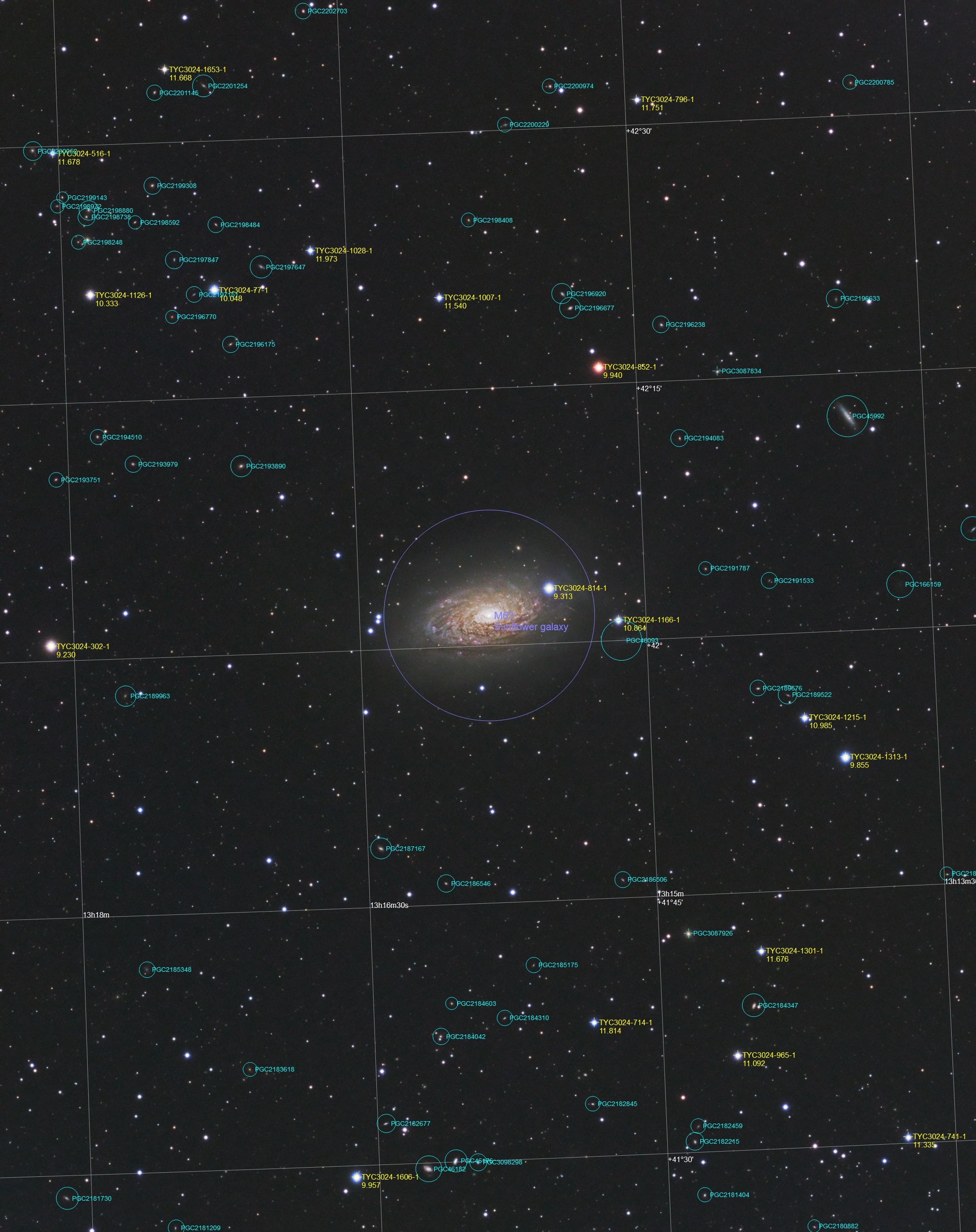
M63 – Annotated
Messier 63 (also known as M63, NGC 5055, or the Sunflower Galaxy) is a spiral galaxy in the constellationCanes Venatici consisting of a central disc surrounded by many short spiral arm segments. M63 is part of the M51 Group, a group of galaxies that also includes M51 (the ‘Whirlpool Galaxy’). M63 is an active galaxy with a LINER nucleus.[3]
In the mid-19th century, Lord Rosse identified spiral structures within the galaxy, making this one of the first galaxies in which such structure was identified.[4]
In 1971, a supernova with a magnitude of 11.8 appeared in one of the arms of M63.
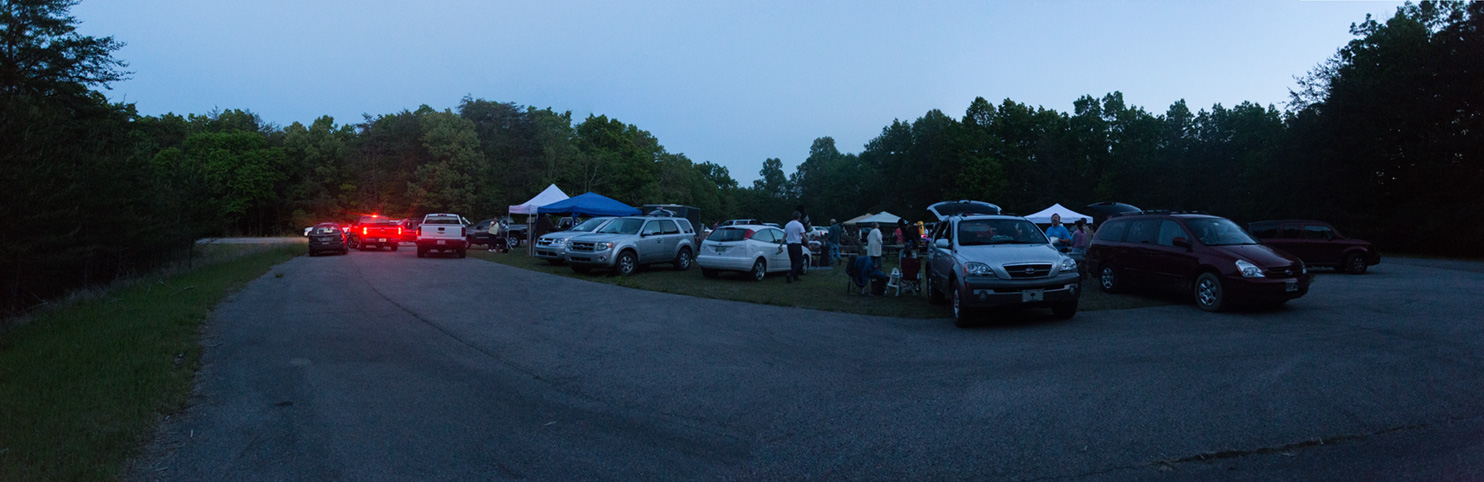
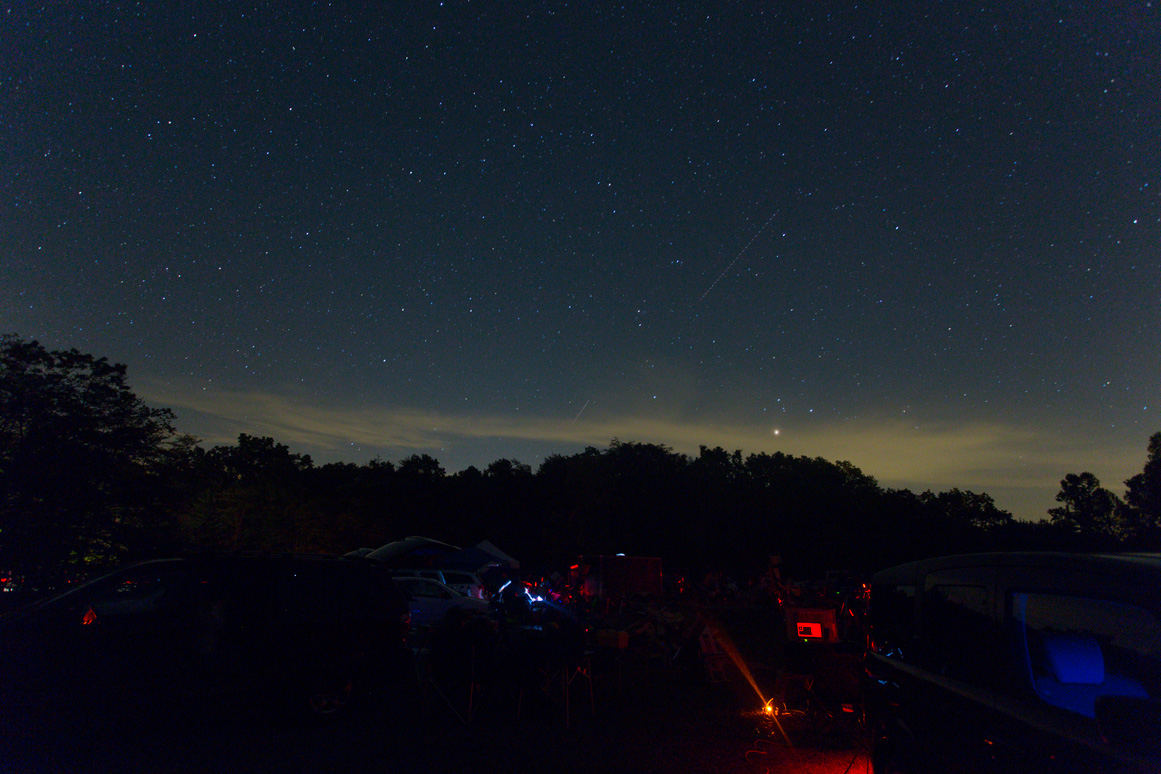
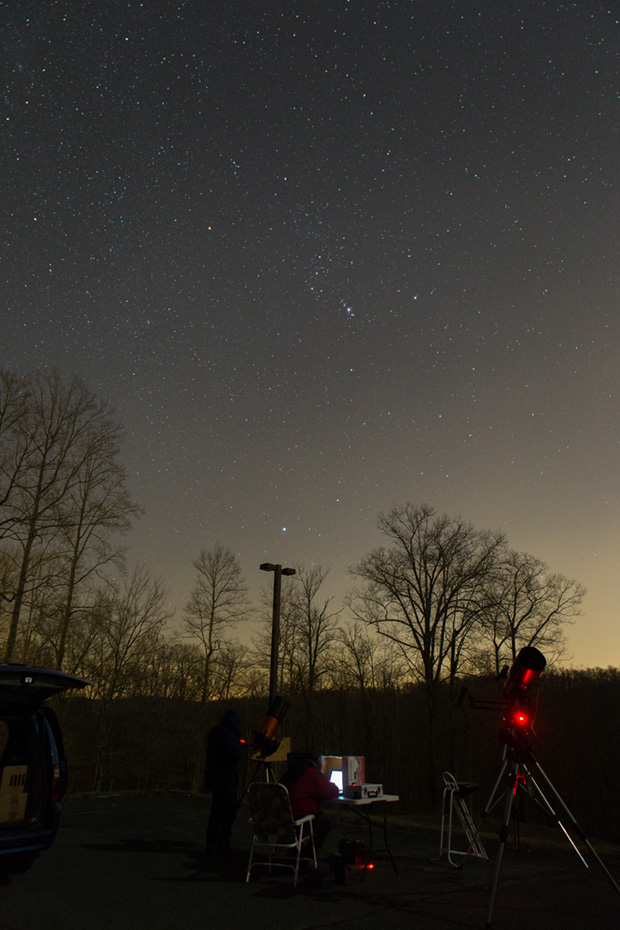
Tennessee Spring Star Party at DuskSat Night had some thin clouds moving through
Friday night was fantastic without a cloud to be seen. Saturday night was less pristine with a lot of thin cloud moving through. I thought we had some clearing later but a lot of the images from Sat night showed very inconsistent background values which leads me to believe we had thin stuff moving through all night. Still, how many clear nights can you ask for? It was a great TSSP and looking forward to the Fall Star Party.
SQM measurements topped out around 21.3 on Friday night and 21.4 on Saturday night.
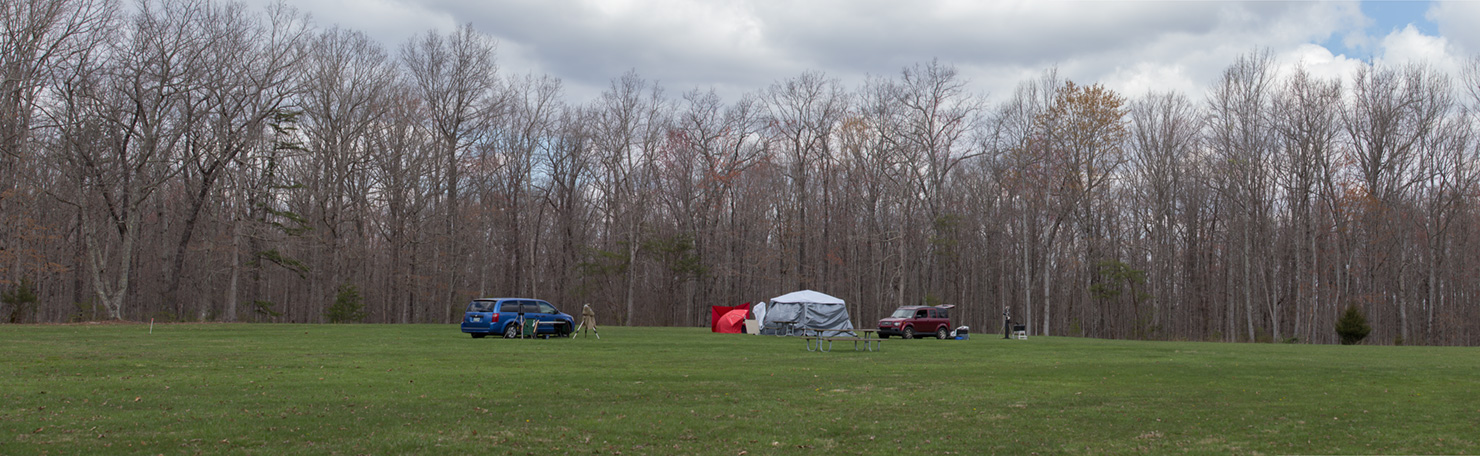
The first arrivals setting up on the astronomy field
On April 1st through April 3rd Pickett State Park, a newly designated IDA Dark Sky Site, held its first Astronomy Weekend Star Party. We were clouded out Friday night but clouds on Saturday finally yielded to clear skies albeit with some very gusty winds until the wee hours of the morning.
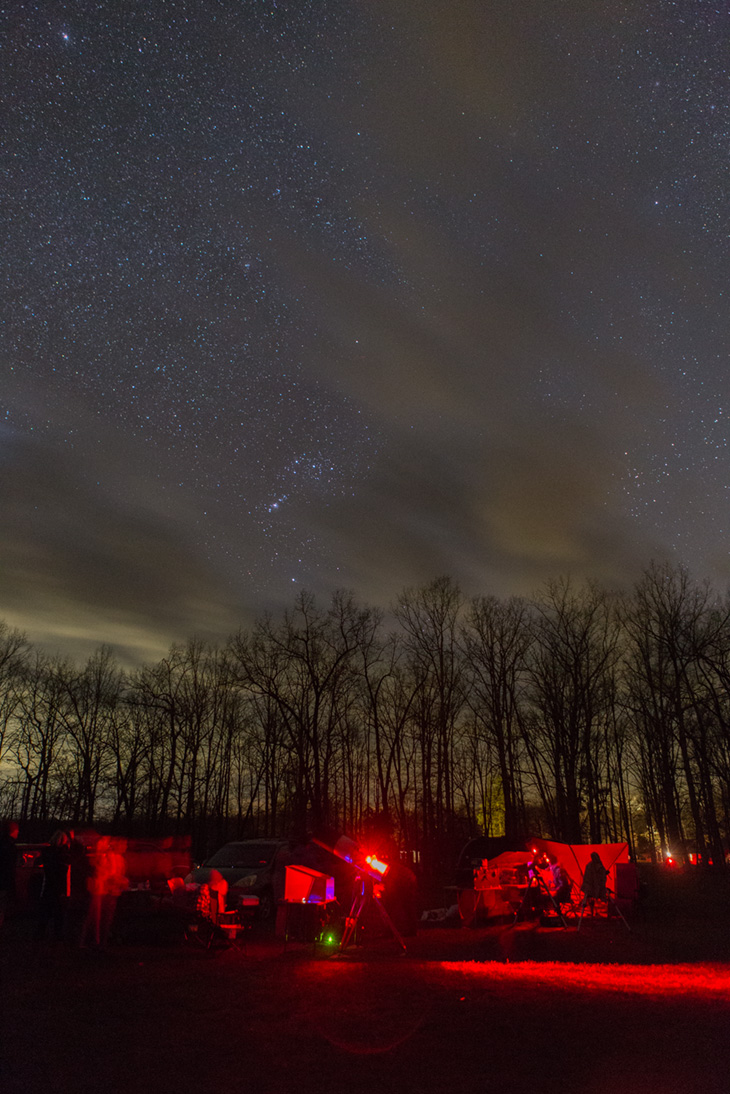
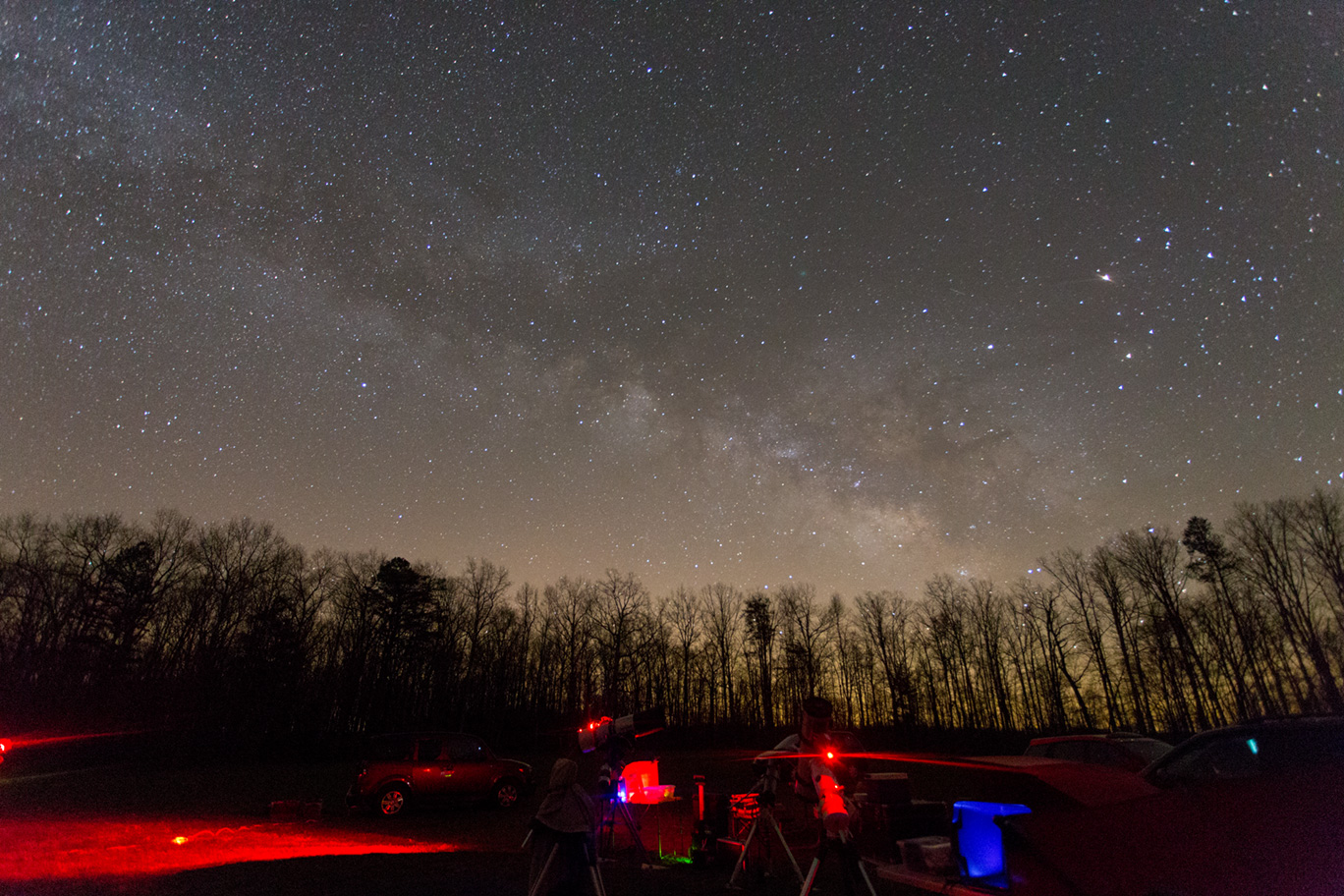
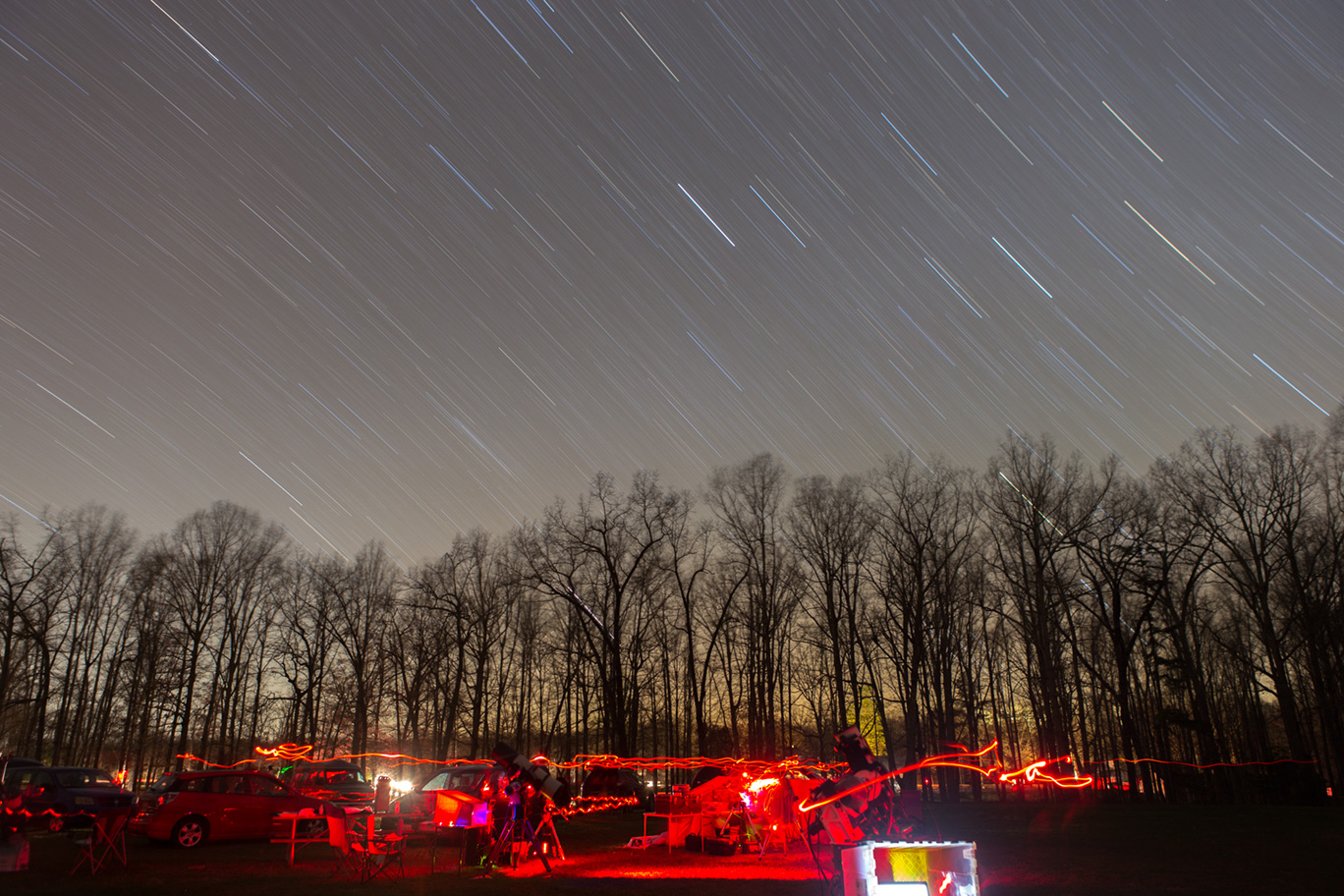
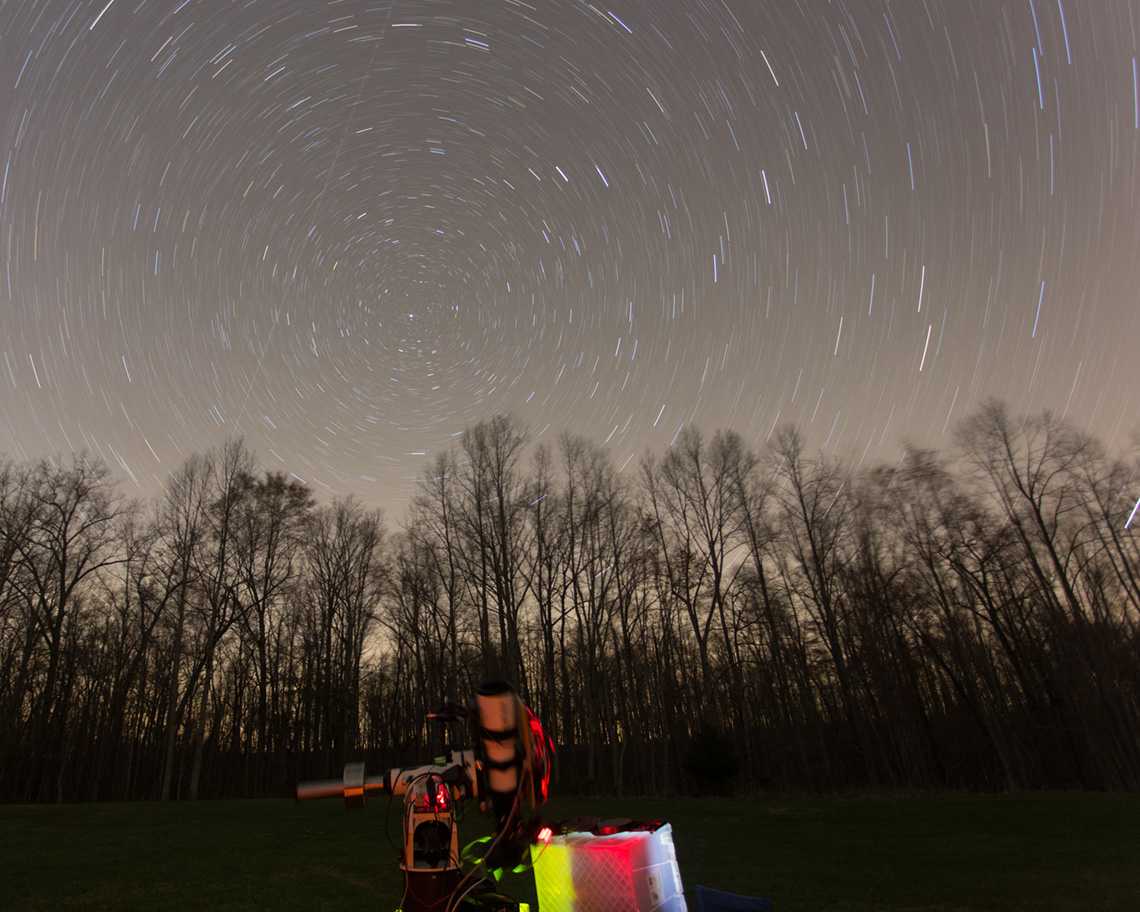
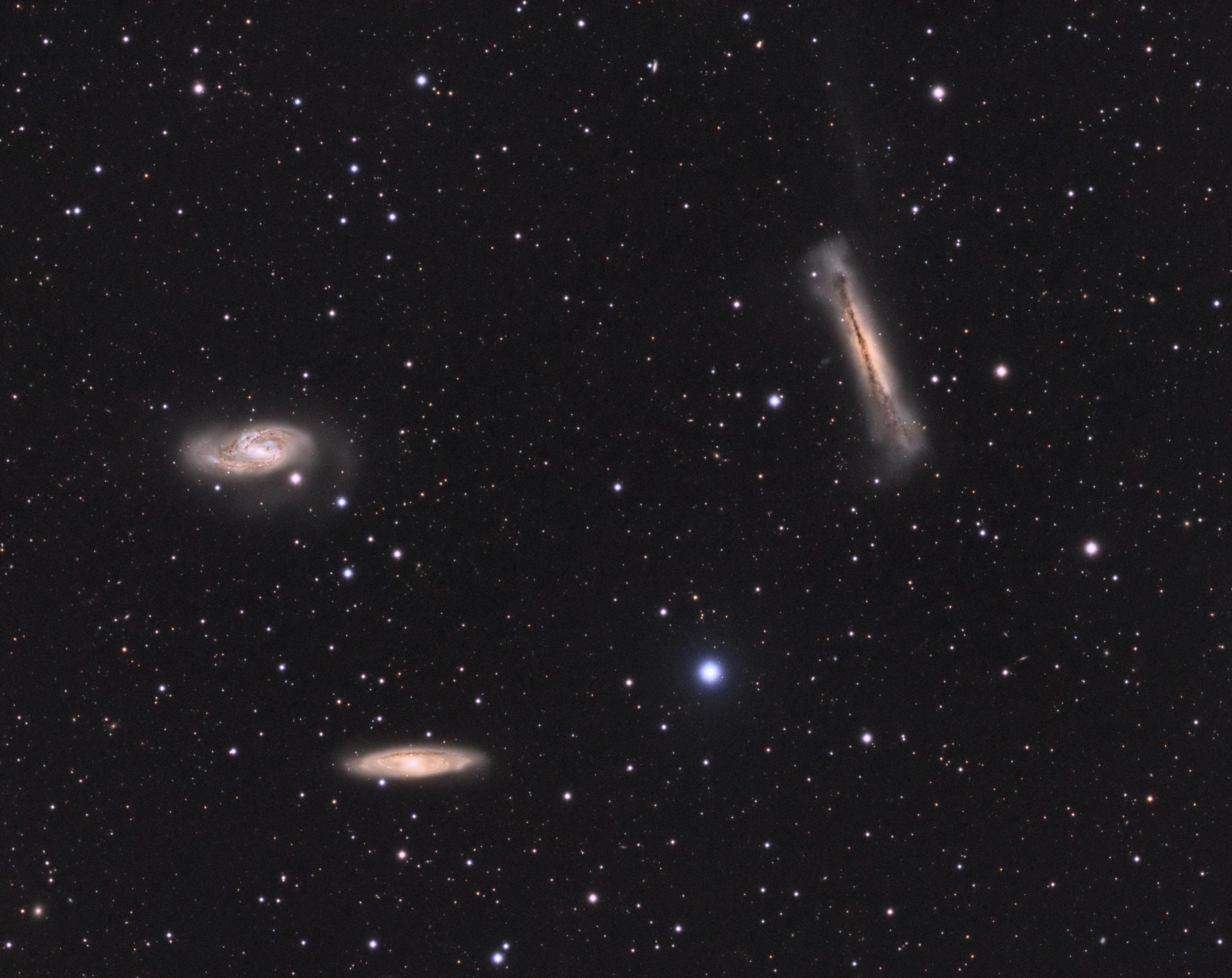
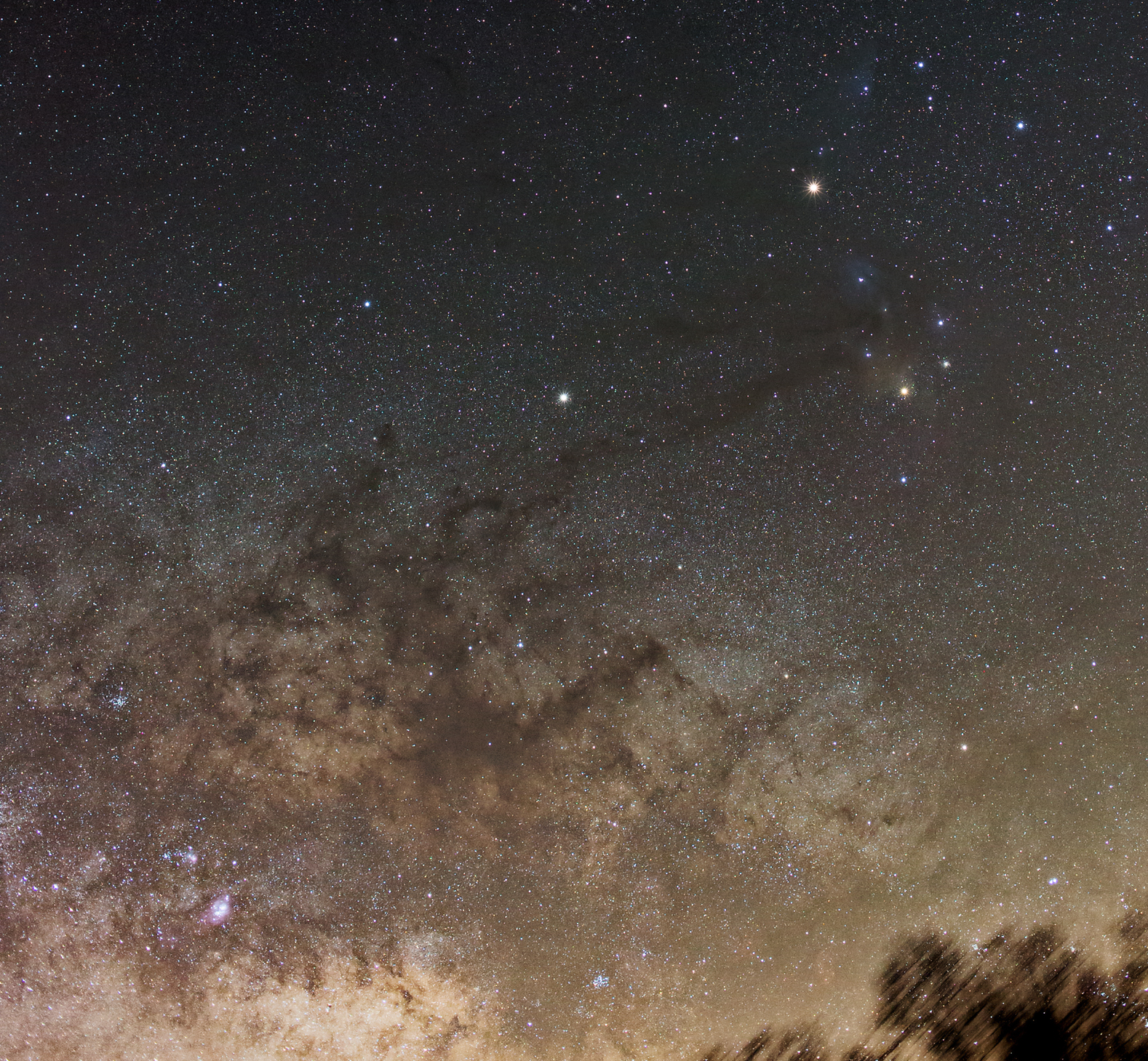
Waiting for Clouds to Clear while Orion setsEarly morning Milky Way rising over the astronomy fieldStar Trails over the astronomy fieldPolar Region Star TrailsThe Leo Triplet – M65, M66, & NGC 3628 Stellarvue SVQ 100, Apogee Ascent A694, AP900GTO Mount, Exposure 4 hours, SQM 21.48Rho Ophiuchi Cloud Complex stretching down to the Lagoon Nebula Canon 6D with 40mm f/4 ISO 1600 4min single exposure
Earlier this year (2015) Pickett / Pogue State Park was named a Silver Tier IDA dark site. I haven’t made it up for a night of astrophotography yet but have been wanting to visit the area and scope it out before lugging all the equipment up there for the first time. On Sunday my wife, the dogs, and I made a visit up to hike the short trail to the Pogue Canyon Overlook. The trail head is connected to the parking lot that adjoins the astronomy field at the Pogue SNA. First off, finding the place wasn’t difficult BUT google maps does not have current satellite imagery from there so I couldn’t pinpoint it easily. The address given didn’t seem to match up with anything in the imagery. So, to make it a little easier, here is an image of the location:
Pogue Creek Canyon – State Natural Area ; 36°31’19.35″N, 84°49’5.31″W
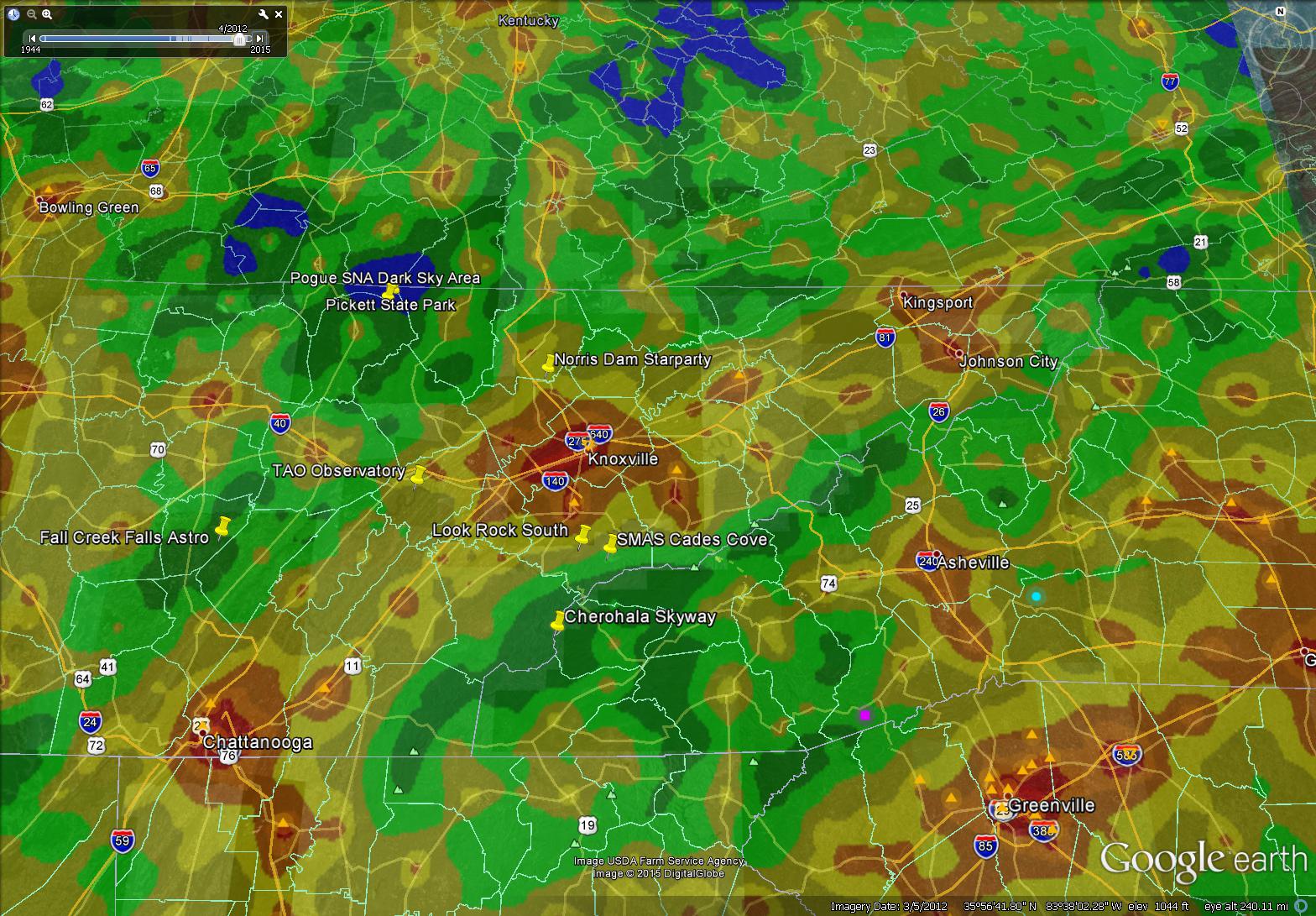
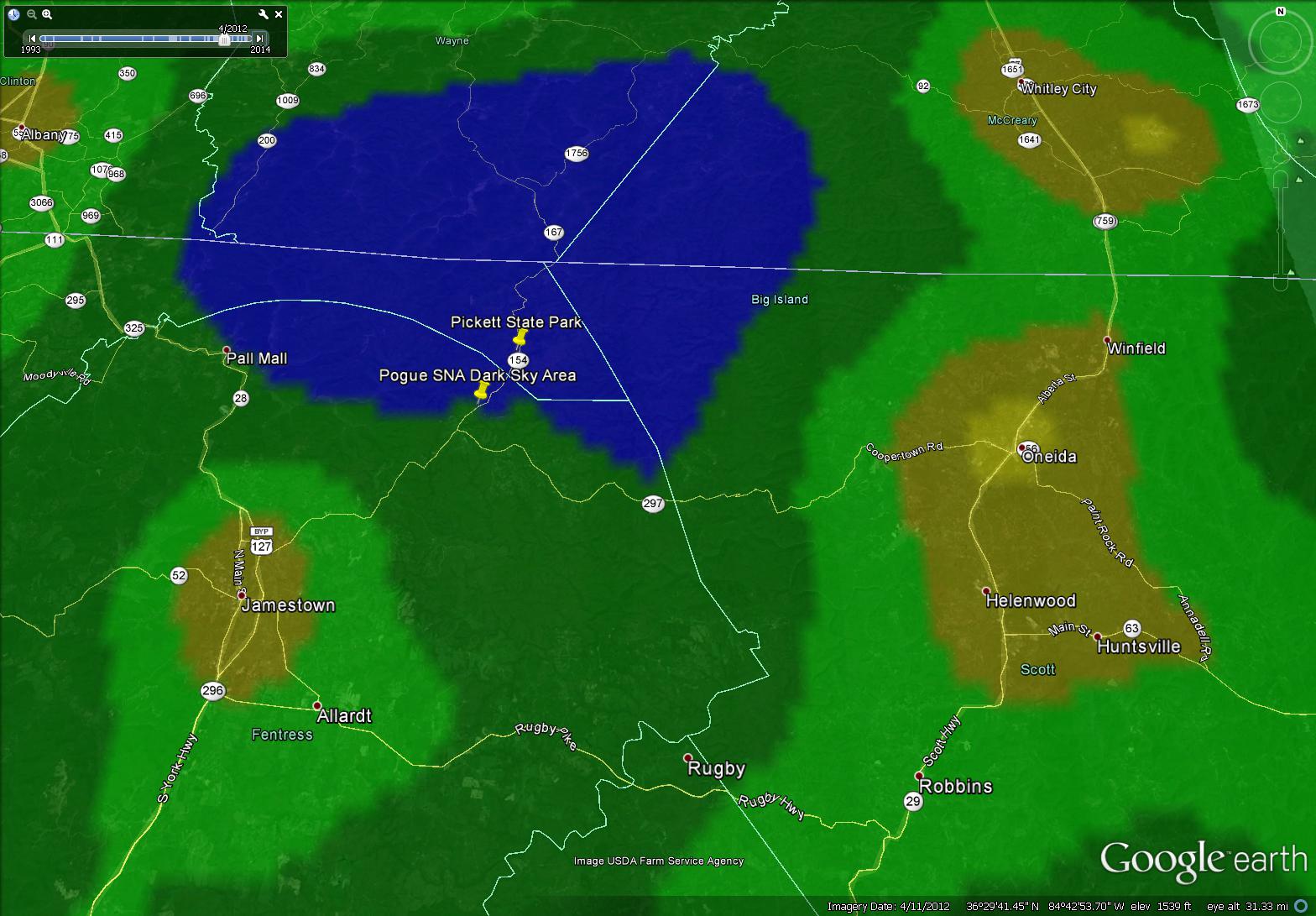
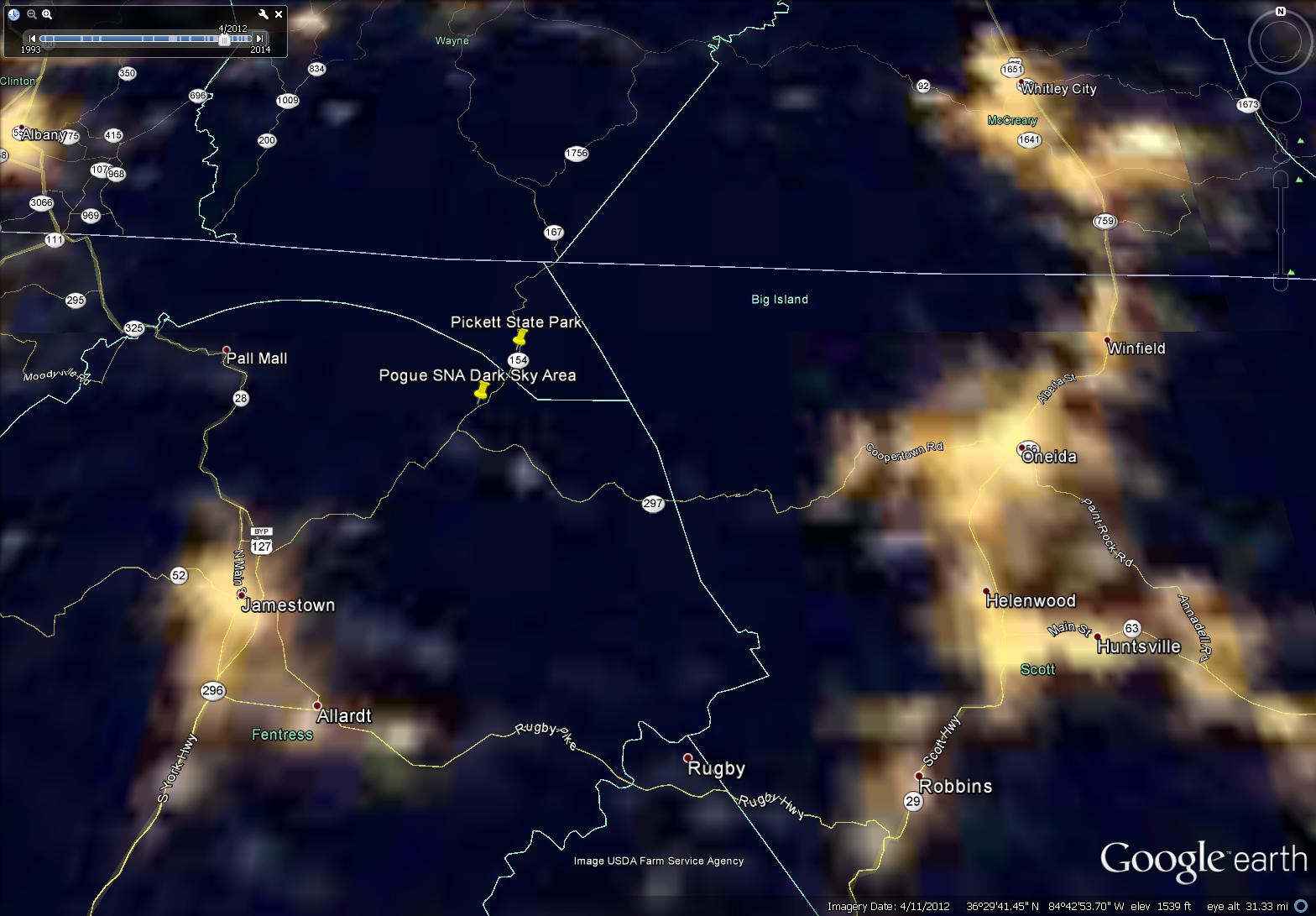
I’ve been interested in Pickett / Pogue for a while since it appears to be one of the darkest places in Tennessee and is located only 1:40 from my home. Here are a few light pollution maps showing where it is in relationship to sources of light pollution:
Pickett / Pogue East TN Light Pollution with some notable astronomy observing locations highlighted.
Pickett – Pogue local light pollution from Jamestown & Oneida
Pickett – Pogue Light Pollution – Globe at Night
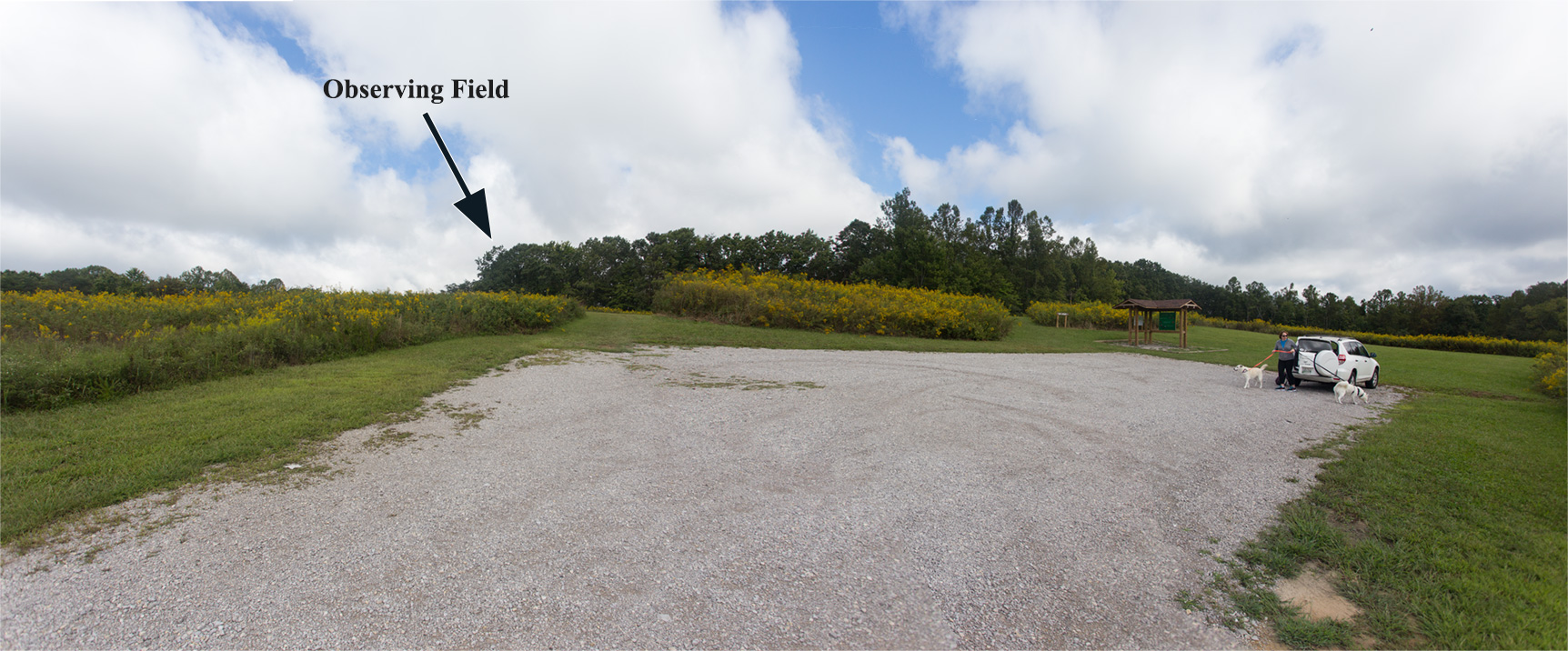
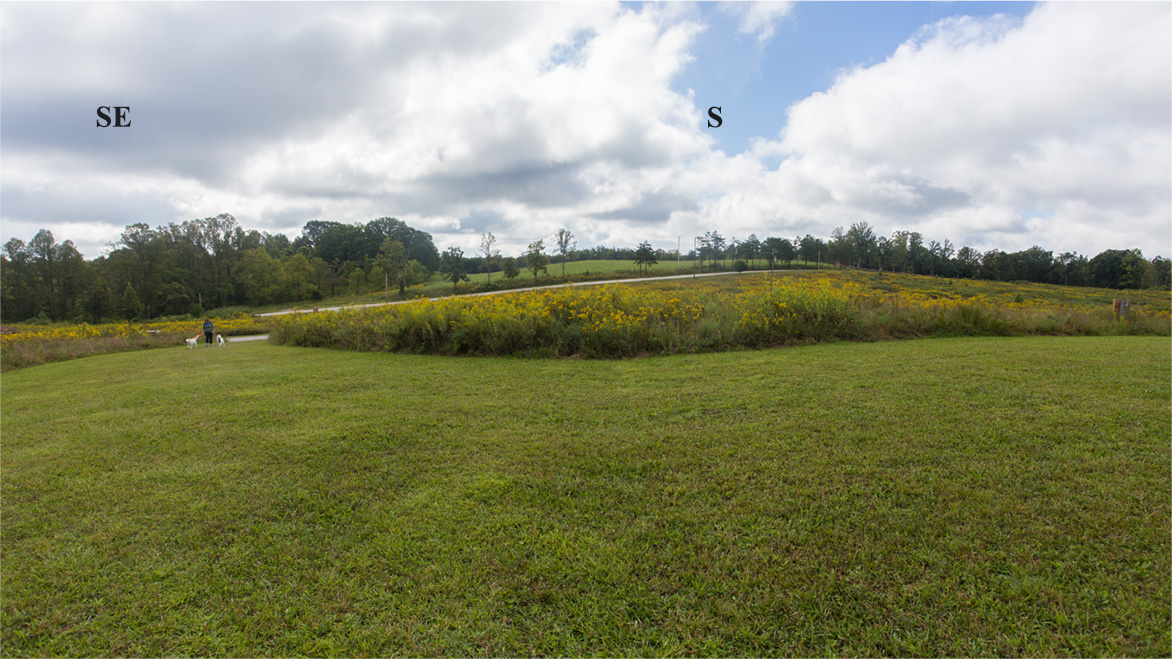
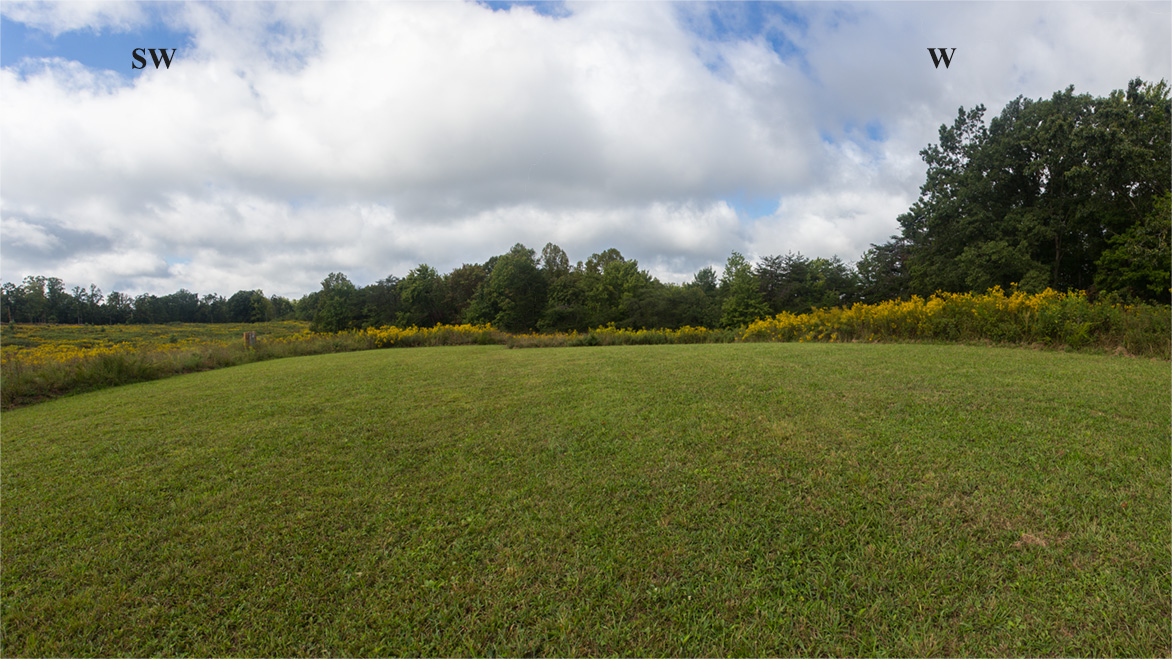
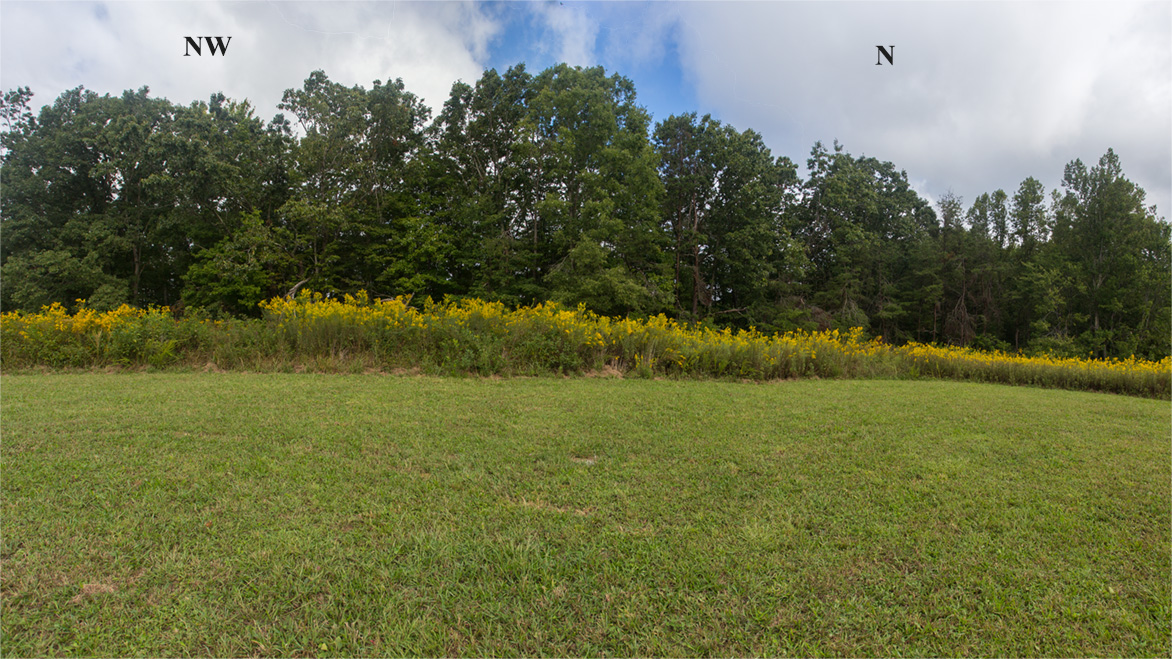
I also wanted to share a few photos from the site to show you all what to expect when you arrive at the site:
Pogue Creek Canyon State Natural Area Parking LotAstronomy Field South – Facing Pickett Park Hwy (154)
Astronomy Field West
Astronomy Field North
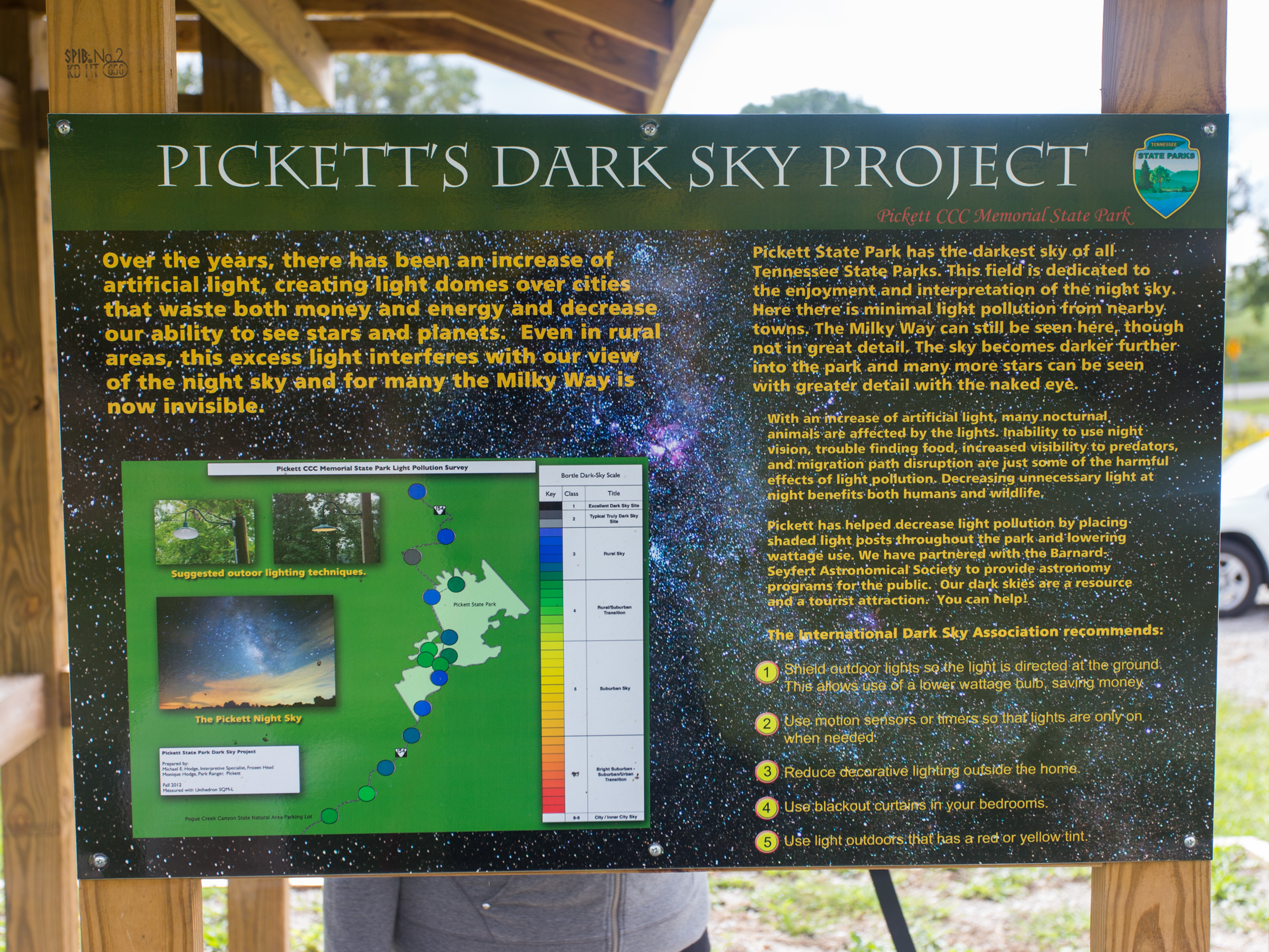
Pickett’s Dark Sky Project
A little bit of side information that might be of interest as it contains SQM measurements, photos, and upcoming event information:
Don’t forget, the Fall Star Gaze is happening 9/19/2015 at this location! I’d love to see you there but I’m tied up and can’t make it. Hope to make it out under the stars there another time.
This was my first visit to Fall Creek Falls for the 2015 Tennessee Fall Star Gaze. It’s a casual get together held at a clearing within walking distance from the Inn. The site is reasonably dark measuring 21.42+ on Friday and 21.31 on Saturday after some thundershowers upped the humidity level. Both nights were good so long as you were prepared for dew.
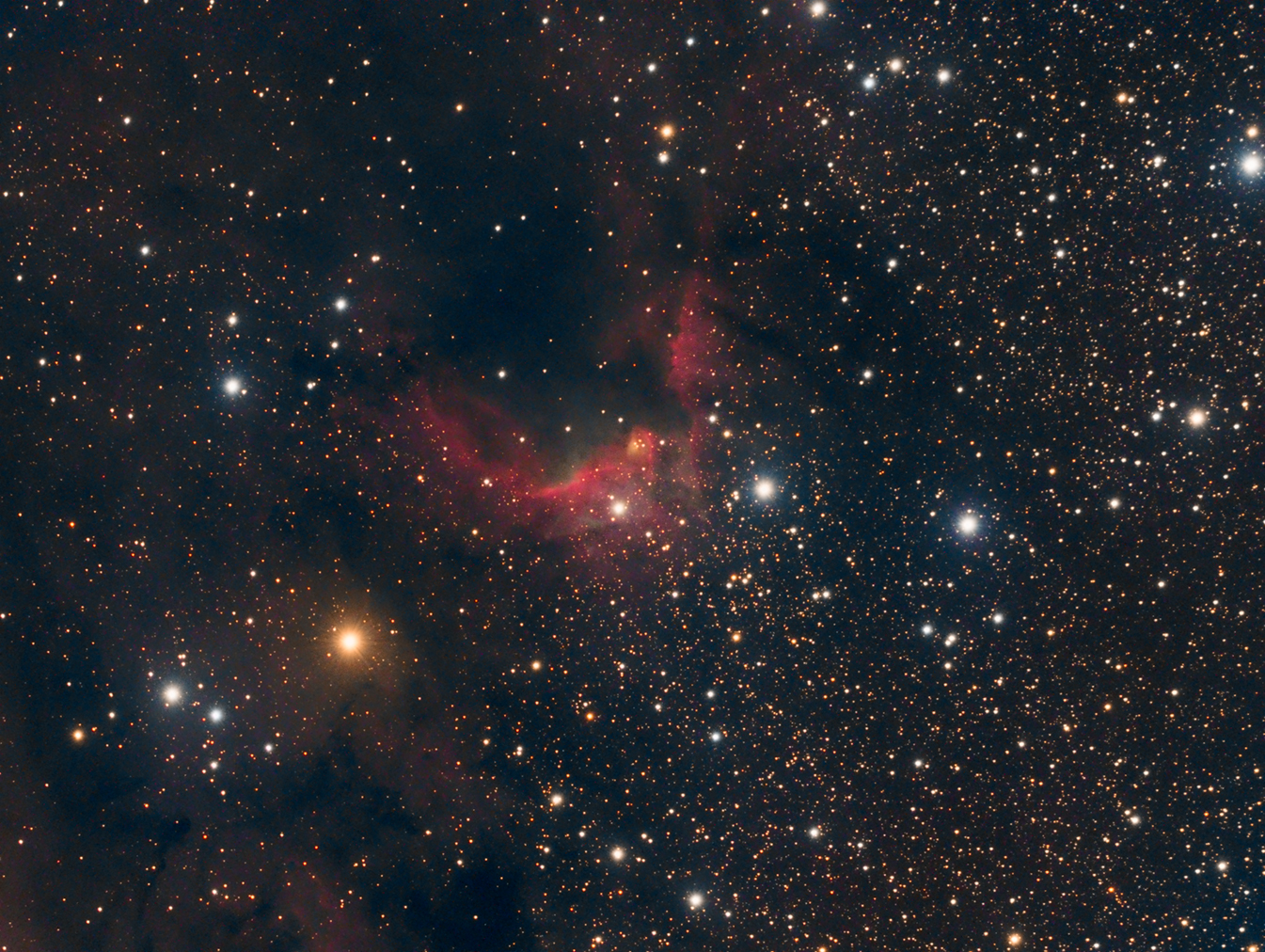
I spent both nights gathering data on SH2-155; the Cave Nebula. It’s a fairly dark object and I’d like more than the 4.5 hours of exposure time I got on it but a couple technical issues coupled with the early moon rise limited my time….
SH2-155 AP130EDT f/8 reduced to f/6 AP900GTO3 Mount Apogee Ascent A694 CCD 9x10min Lum 7x10min Red 6x10min Green 5x10min Blue
SH2-155 Annotated
S 155, also known as the Cave Nebula, Sh2-155 or Caldwell 9, is a dim and very diffuse bright nebula within a larger nebula complex containing emission, reflection, and dark nebulosity. It is located in the constellation Cepheus.
Visually it is a difficult object, but with adequate exposure, makes a striking image. The nebula gets its name Cave Nebula from the dark lane at the eastern side abutting the brightest curve of emission nebulosity which gives the appearance of a deep cave when seen through a telescope visually.
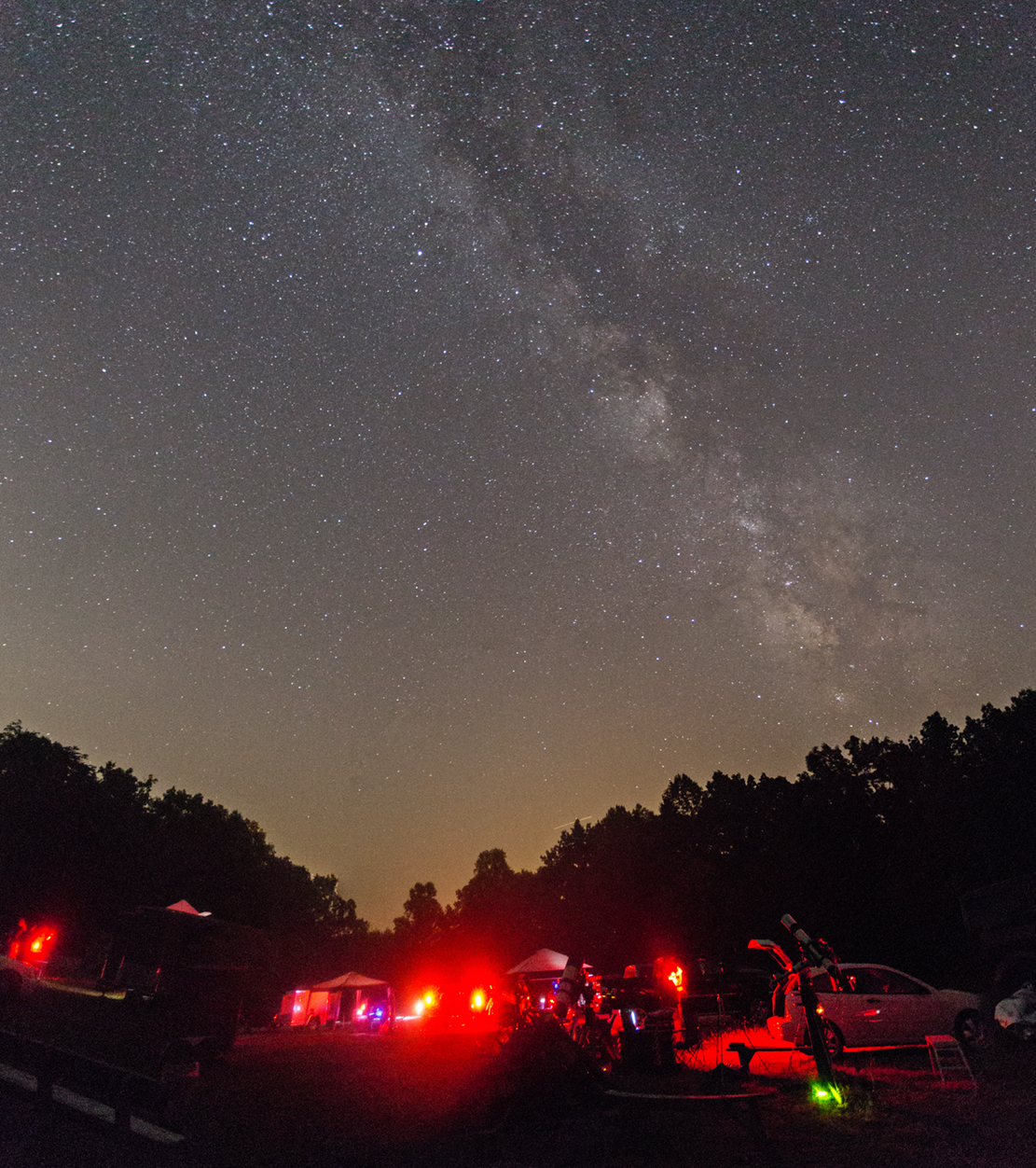
Fall Creek Falls Milky Way Pano Canon 6D, 17-40mm @ 17mm f/4, 20sec
This was my first time to Fall Creek Falls and I was not sure what to expect in terms of amenities. For those of you considering going: Restrooms are a 1000+ ft walk from the site. There are no restrooms at the field, nor is there any power, water, etc. The only things available at the site are trashcans. The Inn, as I mentioned before, offers restrooms, along with buffet meals, vending machines, and accommodations on the lake.
It ended up being a gorgeous night at Norris. The MW was clearly visible and seeing looked reasonably good just based on the naked eye twinkle criteria.
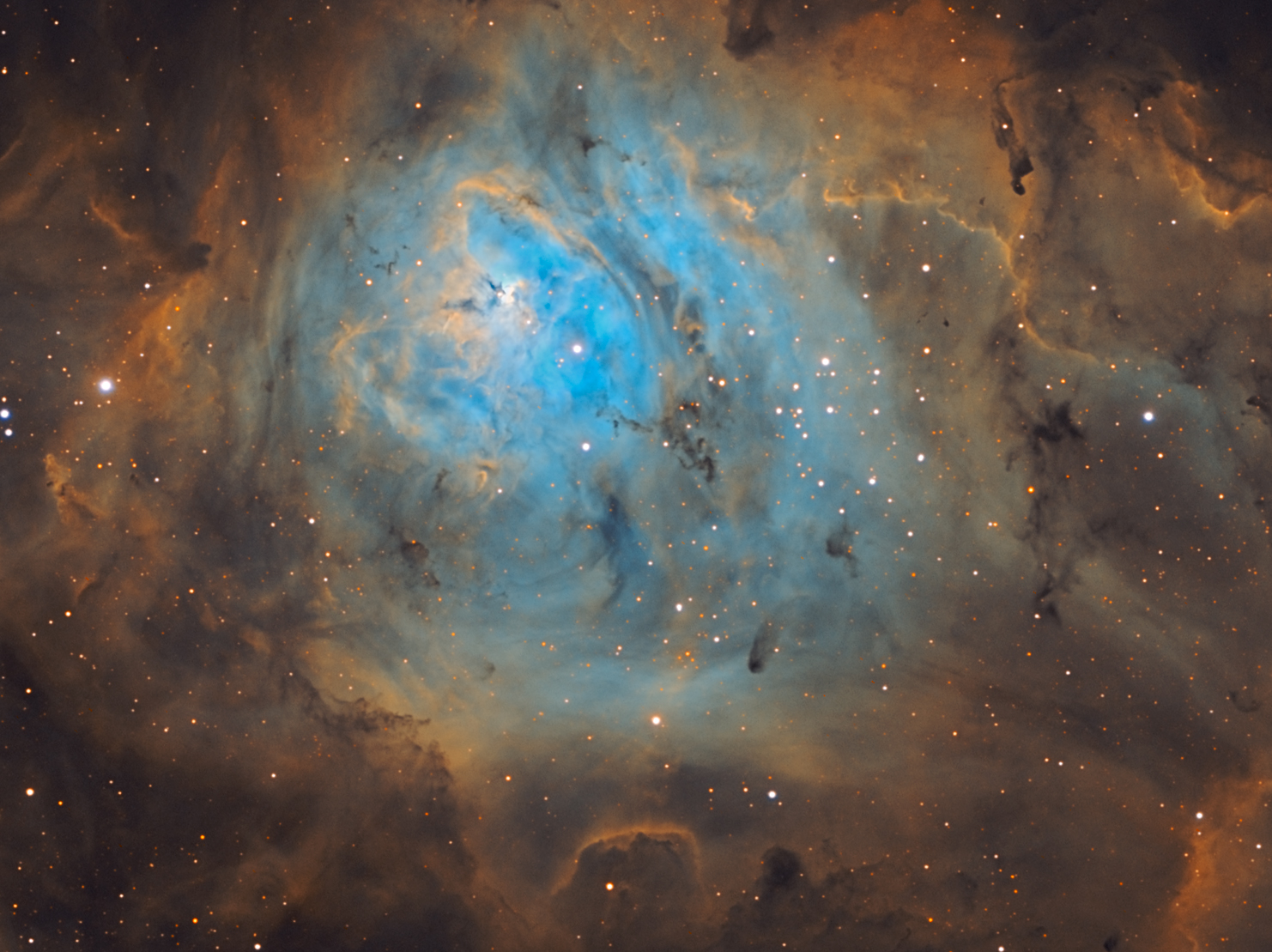
I was able to gather a paltry 3x20min of O[III] and 2x20min of S[II] data on M8 (The Lagoon Nebula) to complete a tricolor Hubble Pallet image before it moved behind a tree….
M8 – The Lagoon Nebula SVQ100, Apogee A694, Atlas EQG. Resolution: 1.61 arcsec/pixel FWHM of Raw Frames: 2.6 arcsec Exposure: Ha 8x20min, O[III] 3x20min, S[II] 2x20min
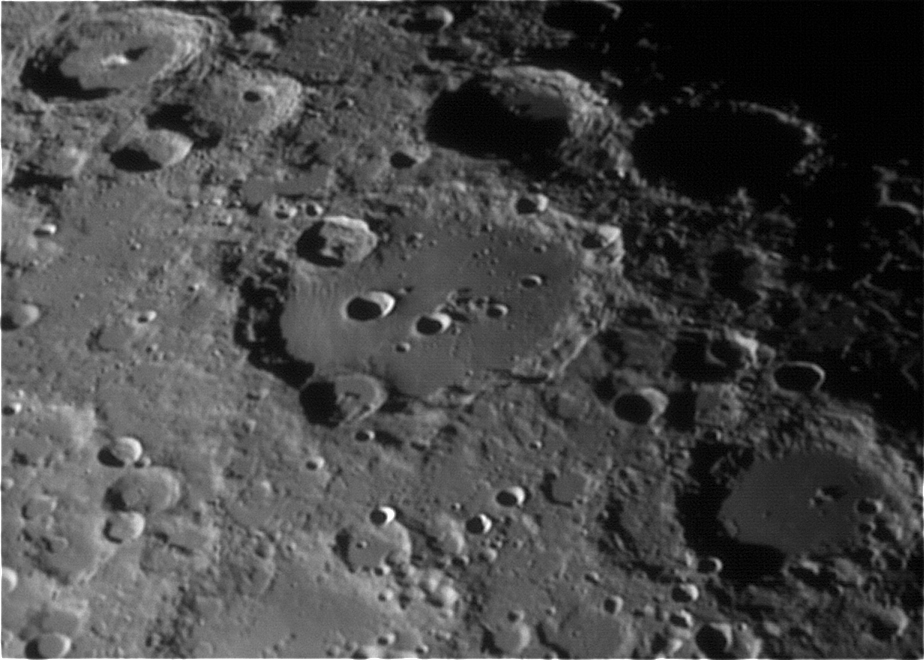
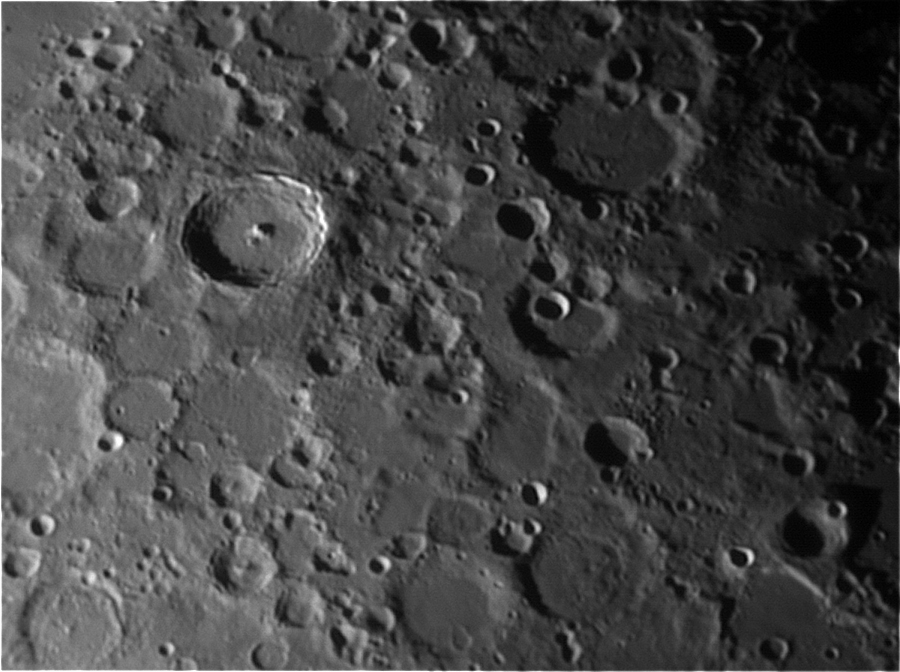
The night started off hazy with a big halo around the 68.5% illuminated waxing moon. I wasn’t that optimistic about the high thin stuff clearing out so I threw the Lumenera monochrome high frame rate planetary camera on the scope instead of the usual deep sky camera and trained the scope on the moon for the public. I added a wireless game-pad so they could drive the mount around and check out different parts of the moon on their own and hopefully add to their enjoyment. After most of the guests had left I took a few videos and stacked them. Unfortunately, the laptop is not setup for planetary imaging; hard drive space is very limited on the small SSD and I had to move each AVI to a flash drive as I took them…
Stellarvue SVQ100 & TV 5X Powermate with Lumenera Lu070 ccd. 30 seconds at 60 fpsStellarvue SVQ100 & TV 5X Powermate with Lumenera Lu070 ccd. 30 seconds at 60 fps
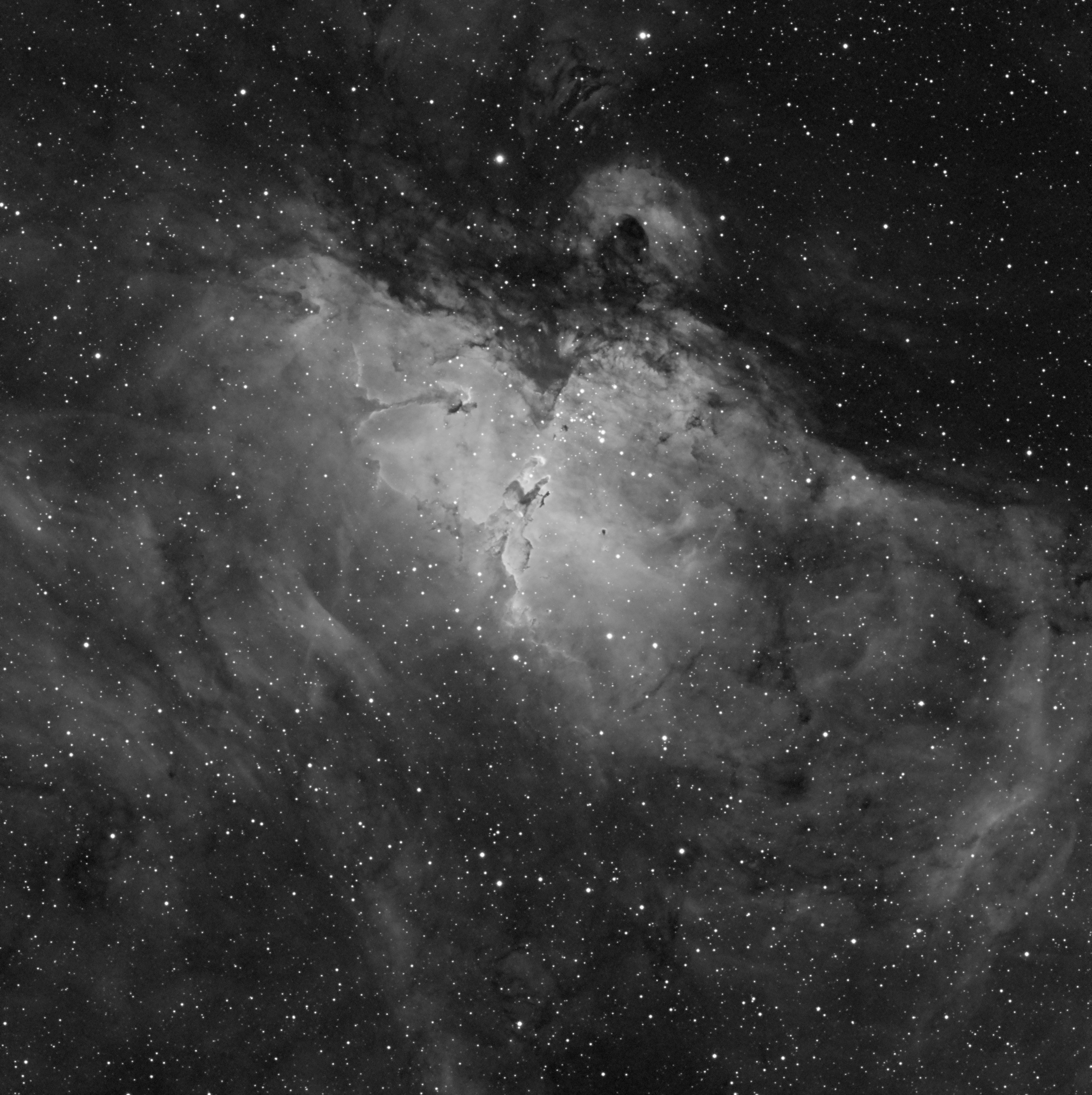
Luckily, it cleared up and the high thin stuff dissipated. I grabbed the deep sky camera and got to work on M16, The Eagle Nebuka, in Sagittarius.
M16 – The Eagle Nebula Taken with a Stellarvue SVQ100, Apogee Ascent A694, Atlas EQ-G Mount, Baader 7nm Ha Filter. Exposure time 8x20min.
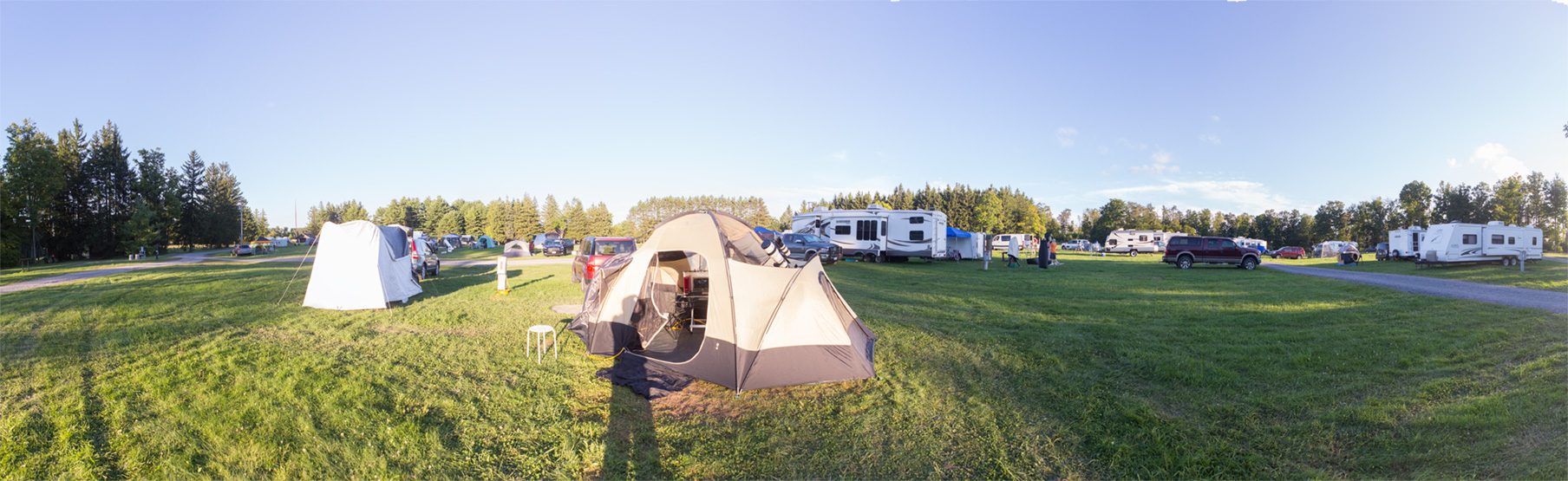
Cherry Springs panorama from the northern side of the overnight astronomy field
Cherry Springs
Monday night was my first visit to a dark site; or at least my first visit since catching the astronomy bug. Upon arriving at Cherry Springs after the 4 hour drive I noticed there were quite a few people still hanging around after the Black Forest Star Party which was held over the weekend. According to some of the other amateur astronomers, the weekend star party was a bust.
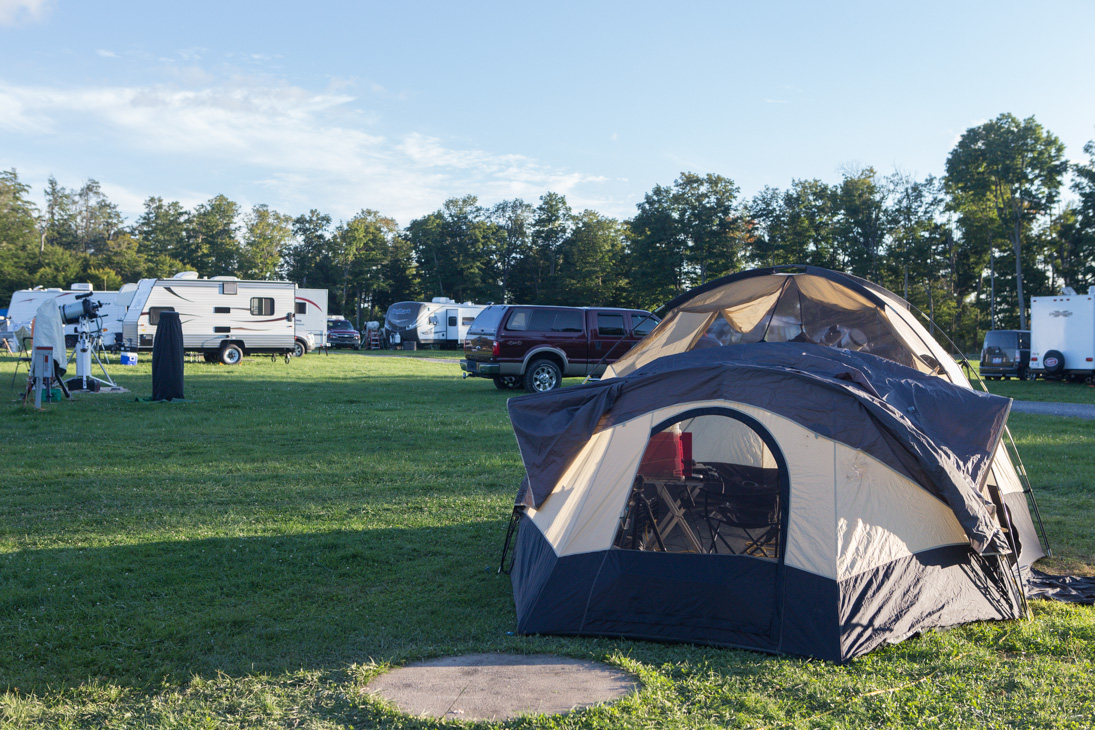
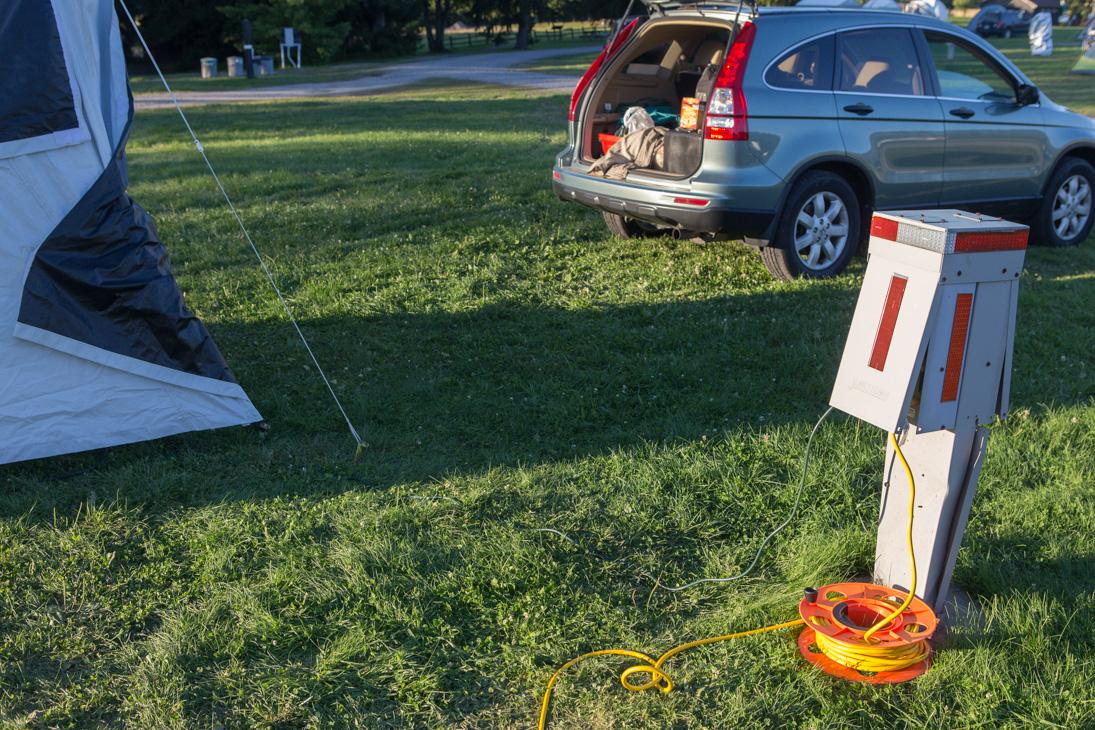
We found a vacant spot to setup our tents right next to one of the RV style power outlet posts scattered throughout the observing fields. I can’t stress how wonderful it is to have power provided on the field for the astrophotographically inclined!
The grounds were well kept and the main bathrooms much nicer than expected. The surrounding area is gorgeous for anyone who enjoys the outdoors.
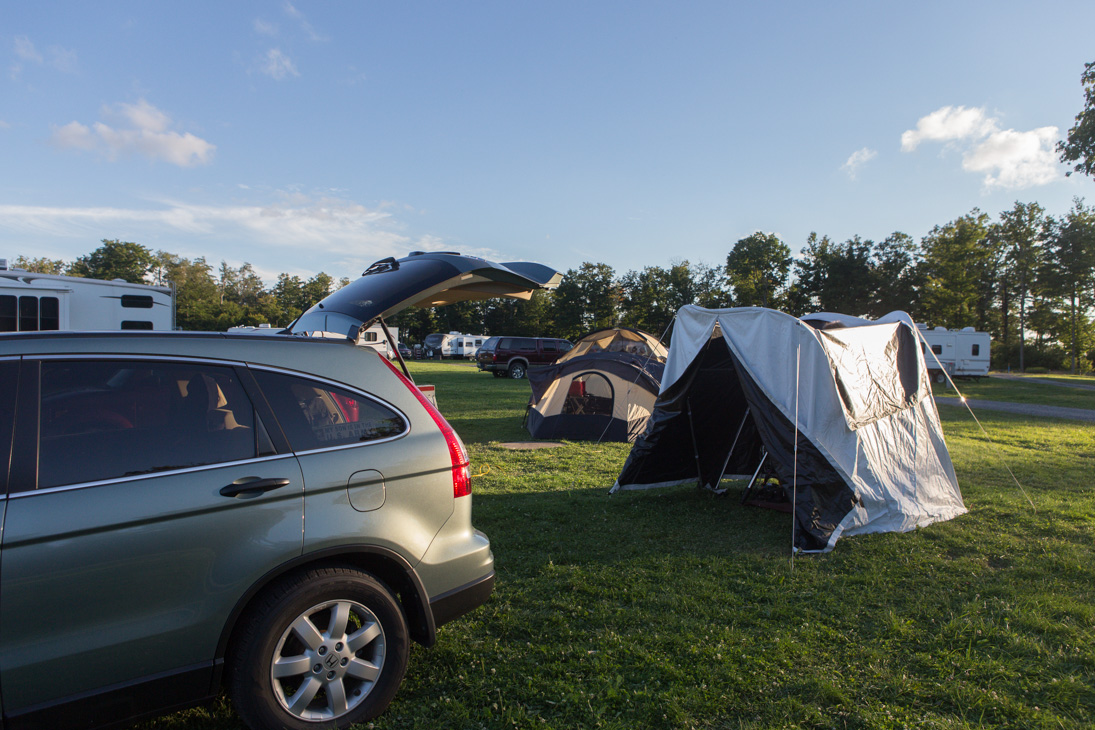
Frank’s Tent
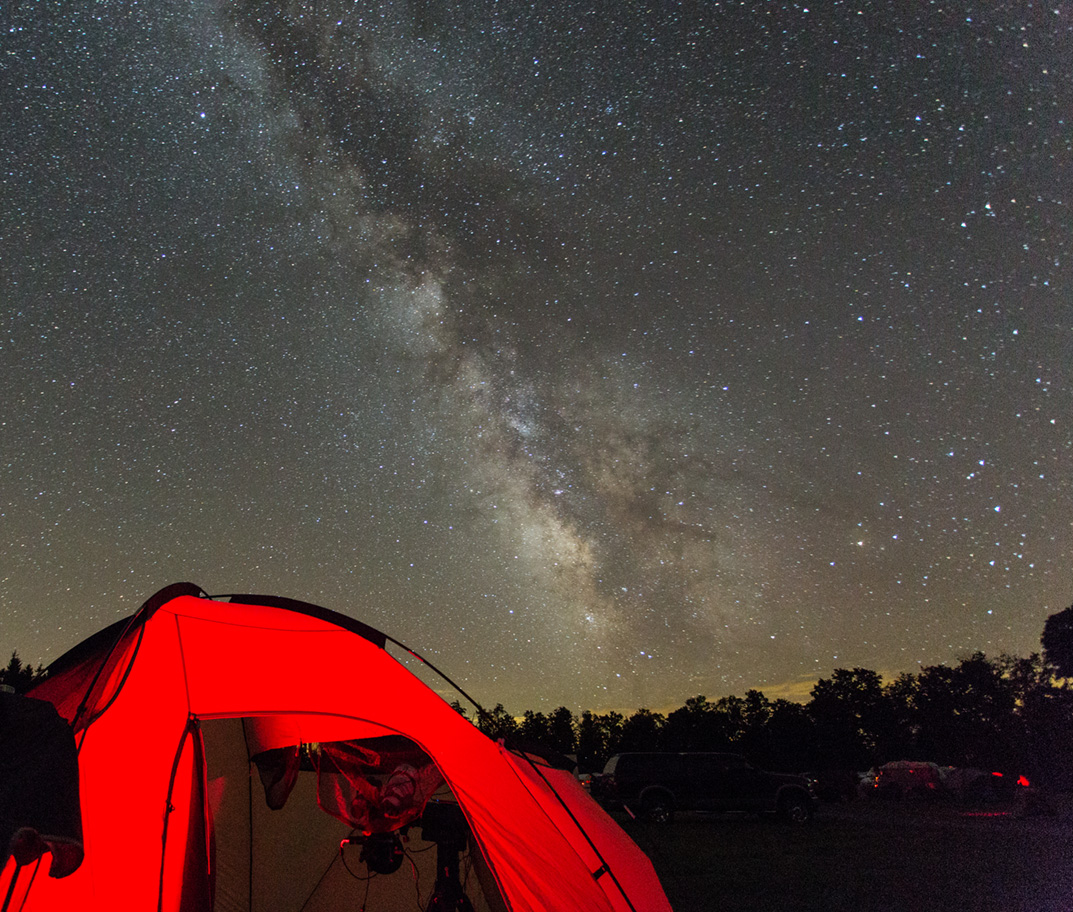
My Astronomy Tent
Power Stations
Untracked 30 Second Exposure
As nice as the park was, the show obviously didn’t start until the sun went down. The Milky Way was more prominent before astronomical twilight than I’m used to seeing here in the PGH region after astronomical twilight; even at the Greene County site. By 10:00pm it was gorgeous and I snapped a quick 3o second shot on a tripod and marveled that the dark lanes extending out from the Rho Ophiuchi / Antares region were clearly visible in a short exposure so close to the horizon.
Seeing the sky like this puts everything in a different perspective.
Yes, it’s depressing being back in light polluted Pittsburgh but I’m really glad I finally made it out to Cherry Springs after all this time.
I had plans to shoot some other objects but due to poor planning and setup of my tent I couldn’t take some of the deep southern objects I was hoping for. I settled for 5.5 hours of exposure time on NGC 7023: The Iris Nebula. I have shot the Iris before but was never totally happy. I’m still not quite satisfied but it’s certainly better than what I’ve gotten around here.