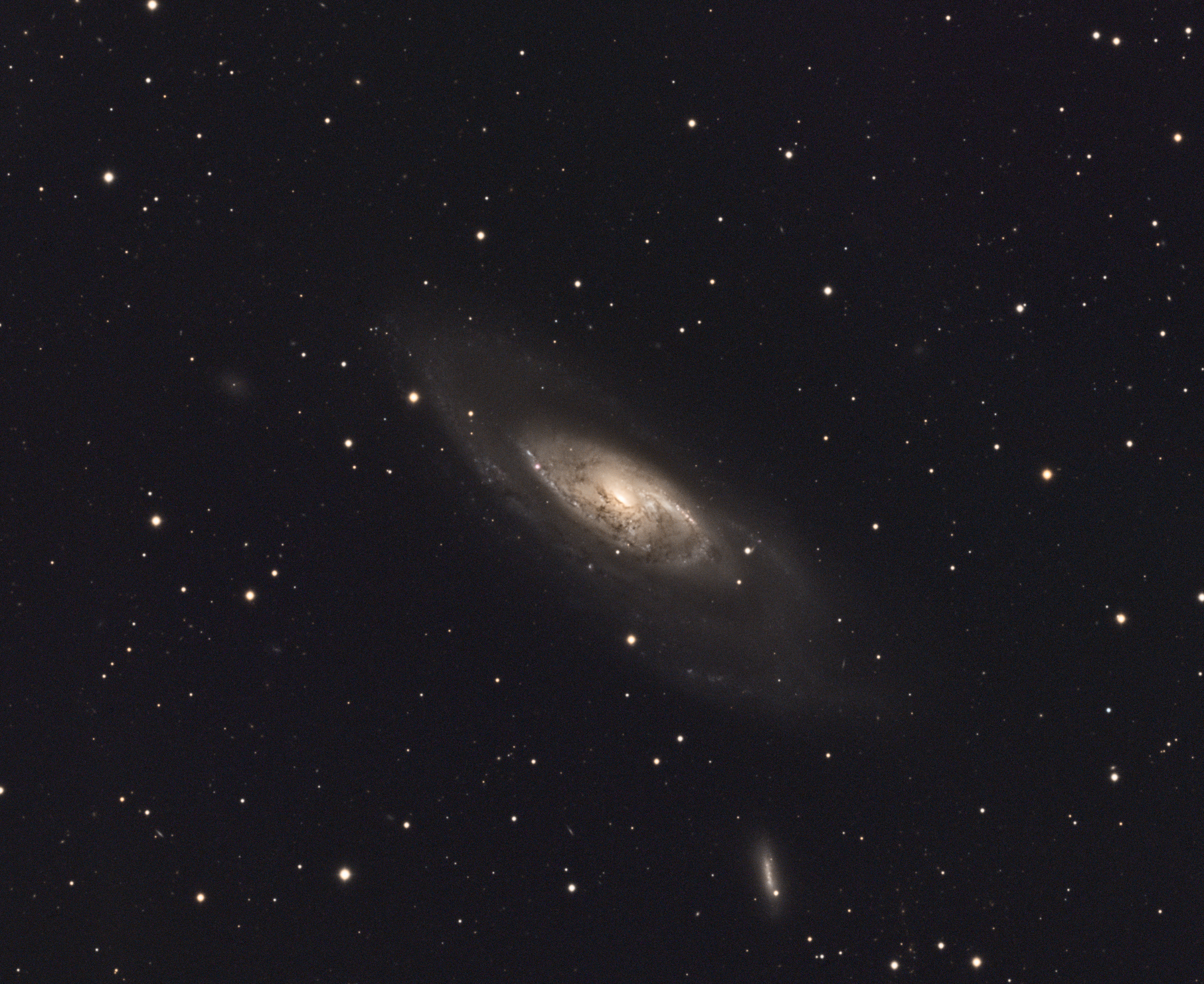
- Image Acquisition Location: Clinton, TN; Home Observatory
- Scope: AP130GTX
- Mount: AP1200GTO
- Camera: QHY268M
- Image Scale: ~0.92 arcsec/pixel
- Integration Time: ~15.3 Hours
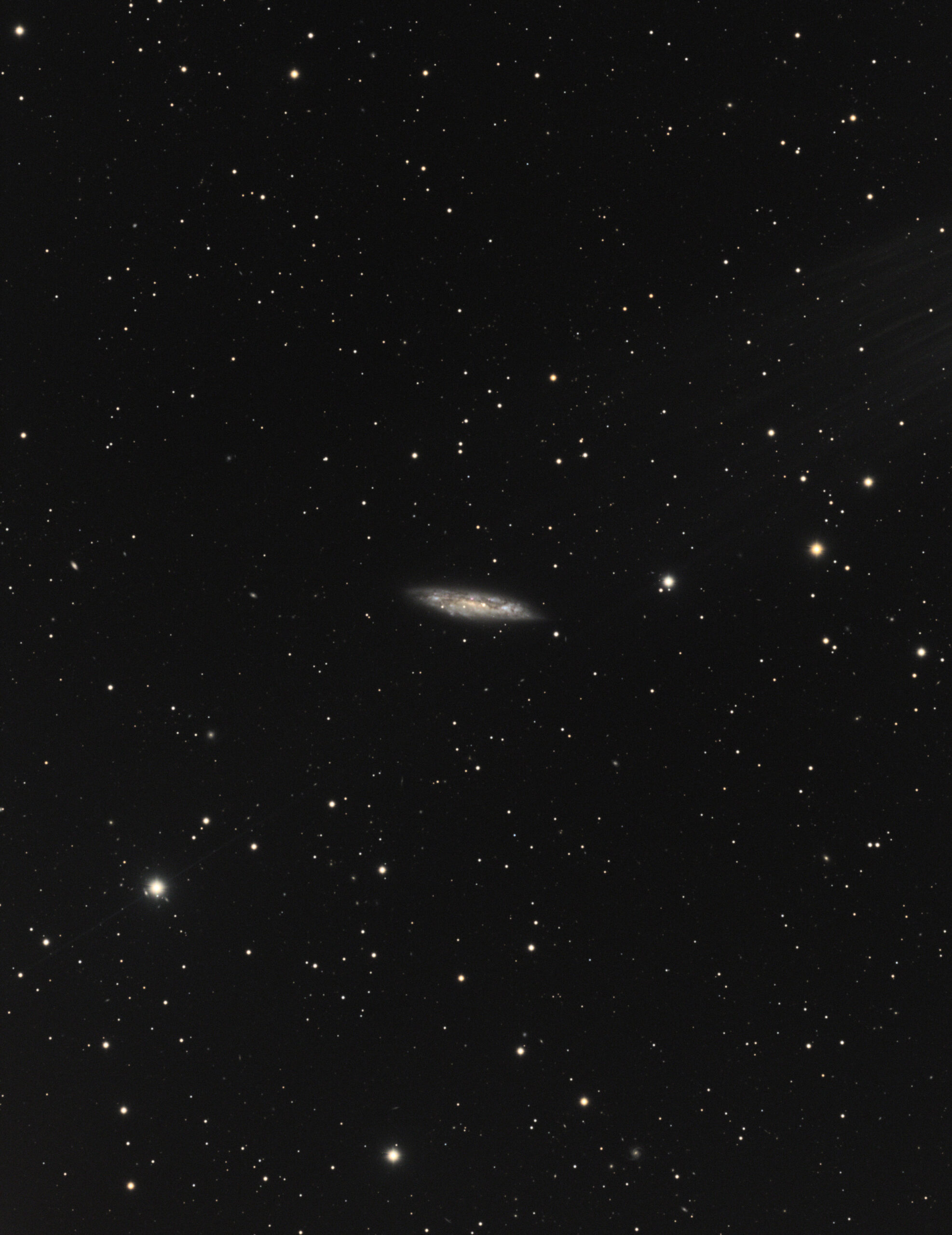
I put a QHY268M CMOS camera into the Observatory to replace the significantly larger pixel sized Apogee U8300 that has been hanging around since the very early days and is starting to hiccup. These were all test images with 3 minute exposures from my fairly light polluted suburban back yard observatory. (SQM is 20.0 to 20.4 depending on season and quality of the night.) Most images are 2-3 hours total exposure in LRGB. Some images were a total loss due to filter wheel problems and filter shift causing incompatible flat frame corrections. Corrective actions have been taken to secure the filters and ensure proper indexing. As it is, none of these images are great but I can’t bring myself to throw them out so think of this as a first light post of sorts for the QHY268M.
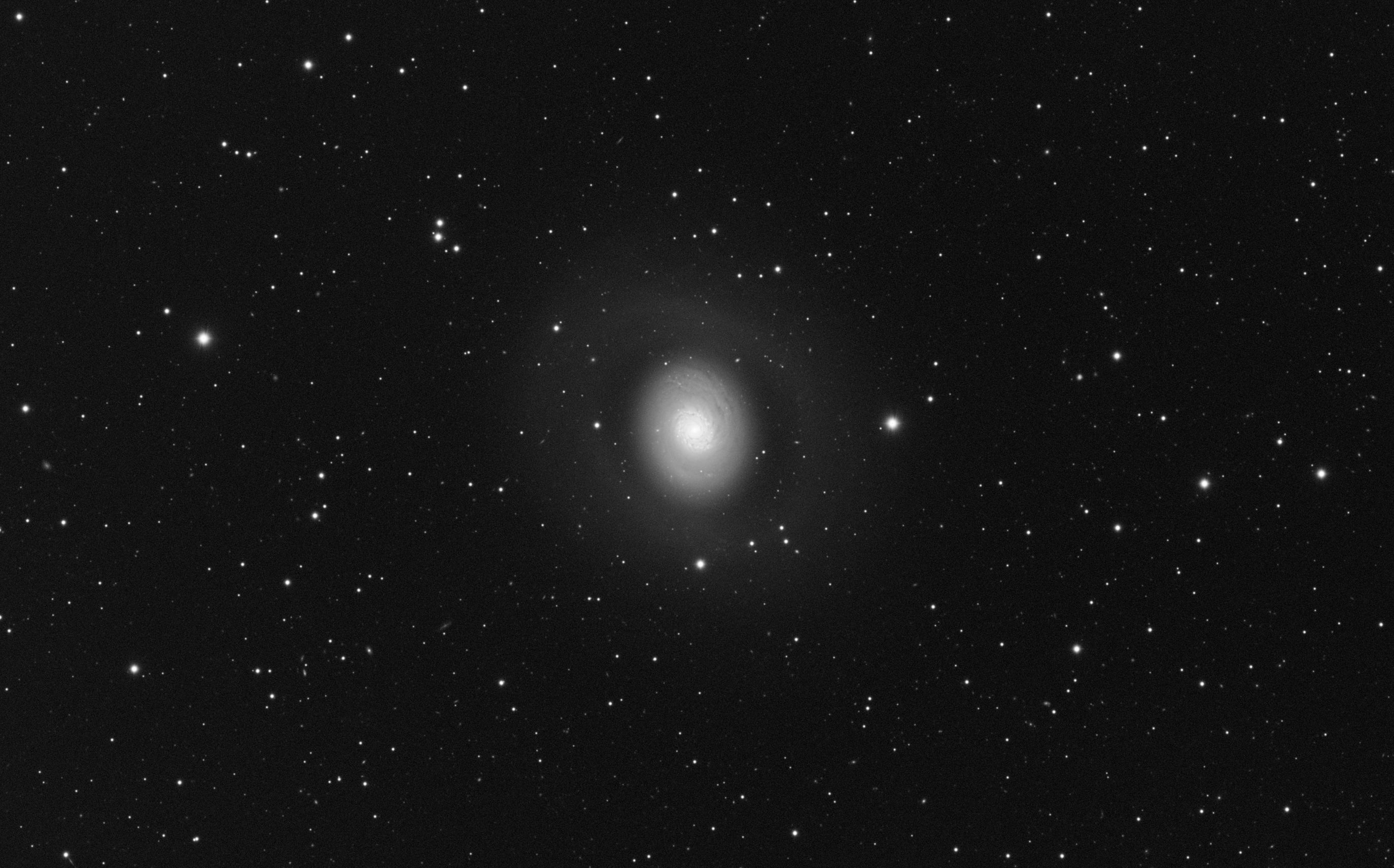
M95
A barred spiral galaxy approximately 33 million light years away.


M108
M108 is a barred spiral in Ursa Major and contains about 125 billion solar masses.

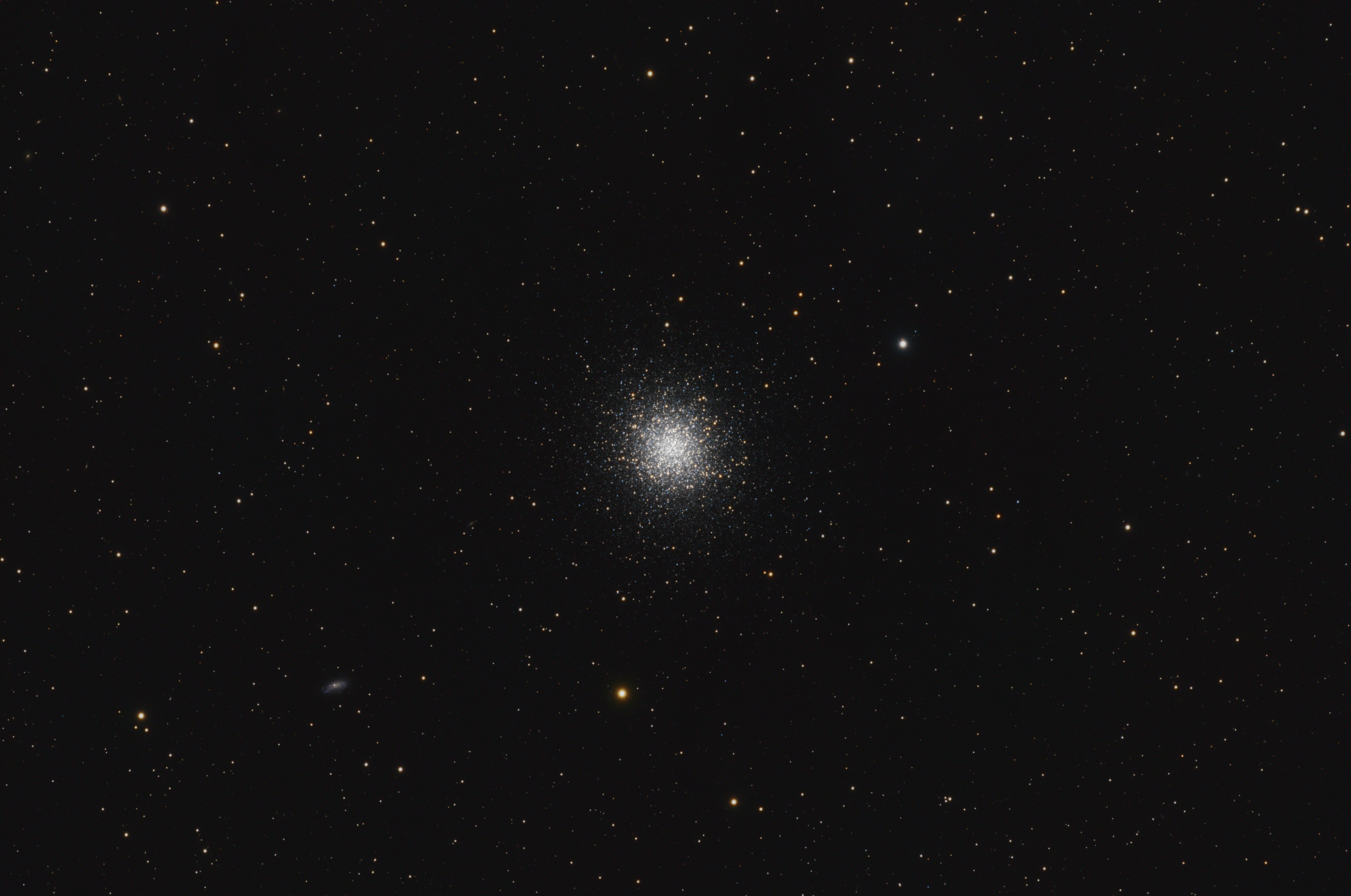
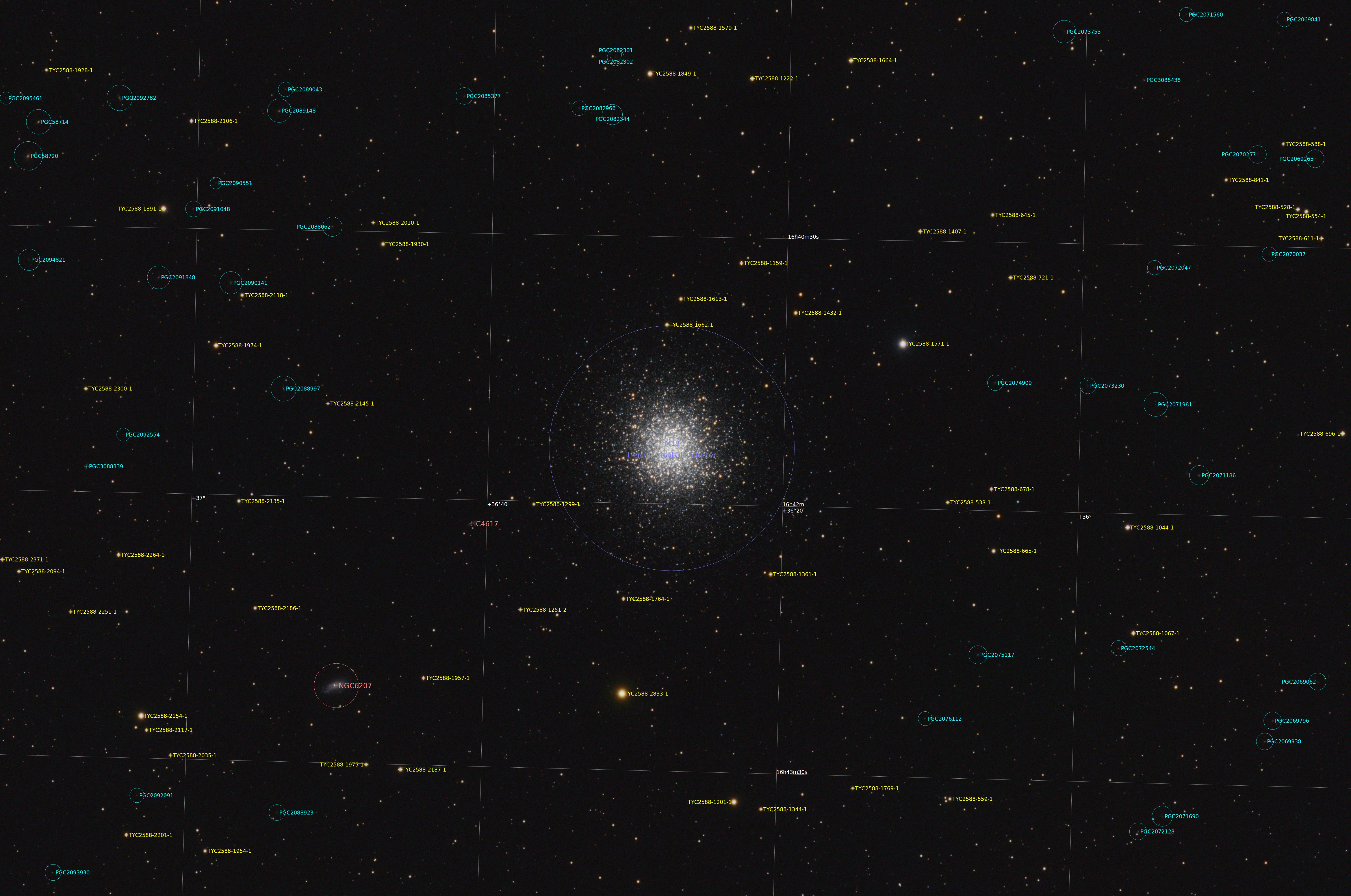
M13
M13 is a globular cluster of several hundred thousand stars in the constellation Hercules.
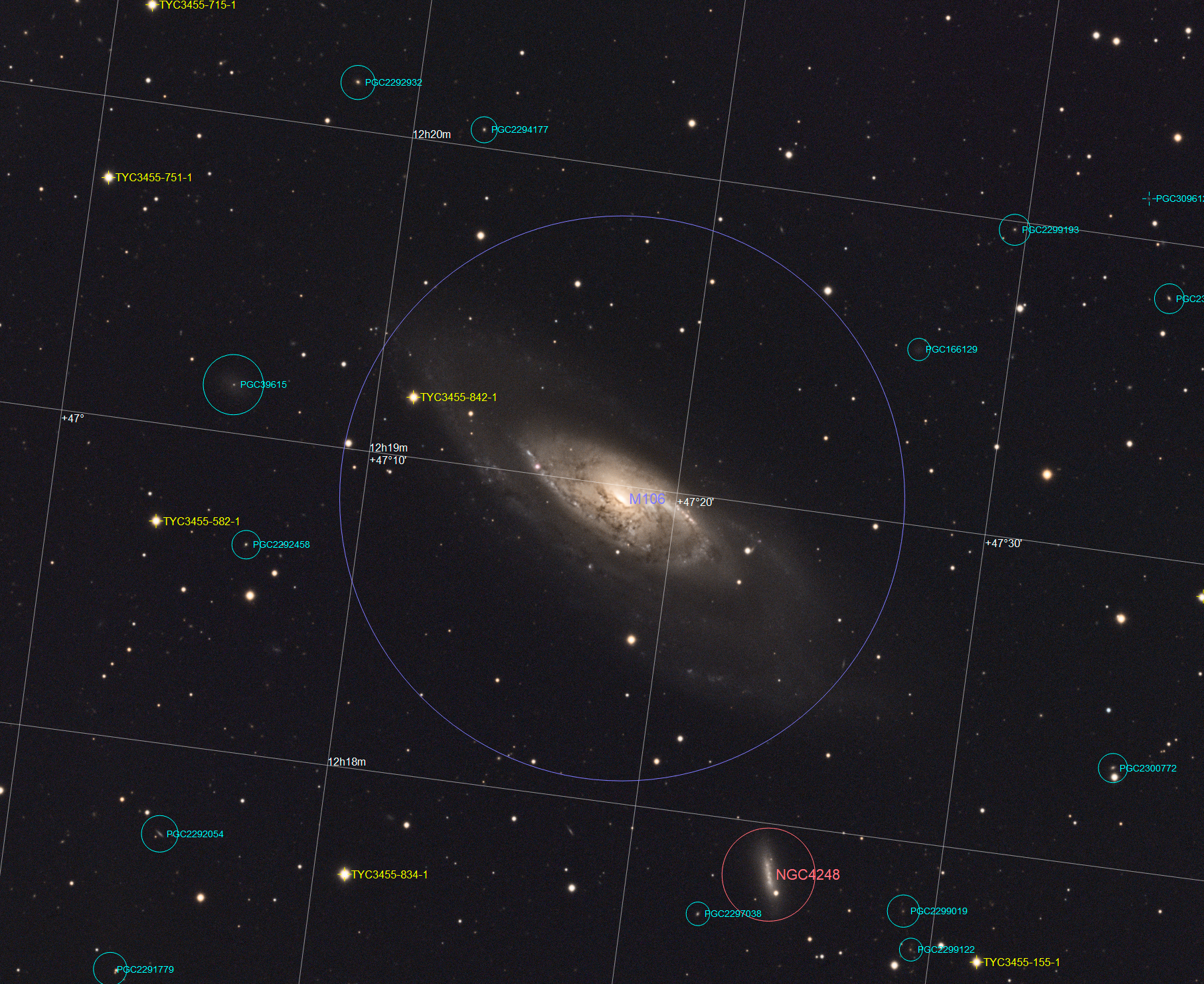
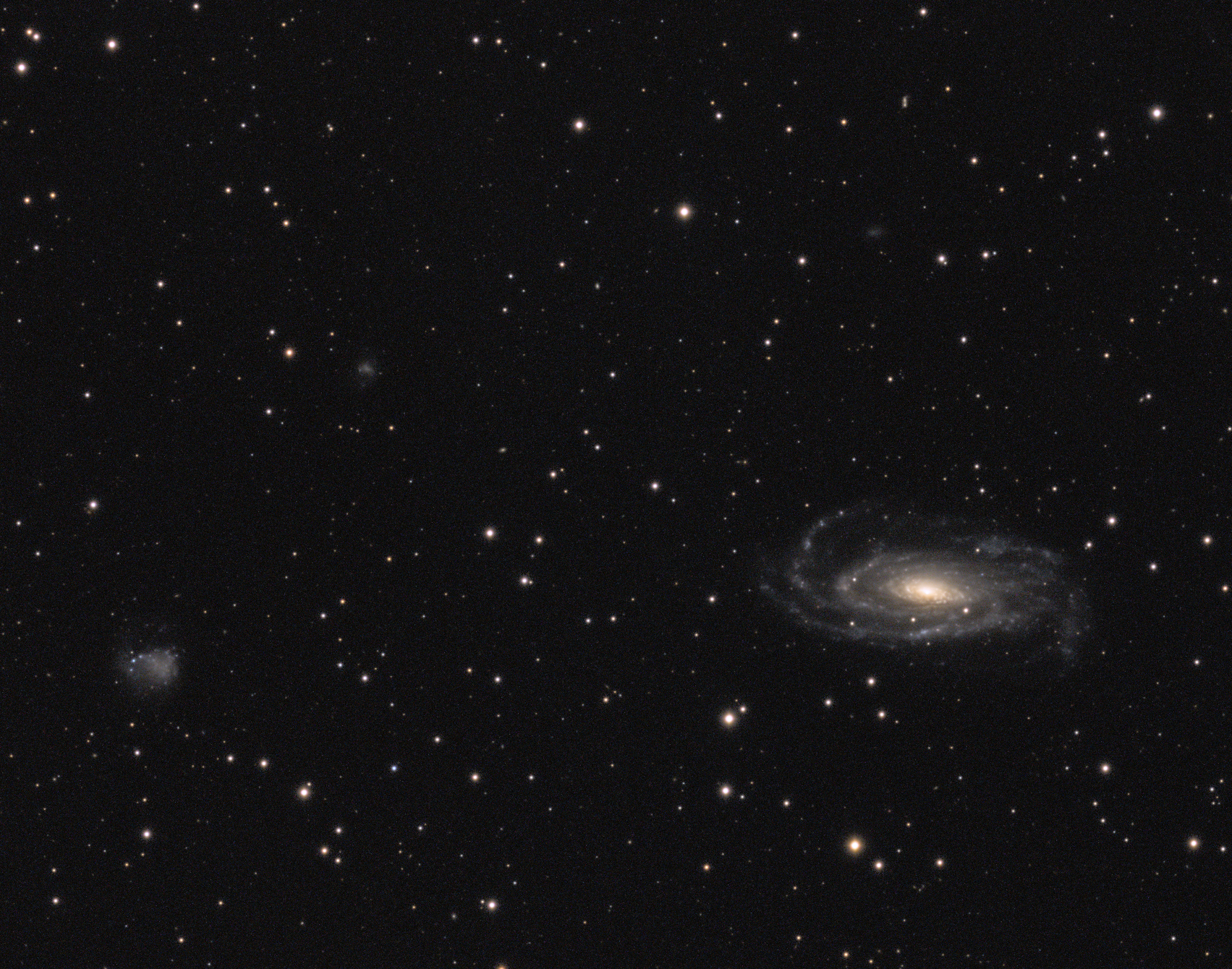
M106
M106 is an intermediate spiral galaxy in Canes Venatici with a detected supermassive black hole at it’s core. It resides approximately 22-25 million light years away. It’s one of the largest and brightest nearby galaxies.


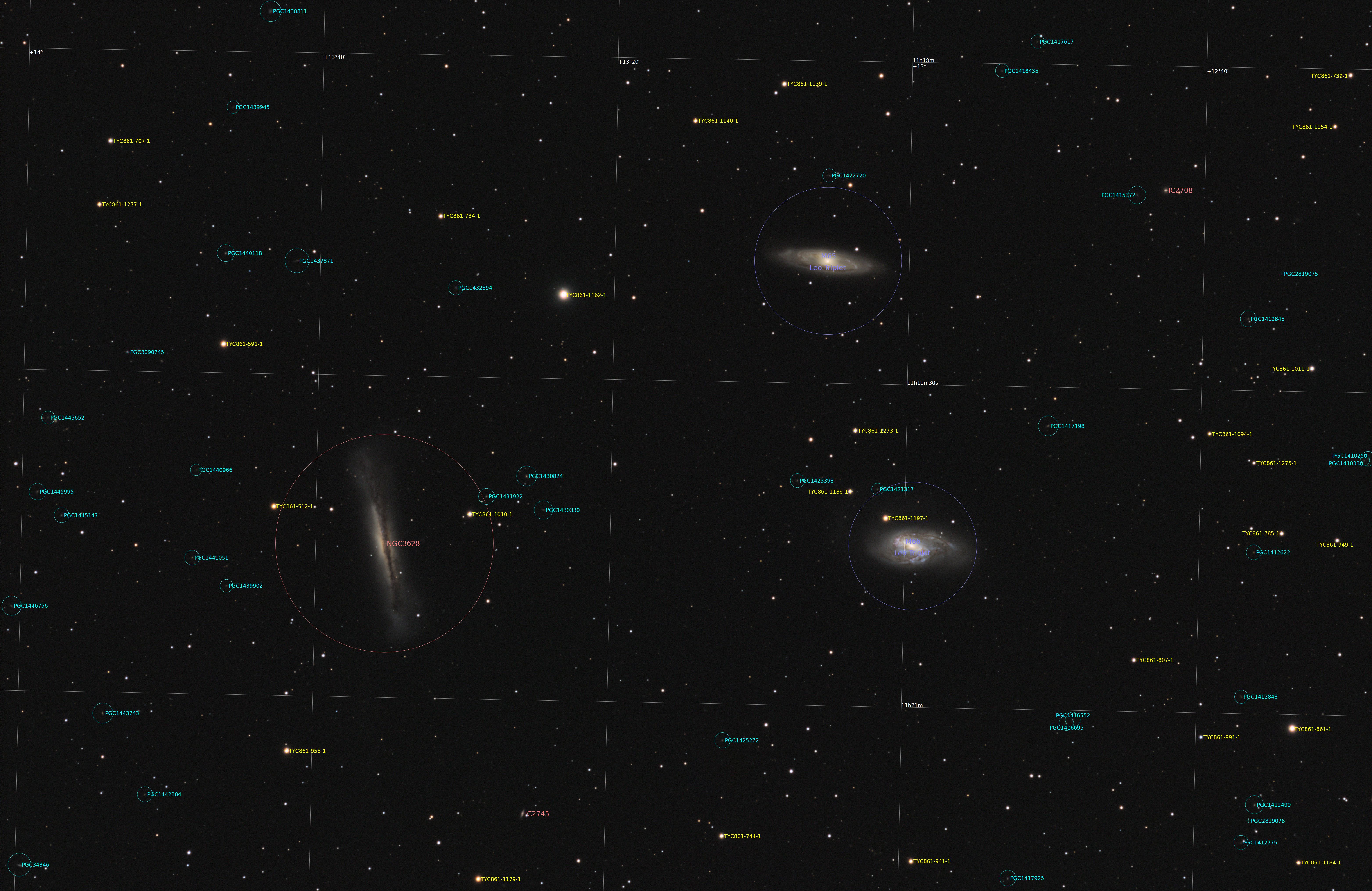
The Leo Triplet
The Leo Triplet, also known as the M66 group, contains M65, M66, and NGC 3628 commonly called the Hamburger Galaxy. The galaxy group resides approximately 35 million light years away.

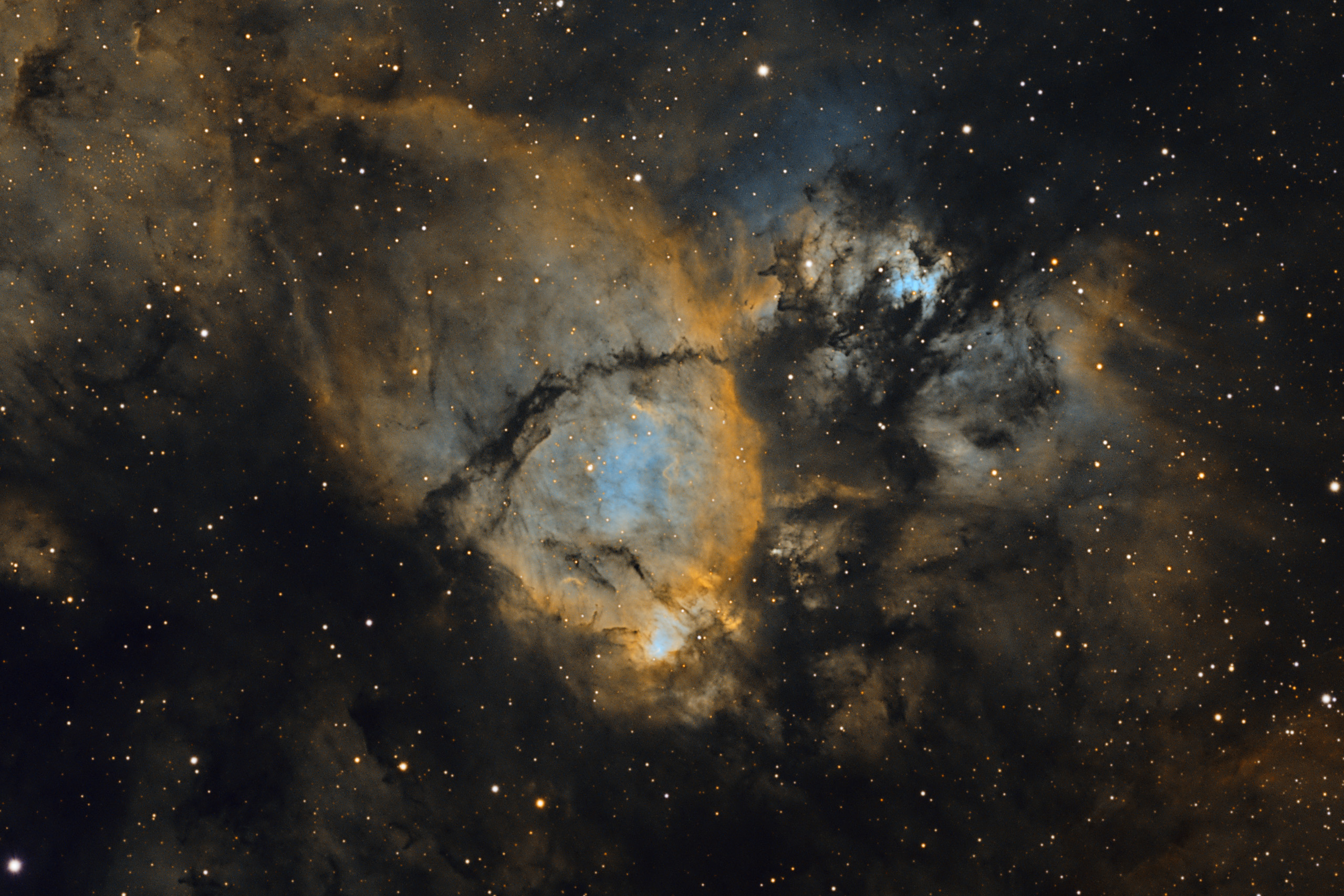
We’ve had far too many rainy days followed by isolation and the closure of astronomy parks and related facilities. Even if it cleared, we have nowhere to go. So here’s a quick reminder of the winter nebula that are leaving now not to be seen until next year. I wish I had time to do a mosaic and capture the whole nebula but I didn’t. It truly is a LARGE nebula. This image is 2.4 degrees across and could hold more than 18 full moons. (The moon varies between about 29′20″ – 34′6″ in size)
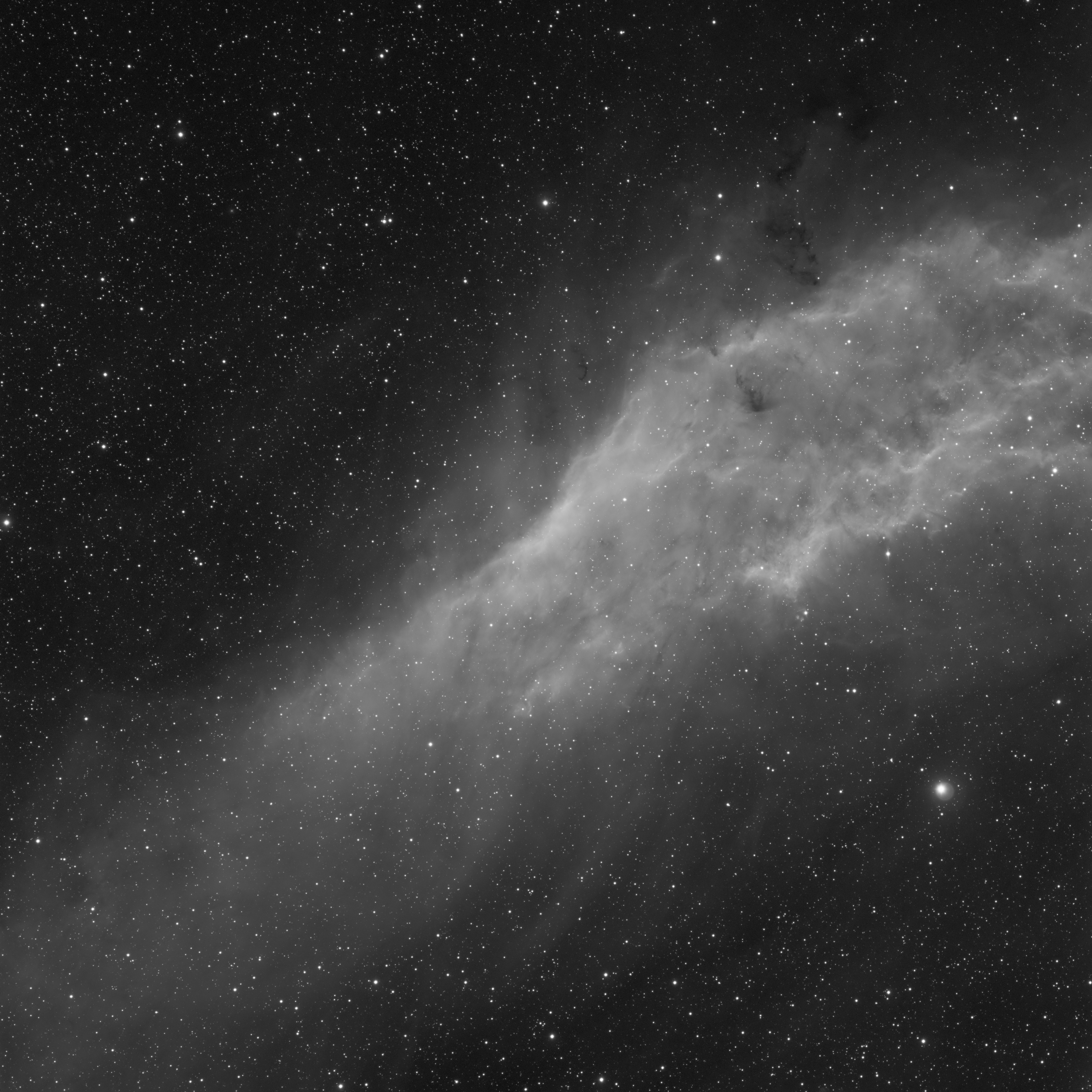
IC 1805 / Sharpless 190, more commonly known as the Heart Nebula, lies approximately 7,500 light years from Earth. This data set was comprised of 43x20min Ha, 23x20min O[III], and 24x20min S[II] for a total exposure time of 30 hours over several nights in November 2019.
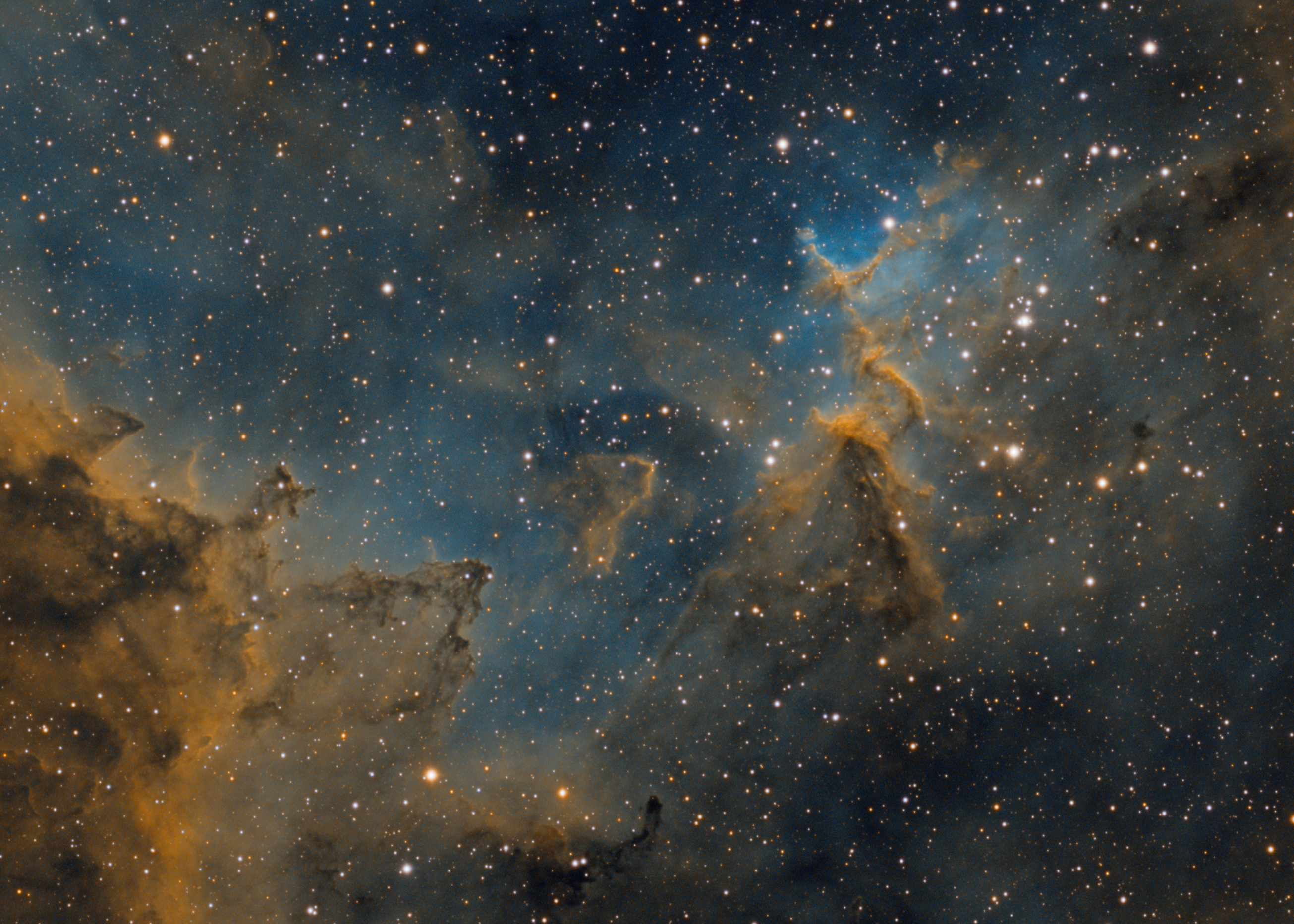
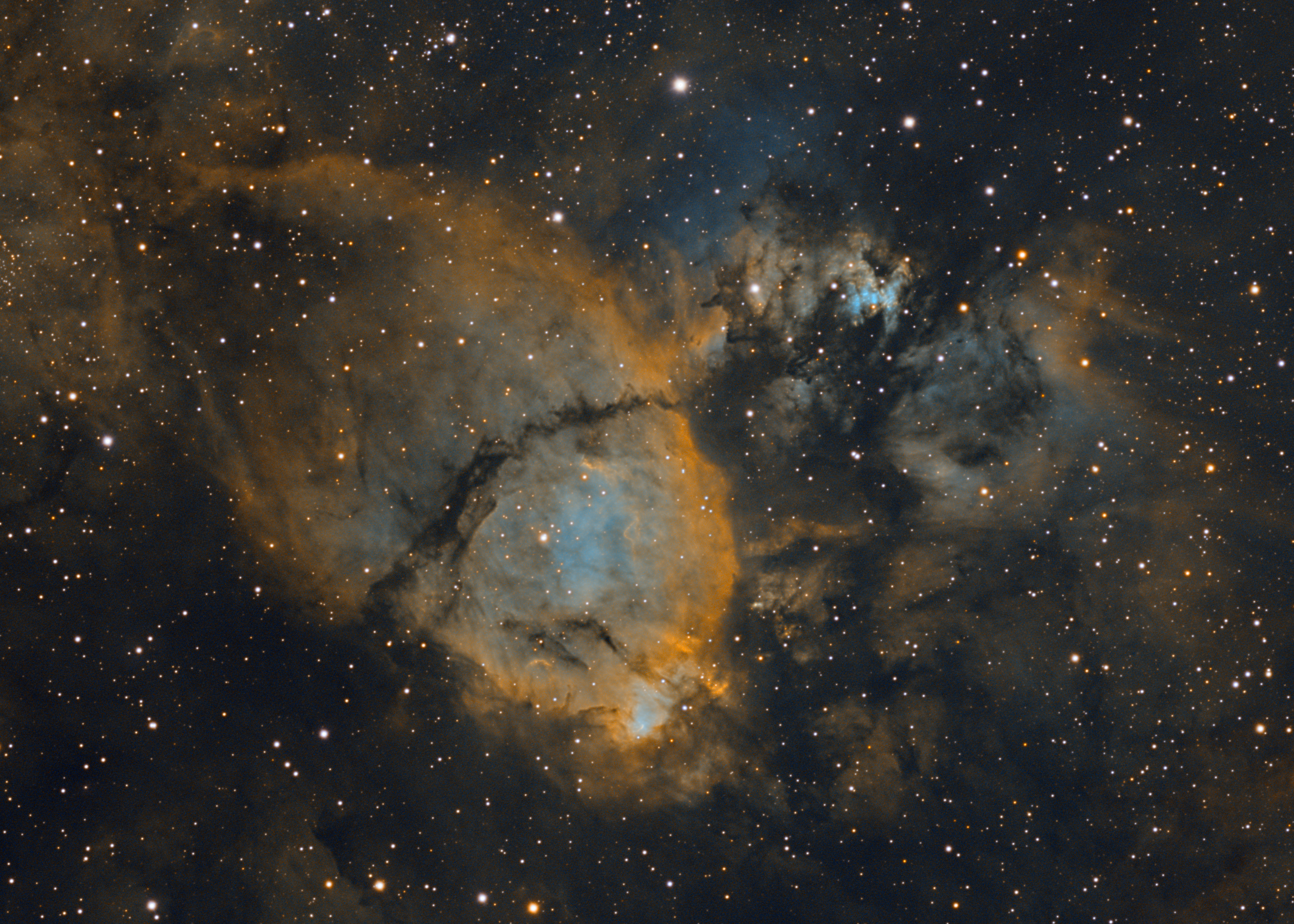
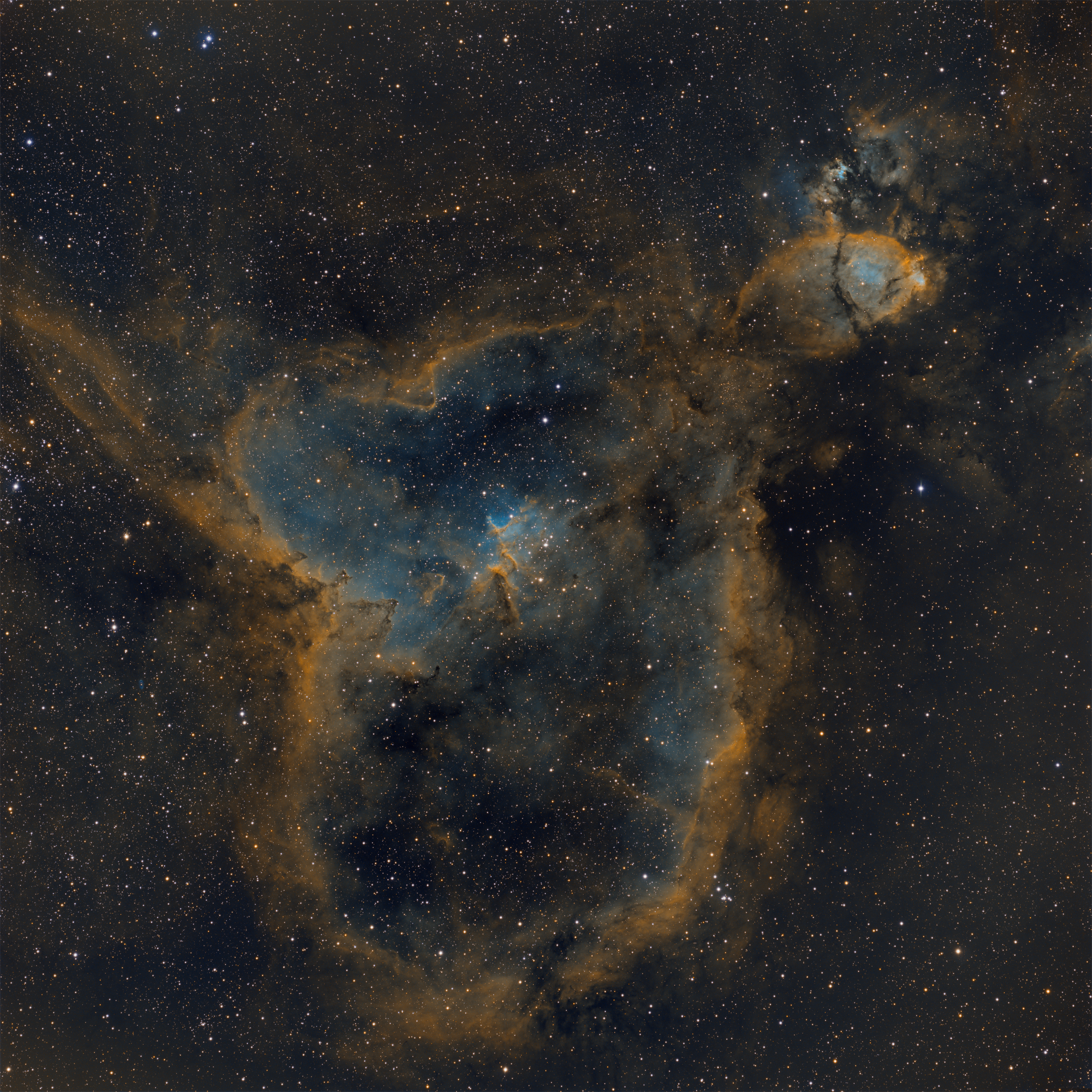
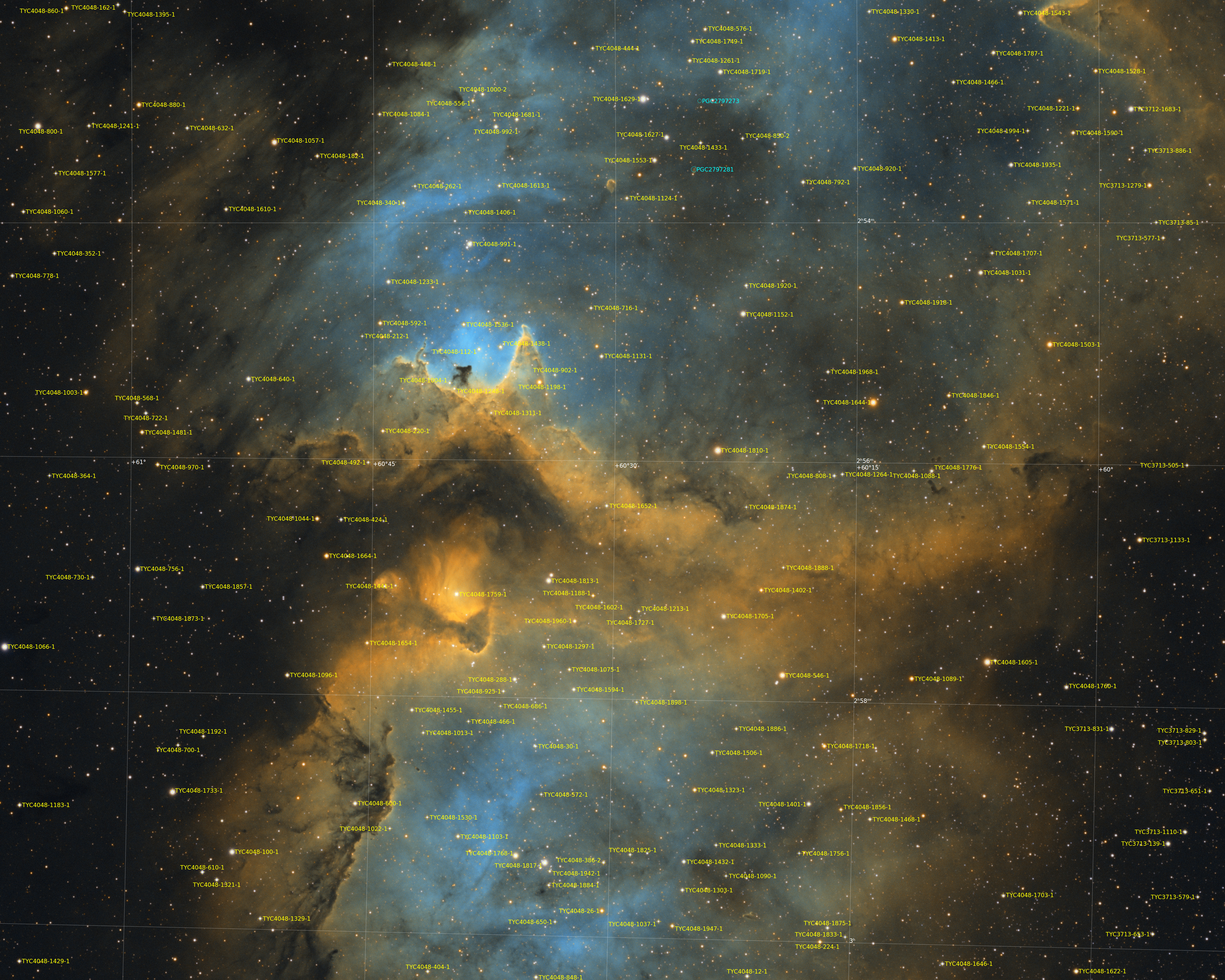
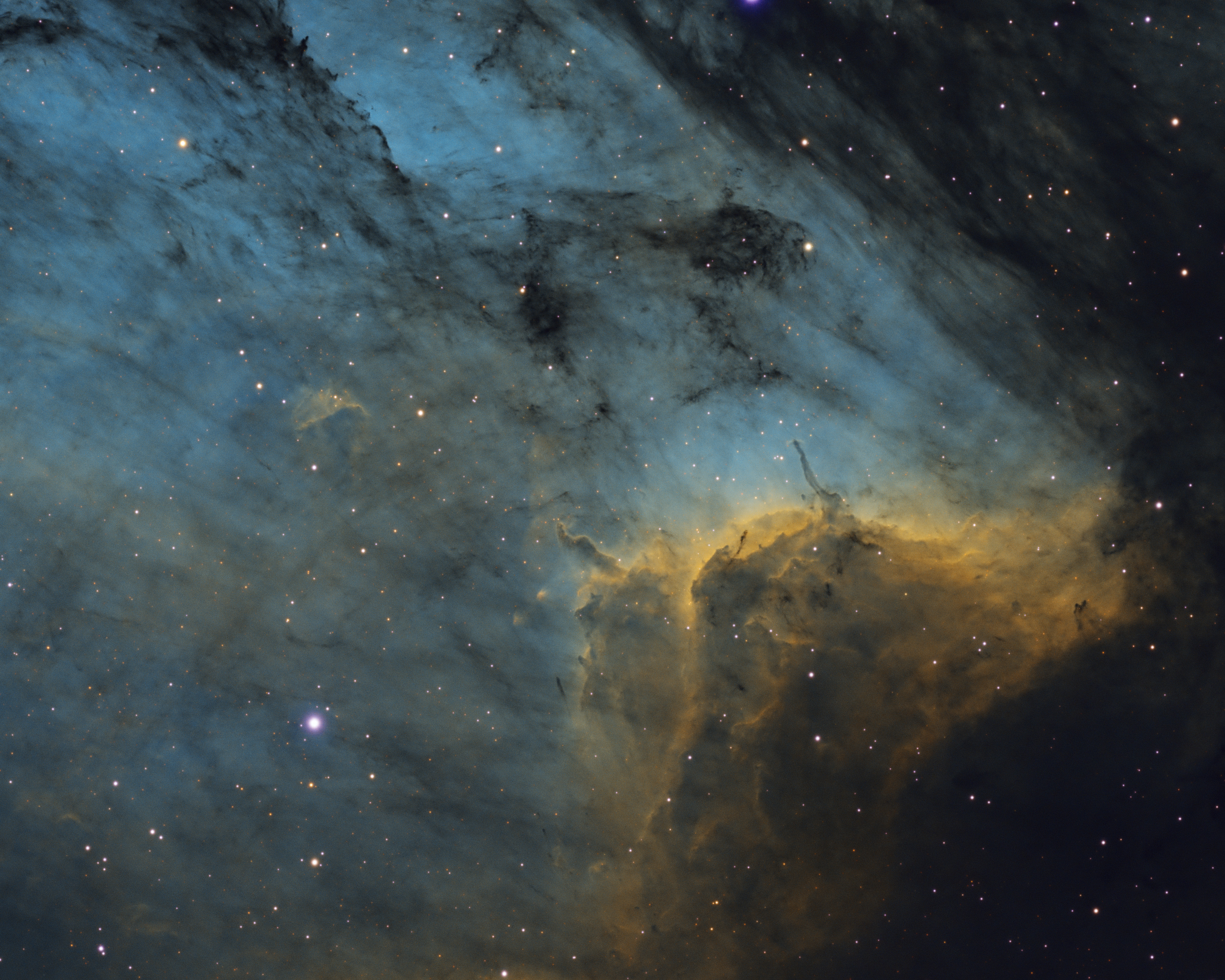
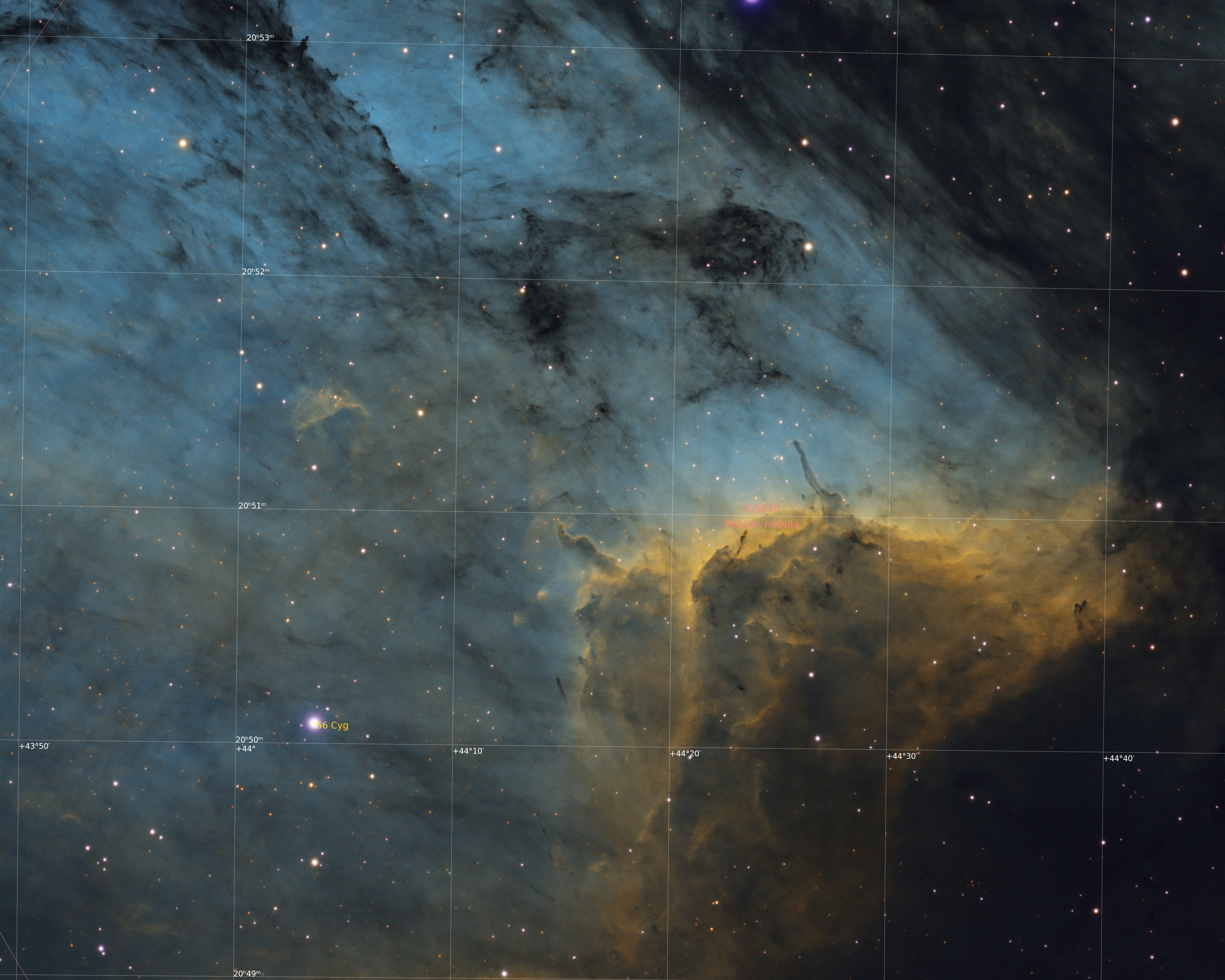
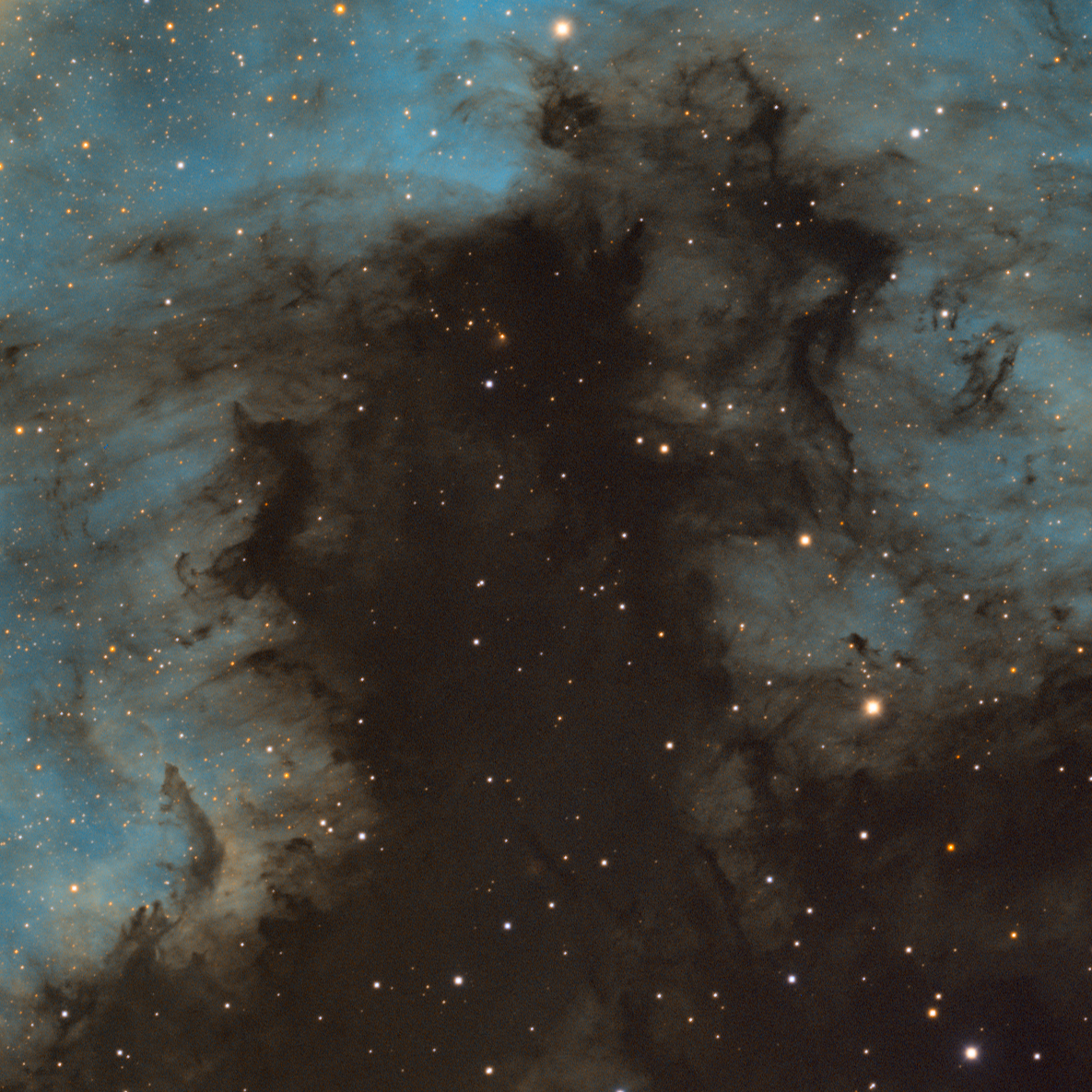
We had a great clear spell 7/23 through 7/27 with only moderate lunar interference in the early hours of the morning. This is 14 hours of exposure divided equally across Hydrogen-alpha, Oxygen [III], and Sulfur[II] emission lines. Scope was an AP130GTX with Apogee U16 CCD on an AP1200GTO mount. Located outside Clinton, TN. The following are crops from the main image.
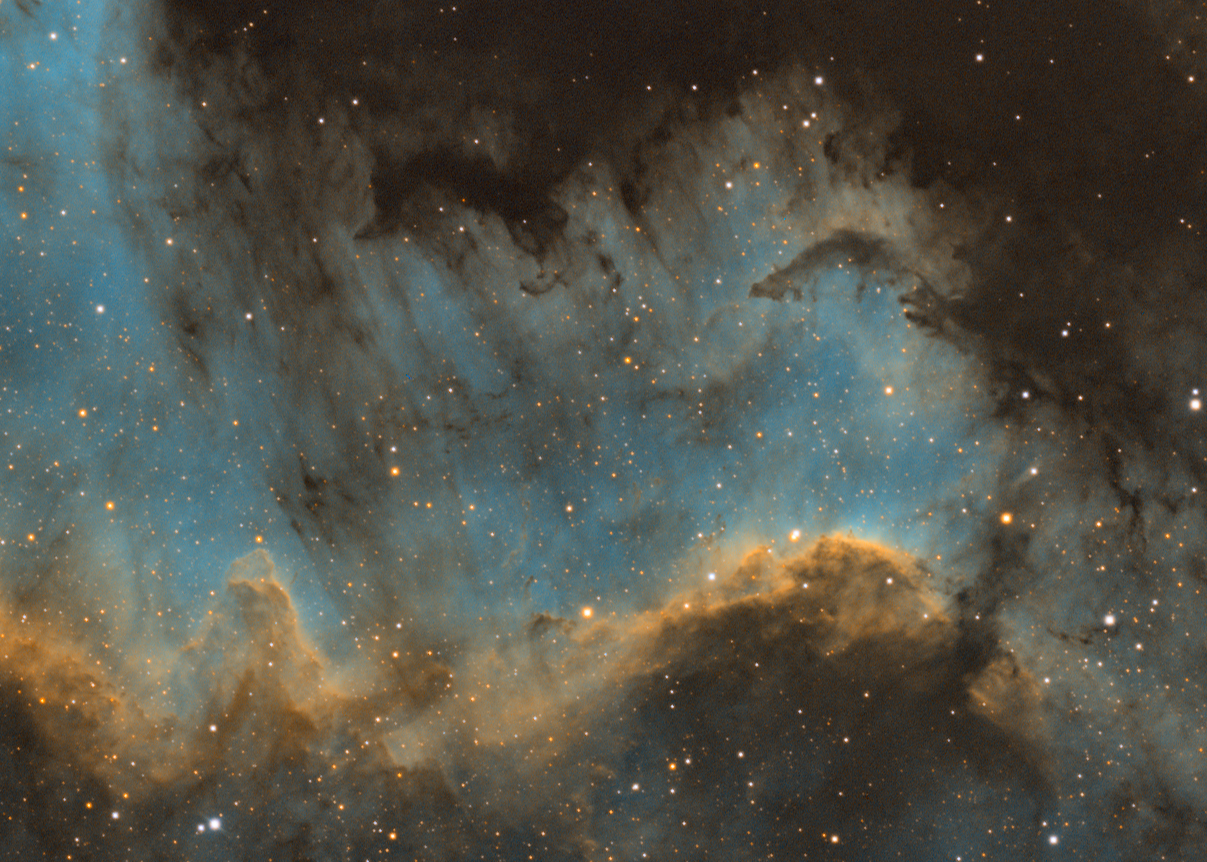
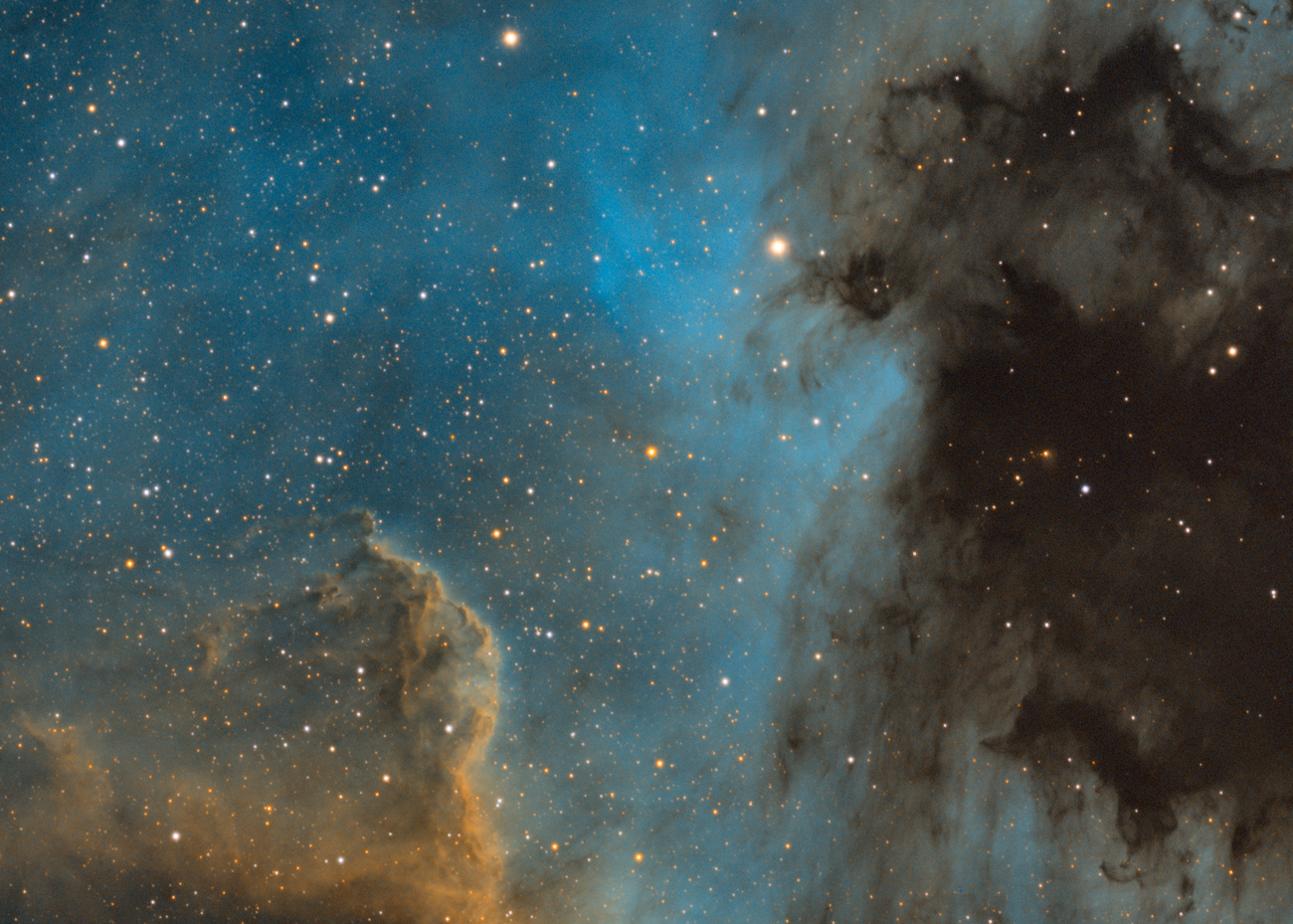
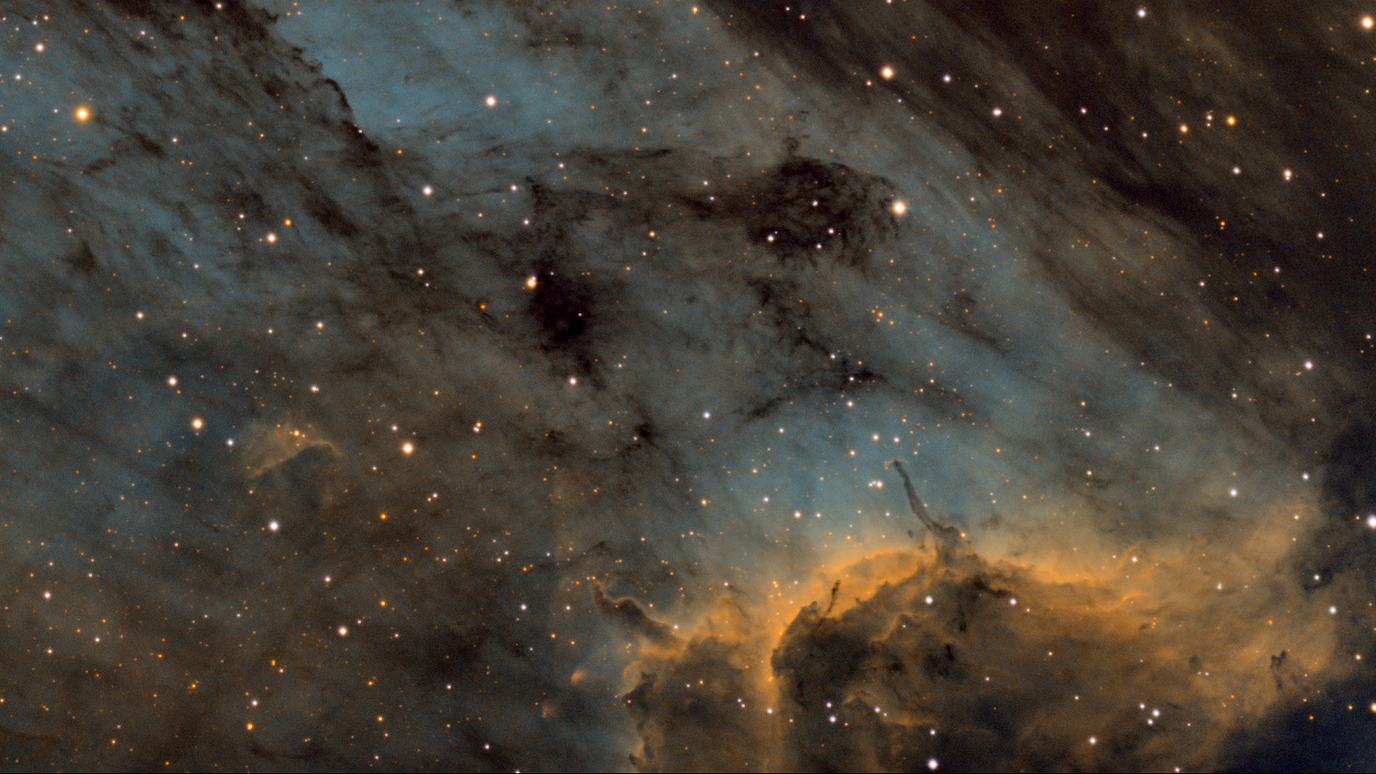
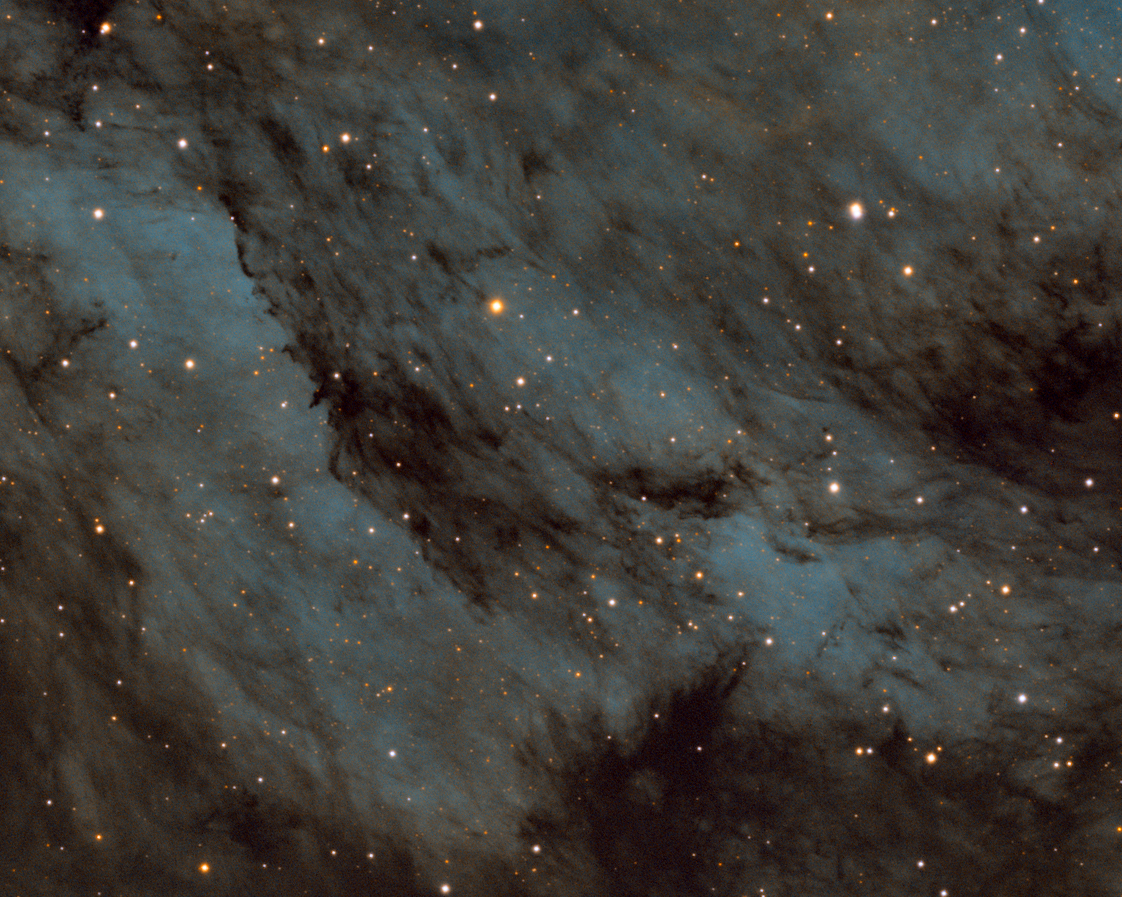
Finally, here is the nearly full frame image encompassing the whole area.
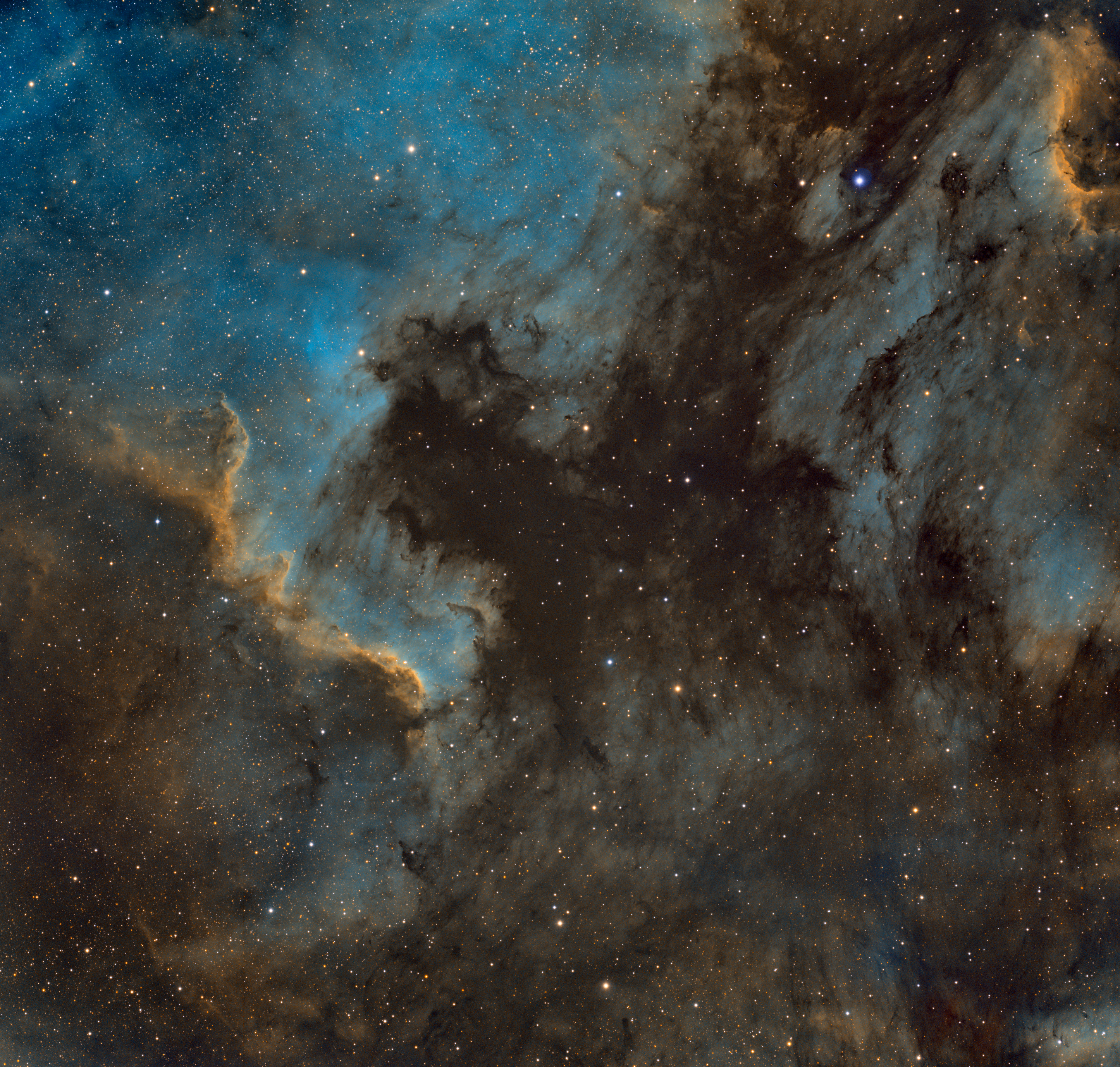
Due to a moisture breach of my camera causing frosting issues which caused me to throw out all but 4.5 hours of data out of 18 I figured I might as well post this as it’s not going to get much better. Image scale was 1.31 arcsec/pixel which seems to give fairly decent sampling for the average seeing here in East Tennessee. Imaging location just outside Clinton, TN with average SQM measurements ranging from 20.1 to 20.4 mag/arcsec^2.