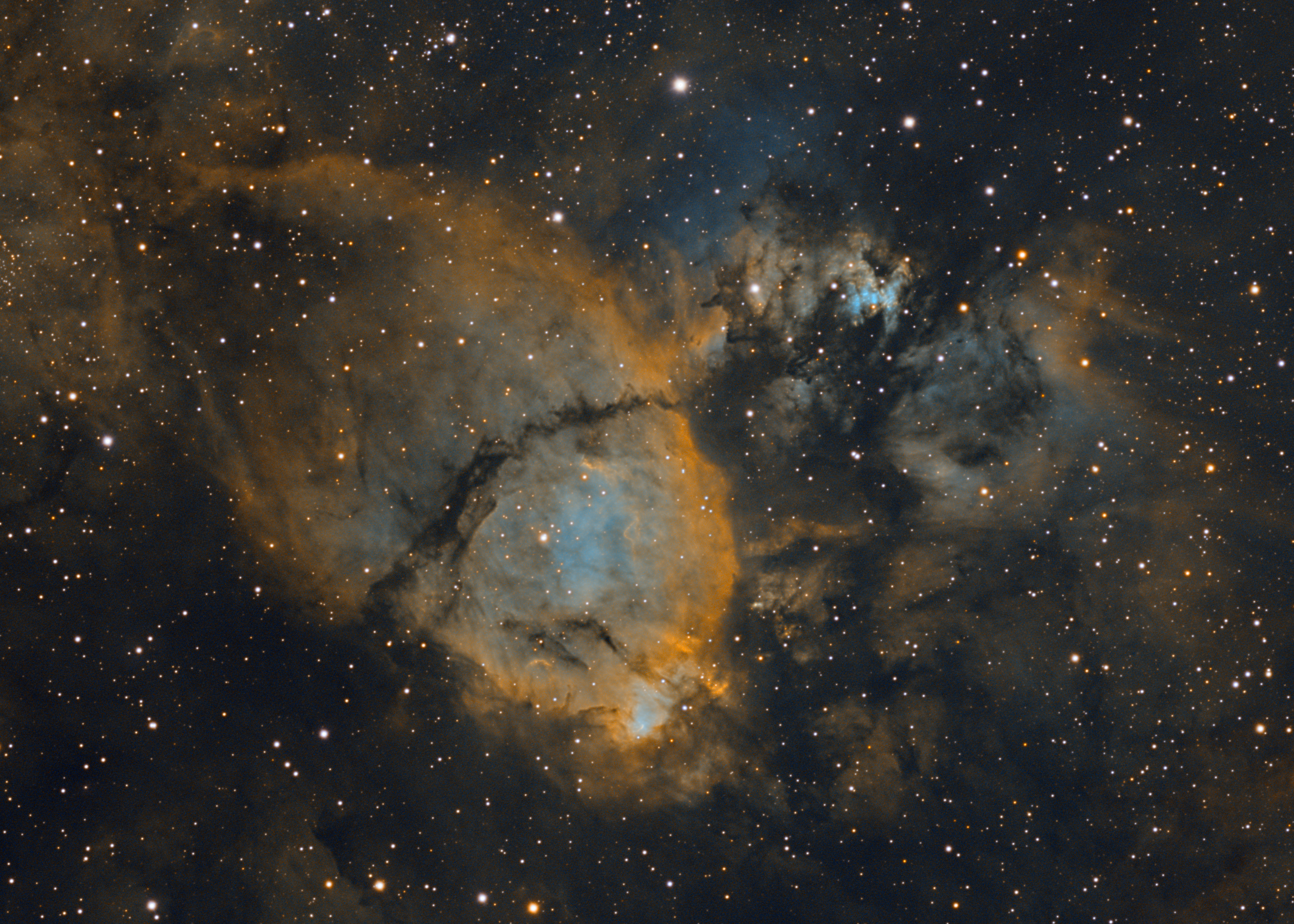
NGC 1499 – The California Nebula

We’ve had far too many rainy days followed by isolation and the closure of astronomy parks and related facilities. Even if it cleared, we have nowhere to go. So here’s a quick reminder of the winter nebula that are leaving now not to be seen until next year. I wish I had time to do a mosaic and capture the whole nebula but I didn’t. It truly is a LARGE nebula. This image is 2.4 degrees across and could hold more than 18 full moons. (The moon varies between about 29′20″ – 34′6″ in size)
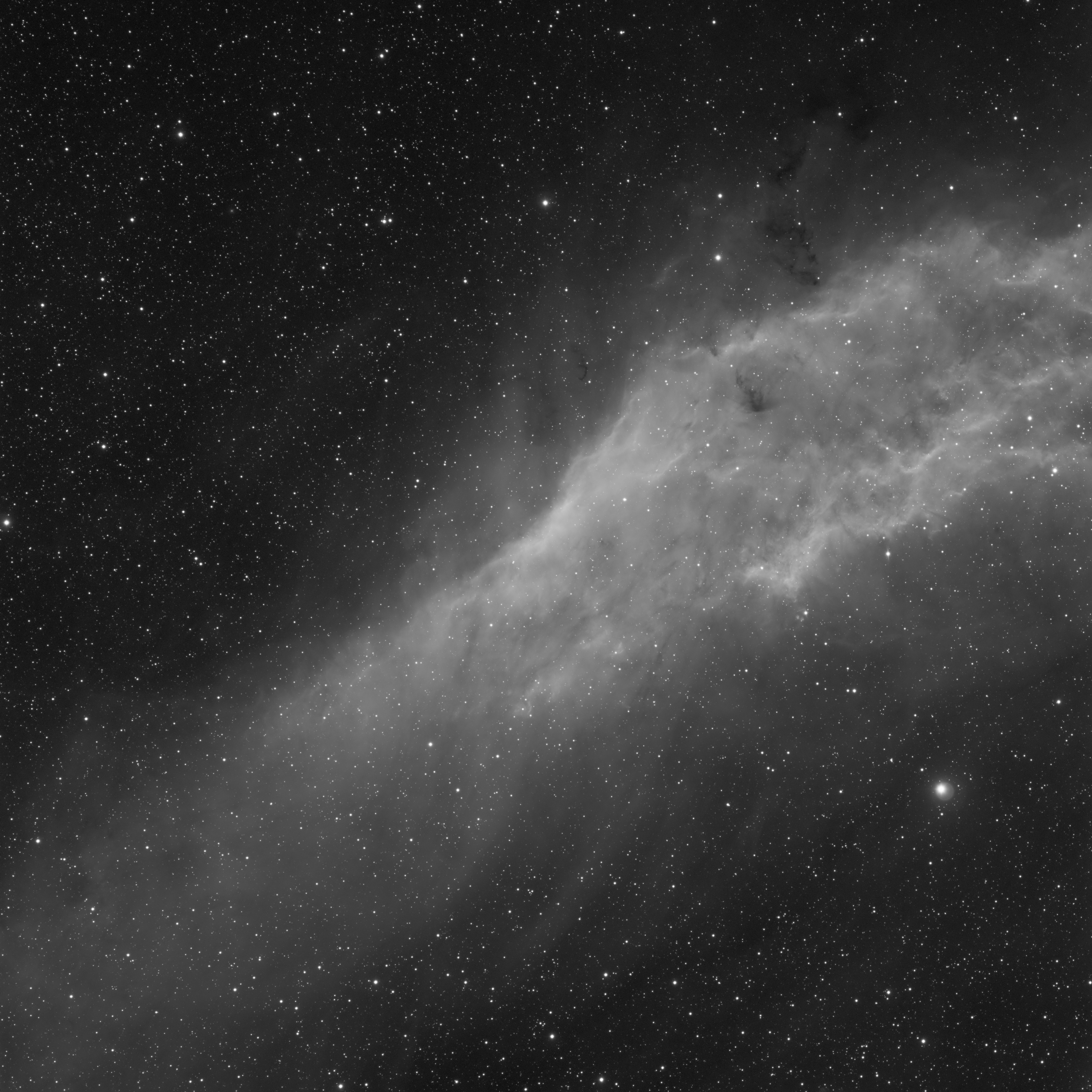
NGC 1499
AP130GTX, Apogee U16M, 14x20min HA
Clinton, TN
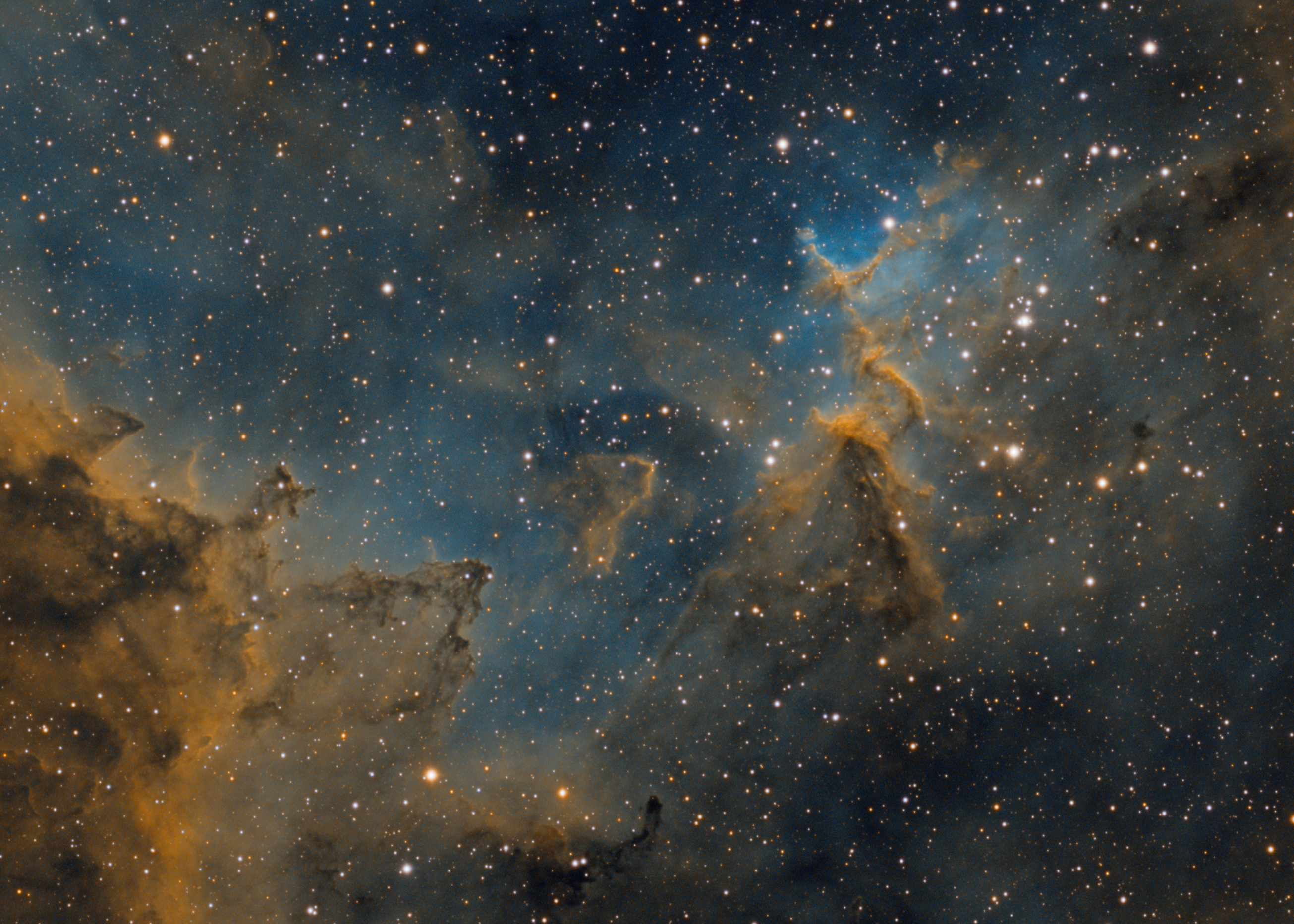
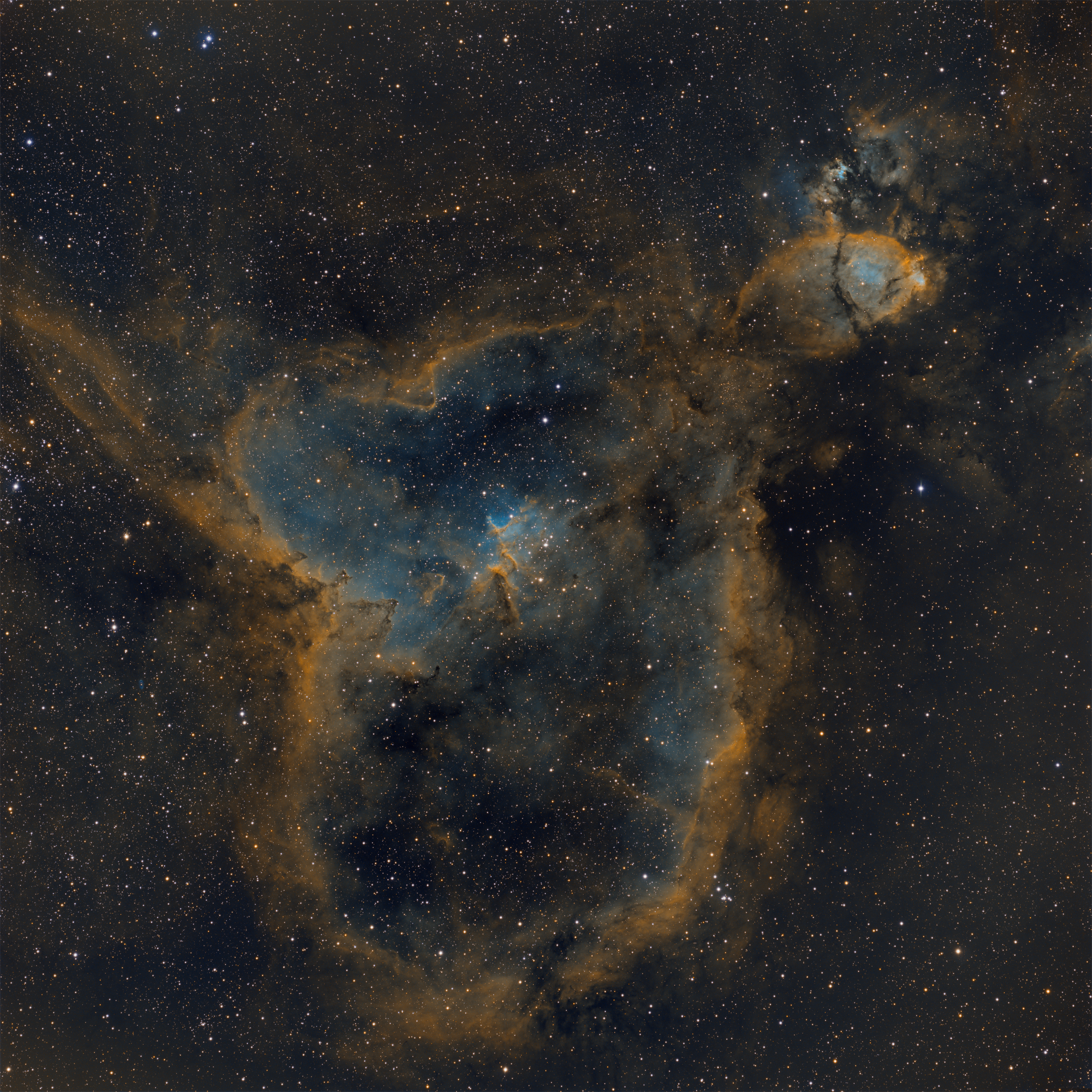
IC 1805 / SH2-190 The Heart Nebula

IC 1805 / Sharpless 190, more commonly known as the Heart Nebula, lies approximately 7,500 light years from Earth. This data set was comprised of 43x20min Ha, 23x20min O[III], and 24x20min S[II] for a total exposure time of 30 hours over several nights in November 2019.

Melotte 15 – The open star cluster that lies at the center of IC 1805 and provides the radiation that gives the nebula it’s soft glow.
NGC 896 – The brightest part of the Heart Nebula; it was cataloged separately because it was the first part of the Heart Nebula to be discovered.
The Heart Nebula – This image spans almost 2.6 degrees x 2.6 degrees. For scale, it would take 27 full moons to fill this field of view.

Informal Calhoun County Park Fall Star Party 2019

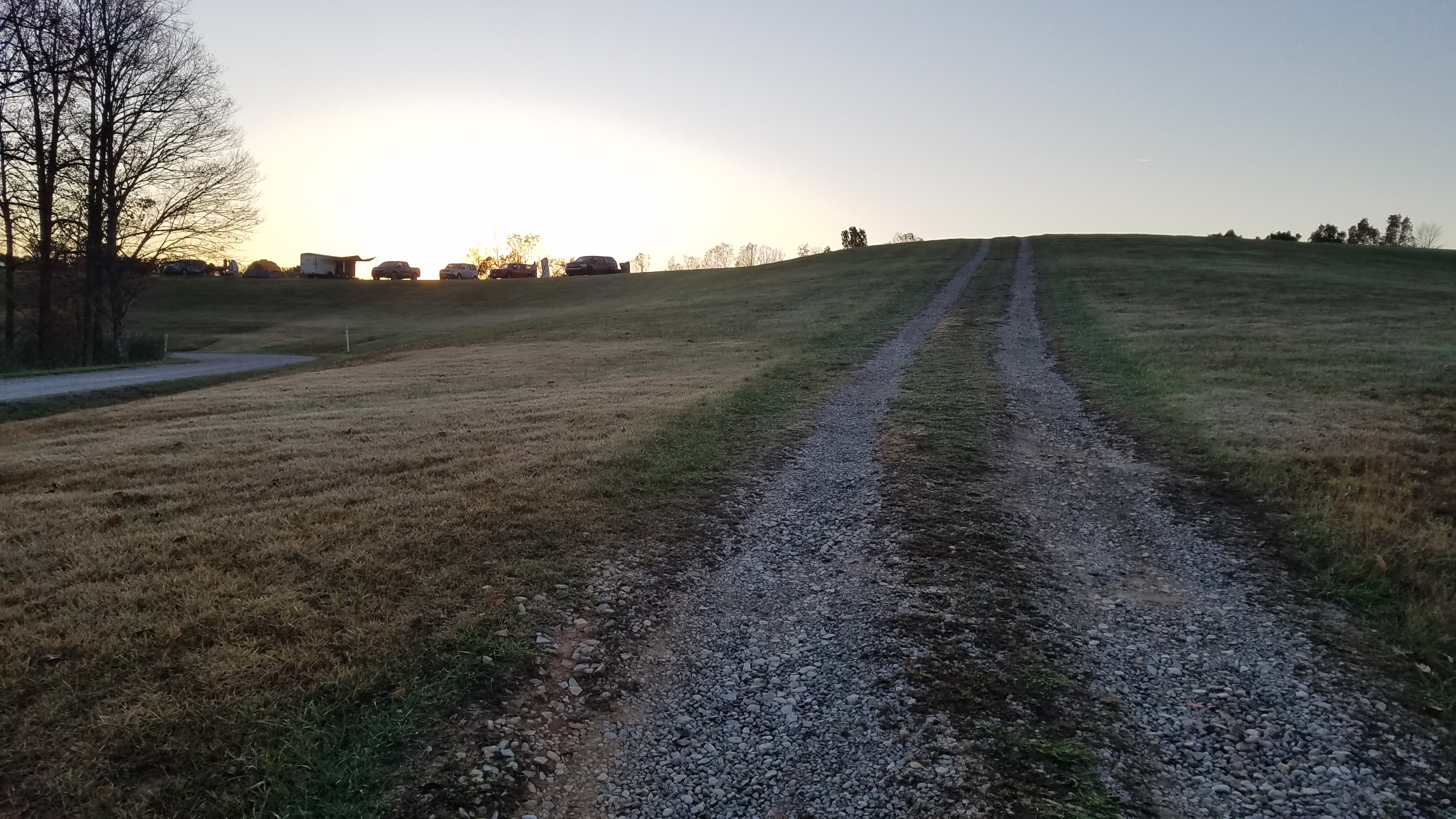
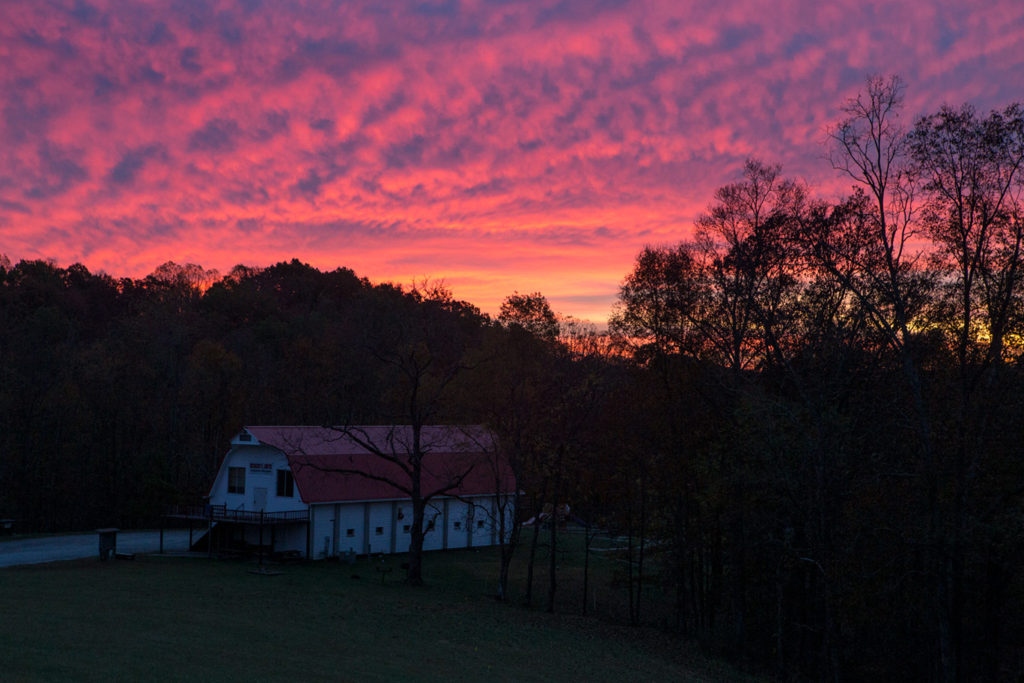
Road to the Observing Ridge at Dawn Thursday Morning

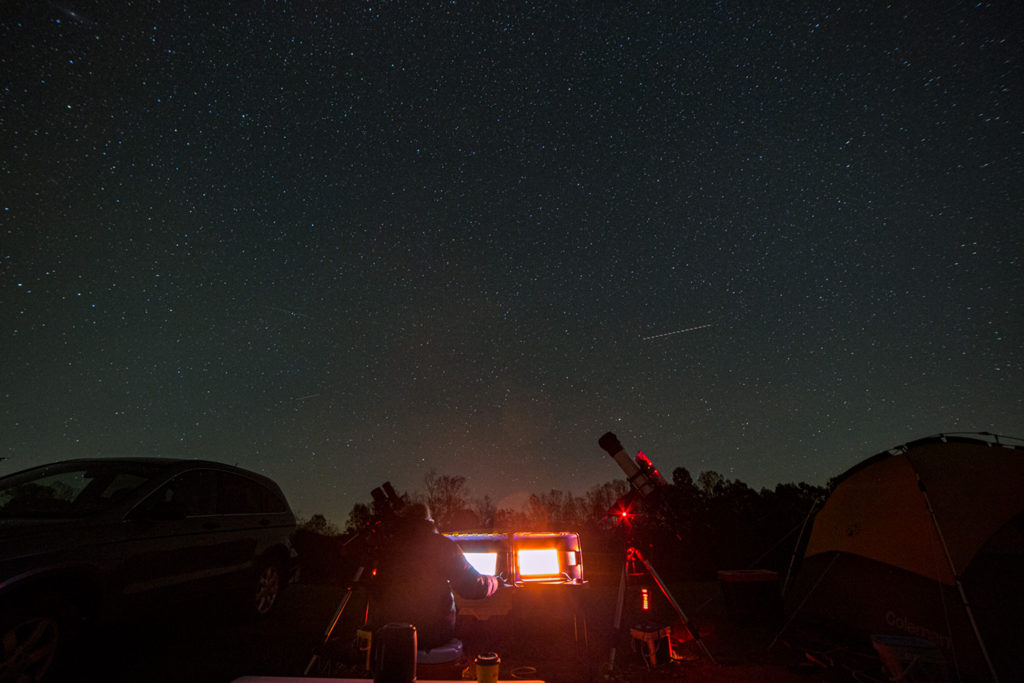
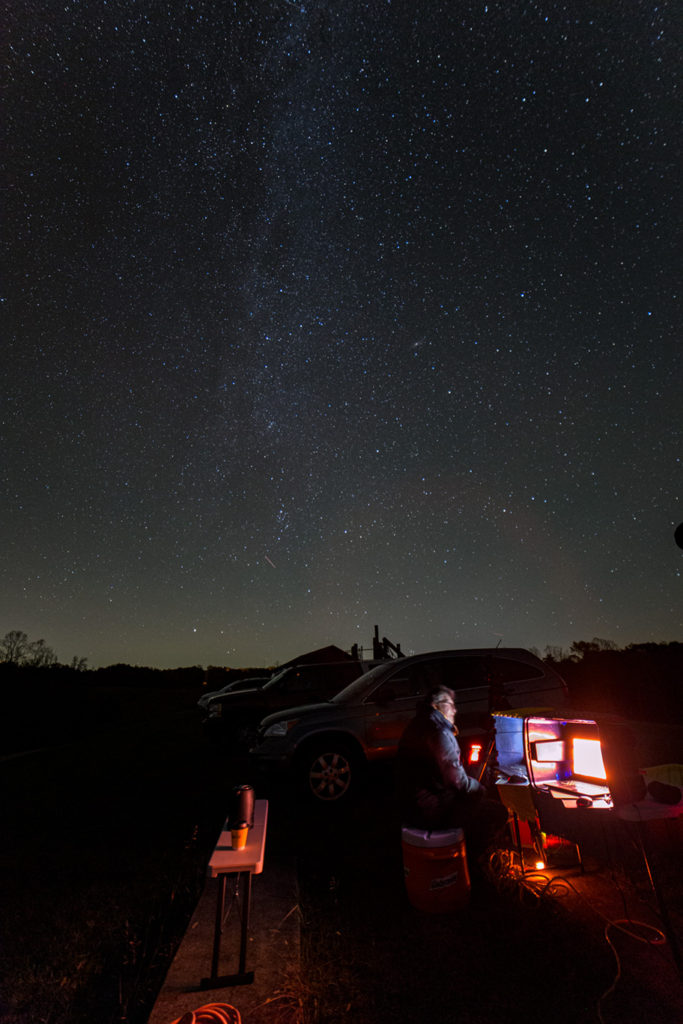
After missing the BFSP at Cherry Springs State Park, PA last new moon we were anxious to get out for one last hurah for the year. Weather looked great initially from midweek into the weekend but rapidly went downhill as we got closer to the weekend. We did however have an amazingly clear Weds night and clear until 3:00am or so on Thursday.

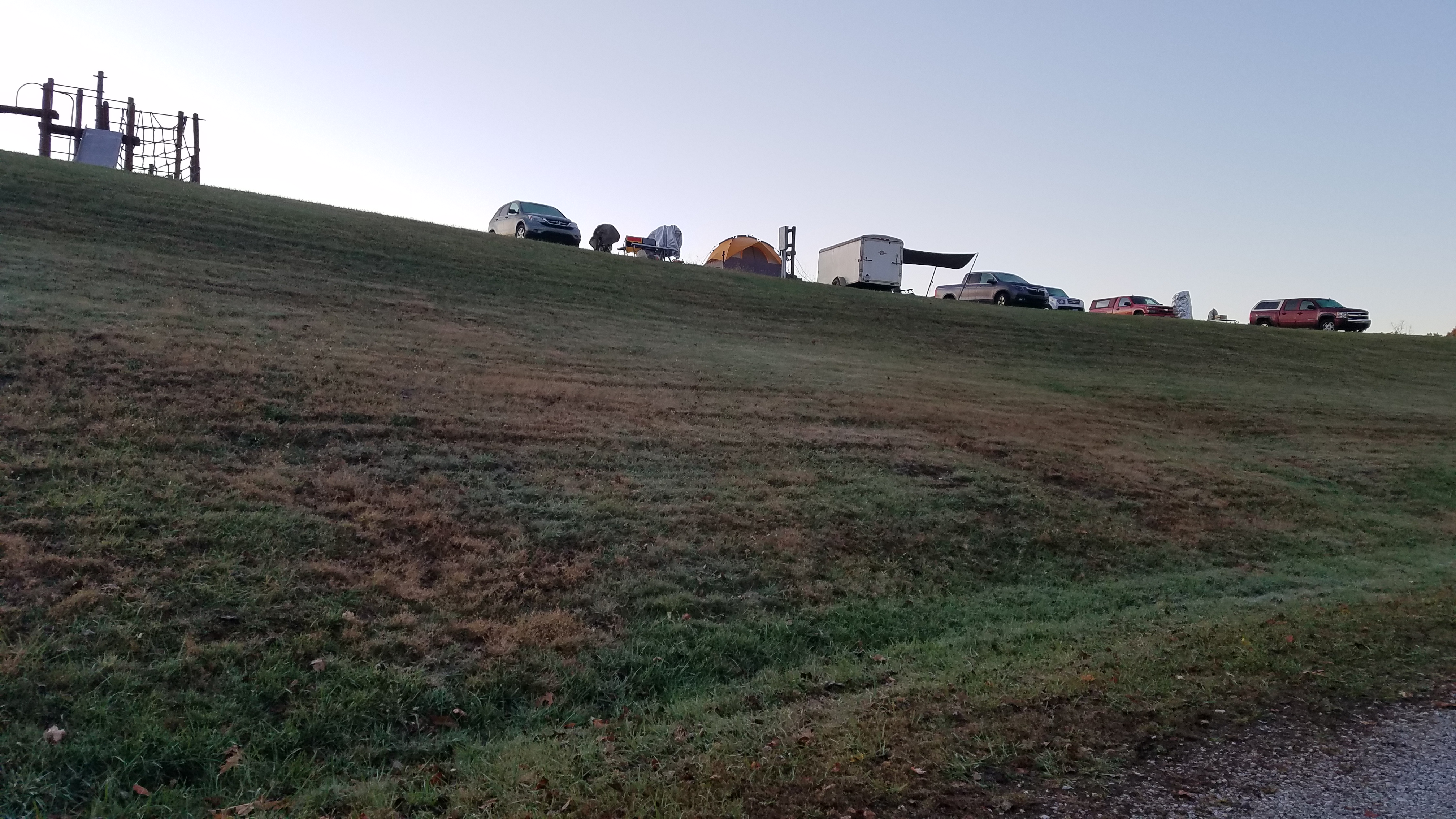
Observers on the Ridge on Thursday Morning

Friday morning arrived with clouds and slightly warmer temps (no frost) than Thursday morning. The sunrise was spectacular.

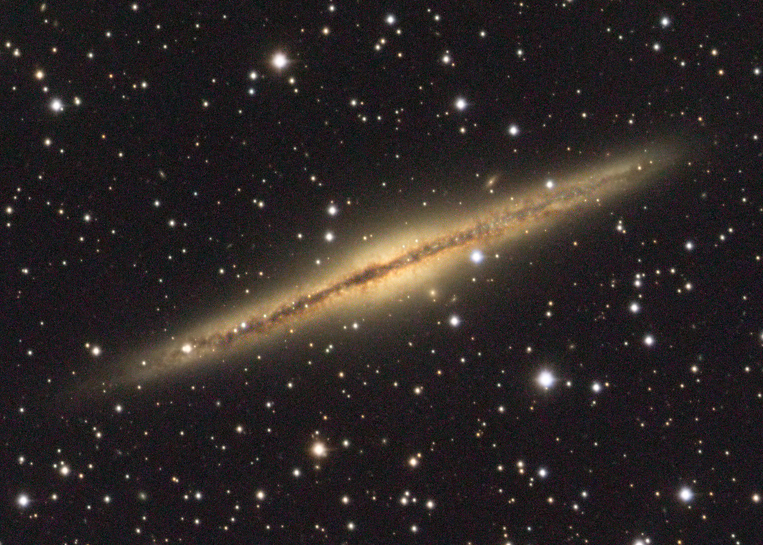
I am not a galaxy imager. I’m at home with short refractors imaging large nebula in our own galaxy. Spring and Fall are more or less galaxy season though if you want to be able to image the same object the majority of these longer nights. So I picked out a decent size bright galaxy and dusted off the long f/ratio 5″ refractor and gave it a try. It’s not without it’s problems but nice to see a 28 year old refractor still collecting photons!

Crop of Galaxy NGC 891
Click image for full size
NGC 891 – Full Frame (minor crop)
5.3 hours of Lum, 5.5 hours RGB
AP130EDT f/8 with SX-46 CCD on AP900GTO
Click image for full size
Annotated NGC 891
Click image for full size