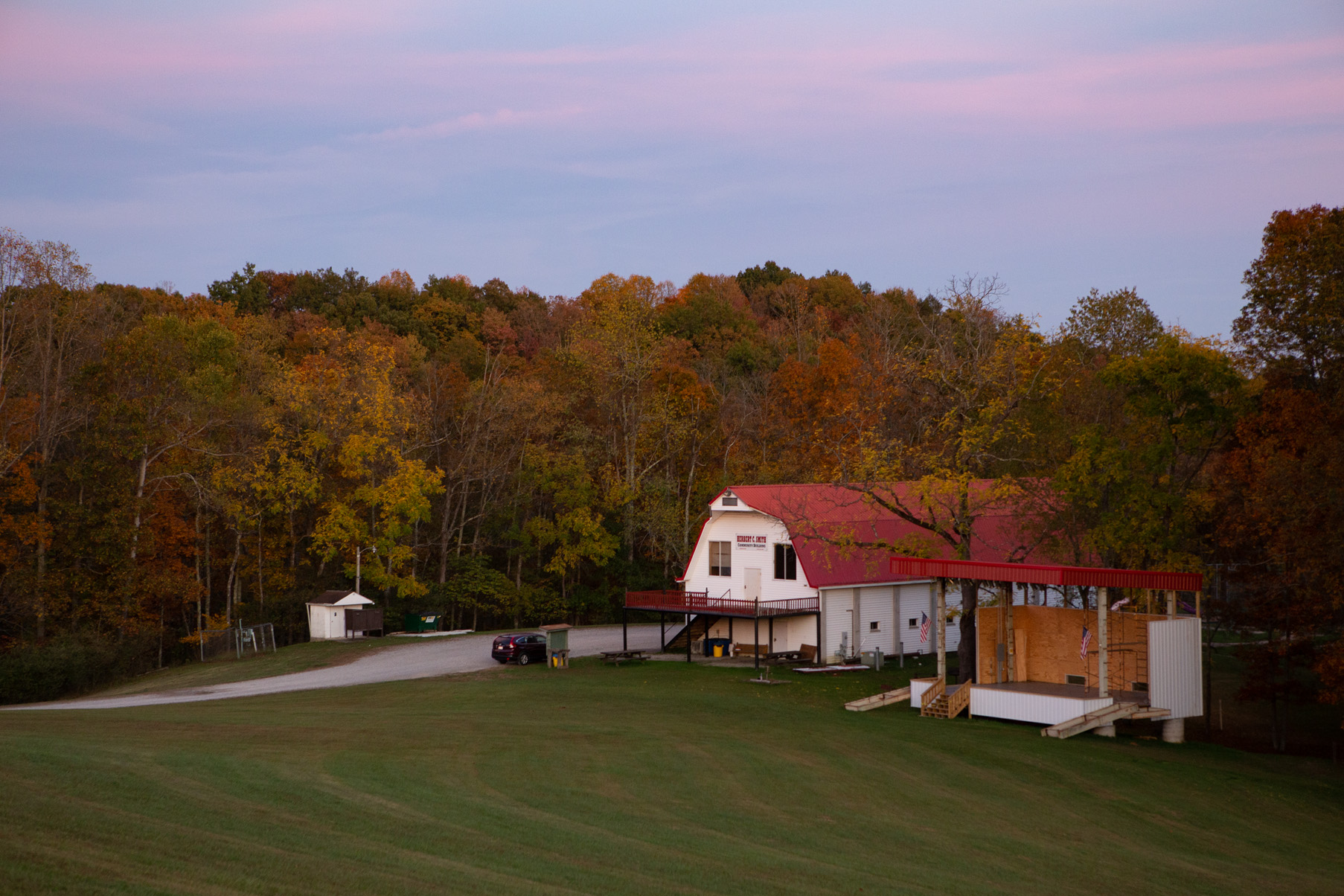
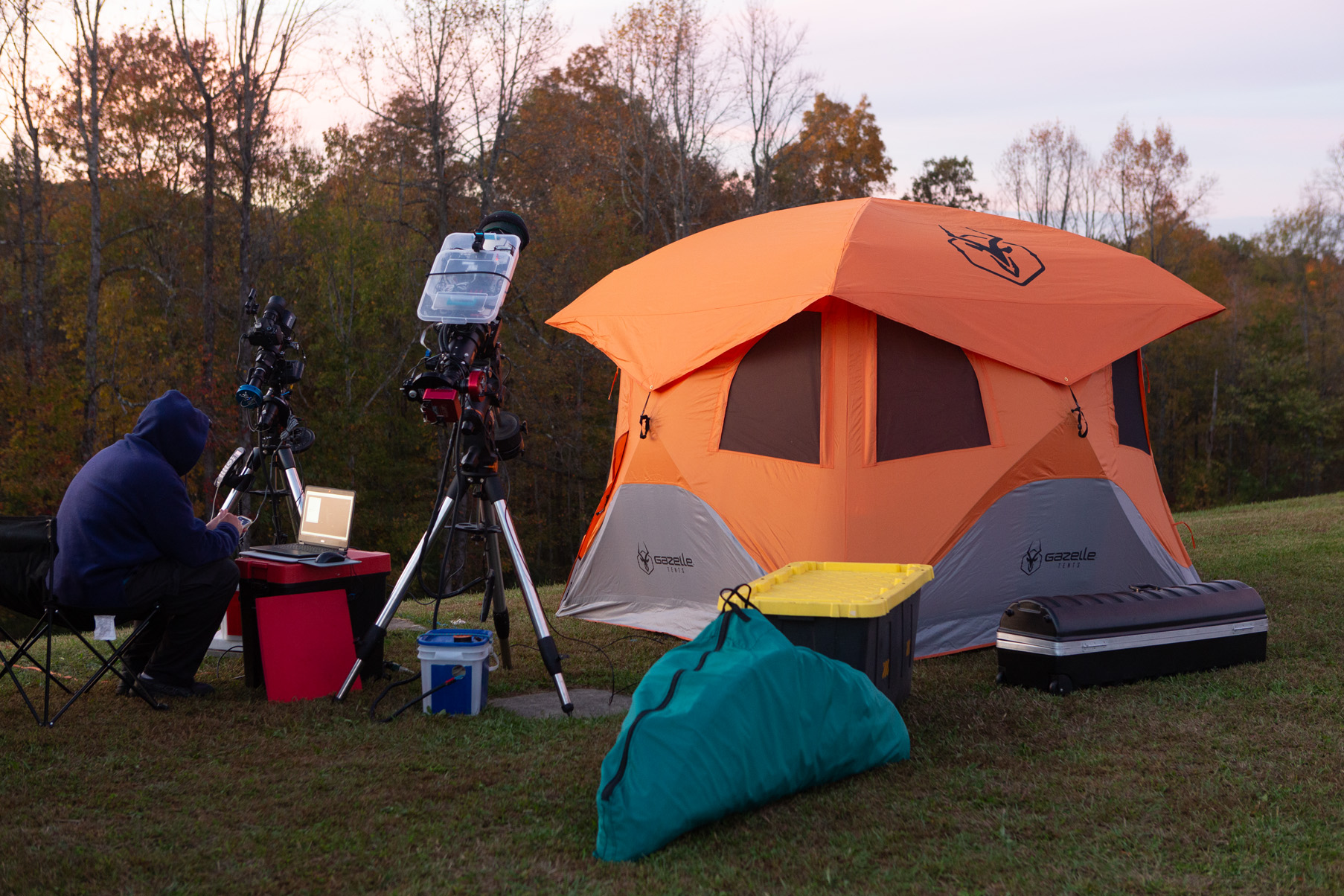
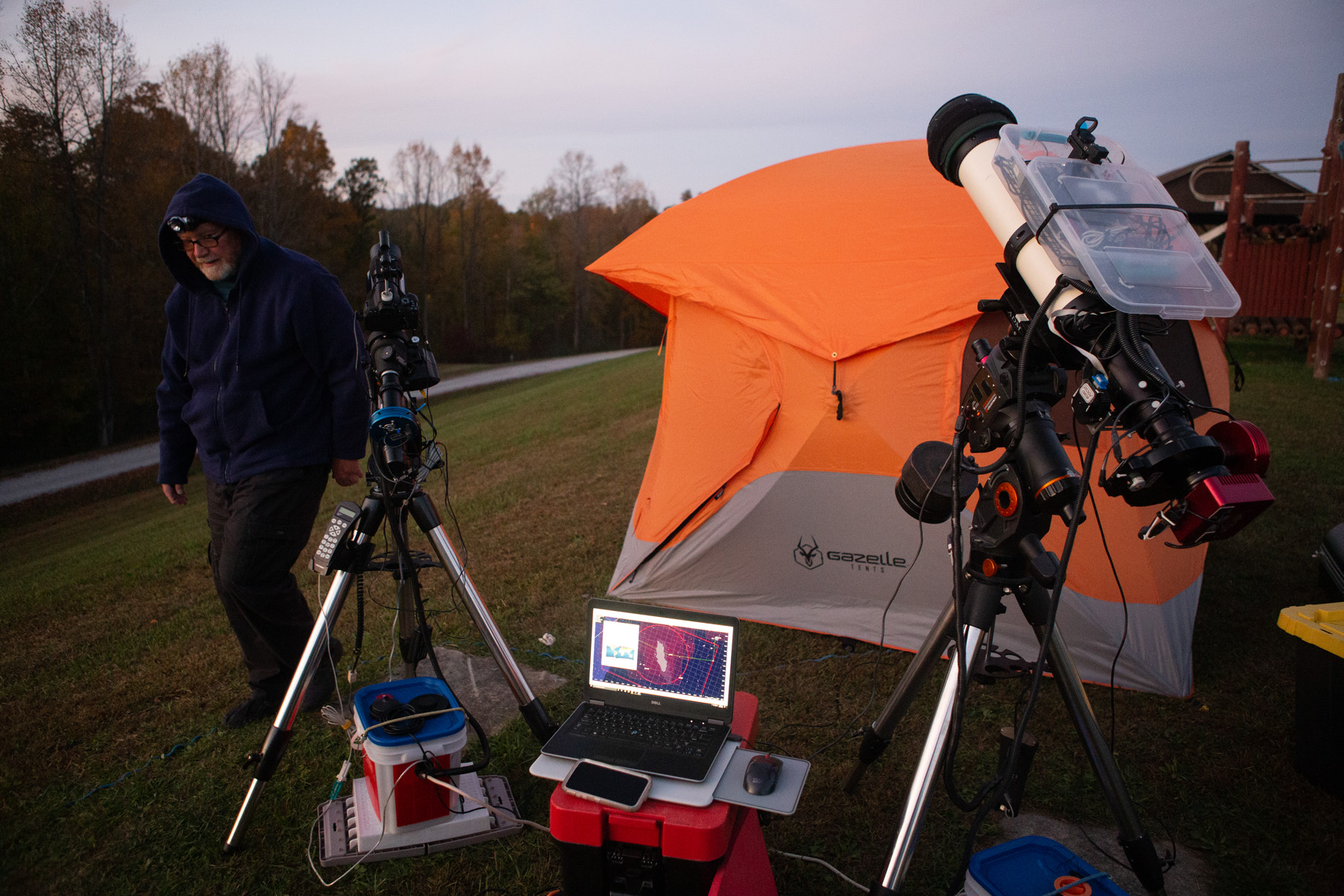
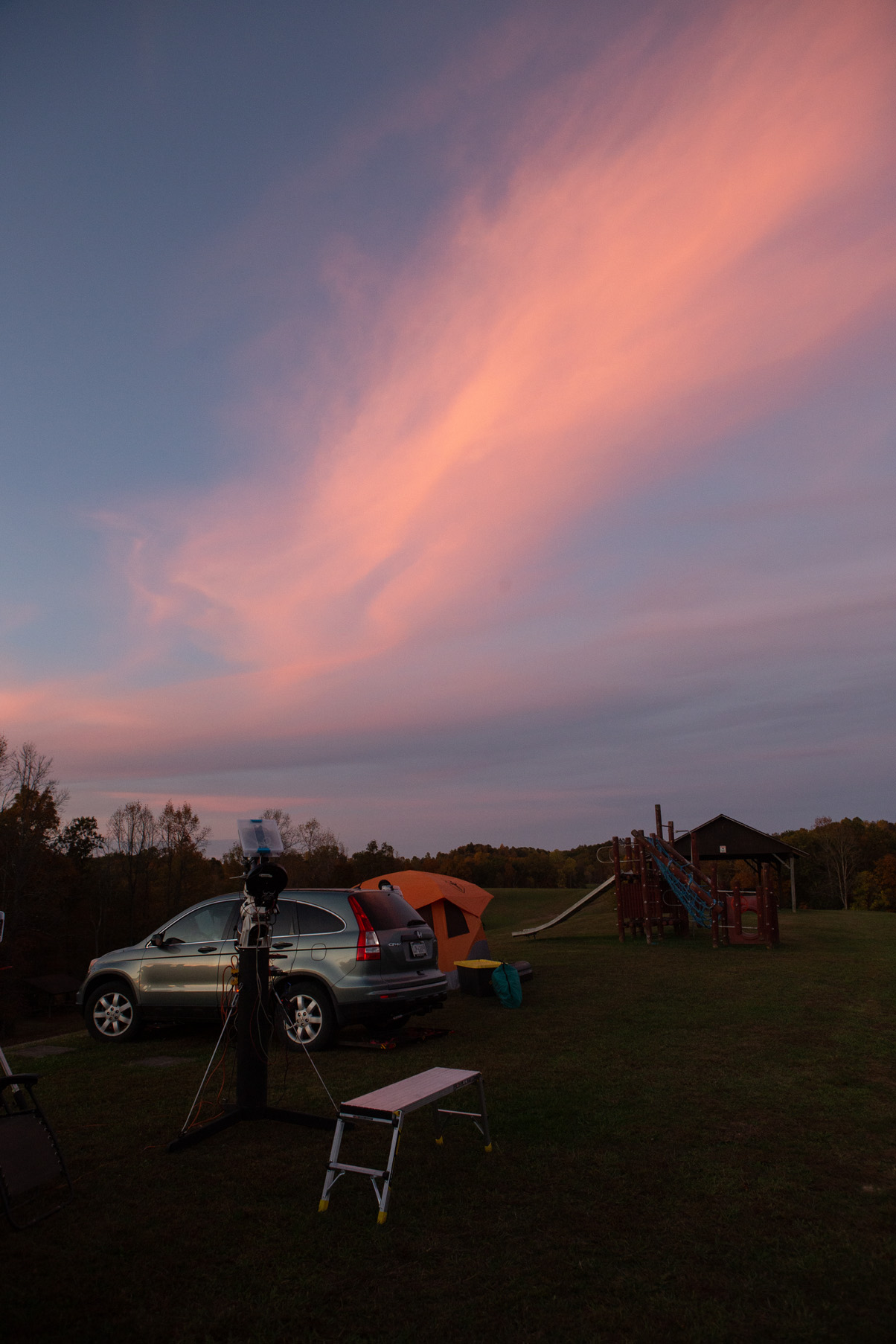
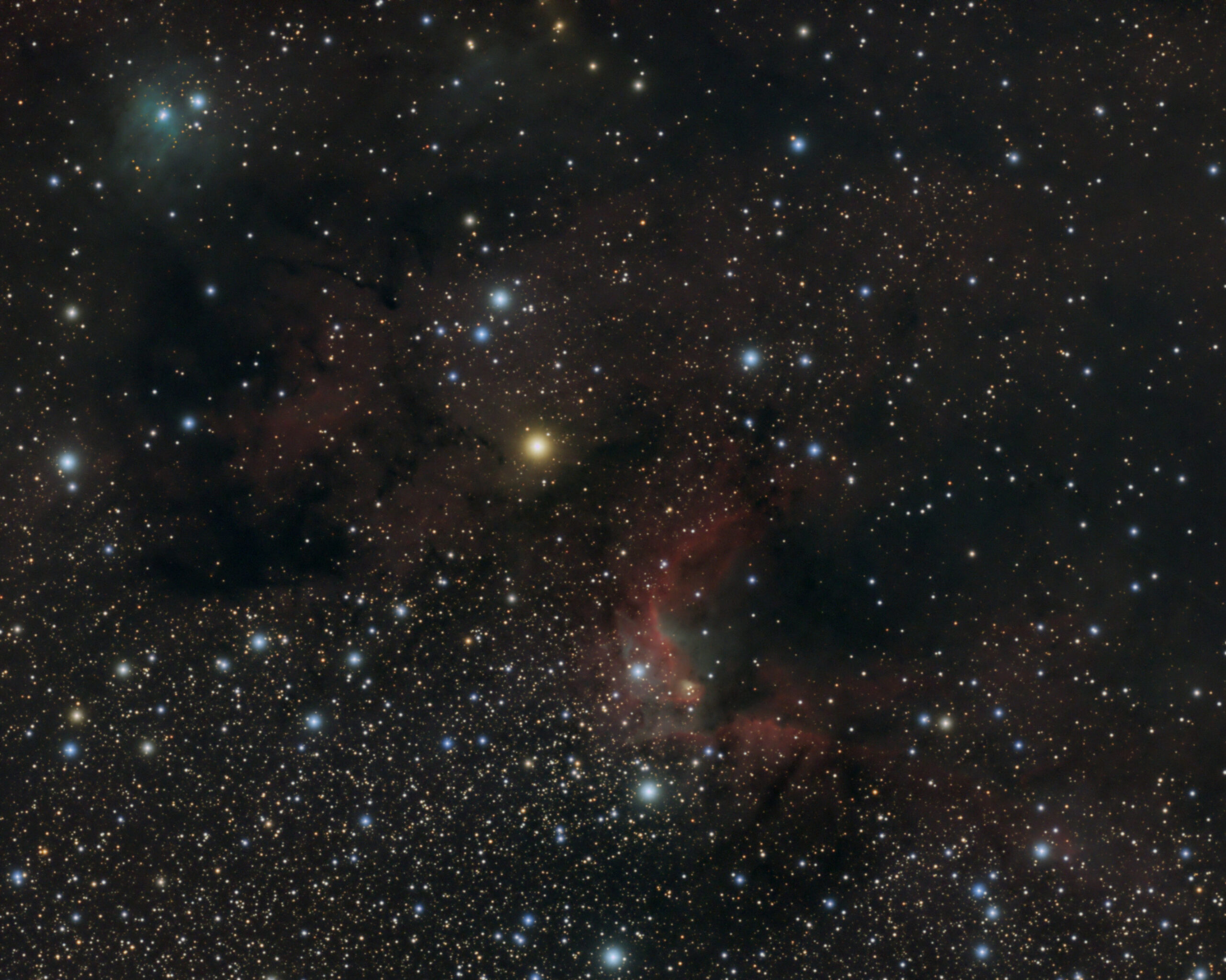
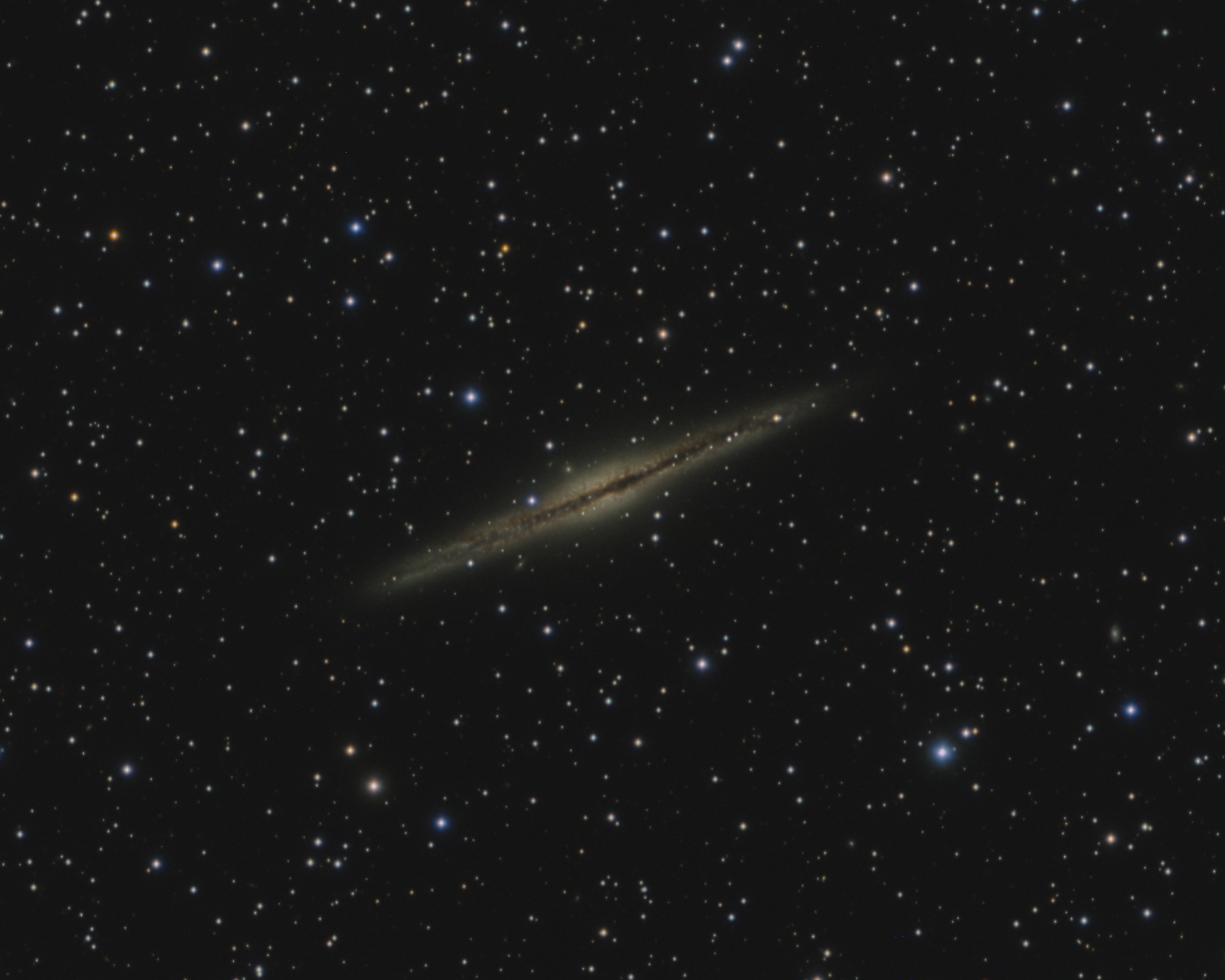
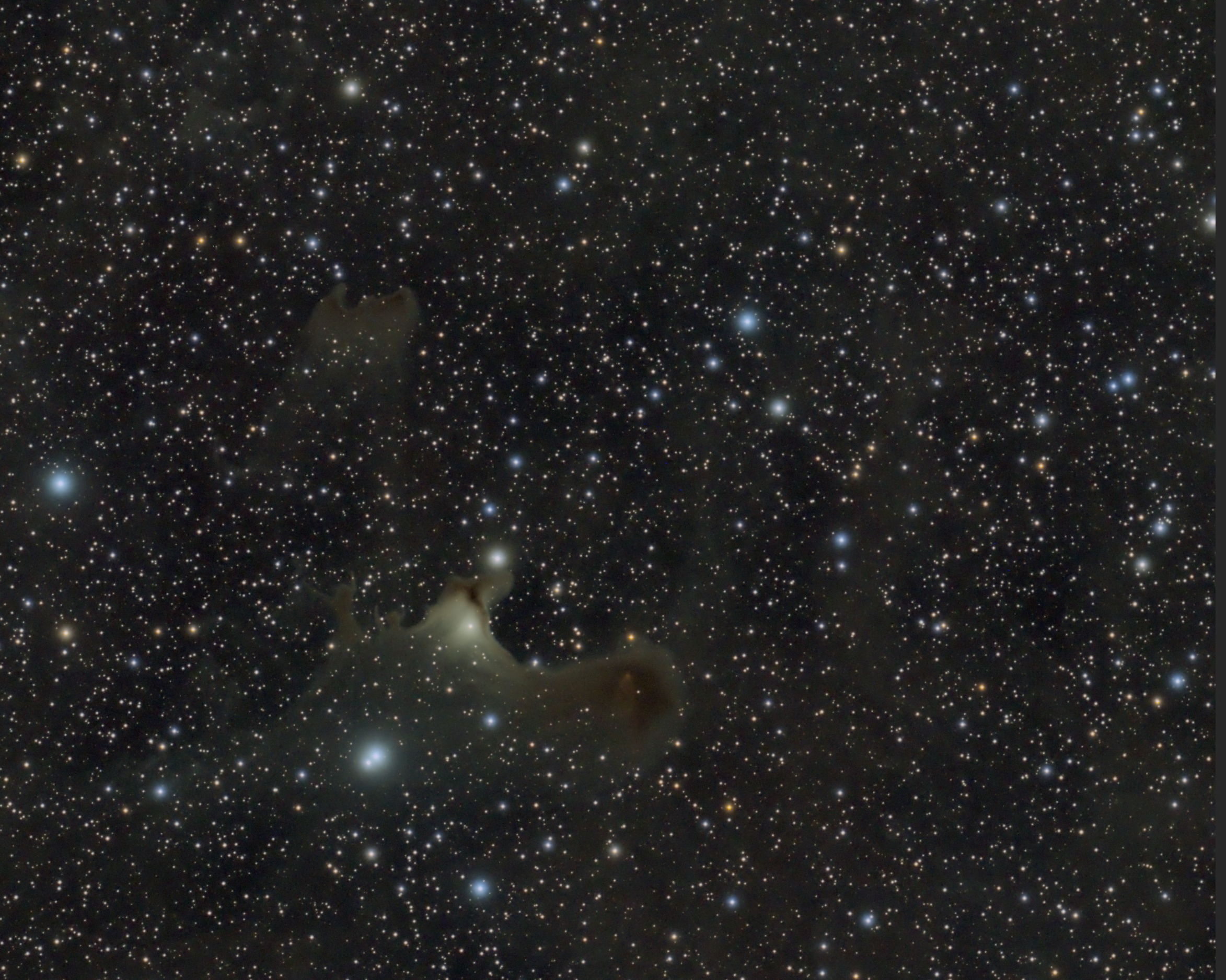
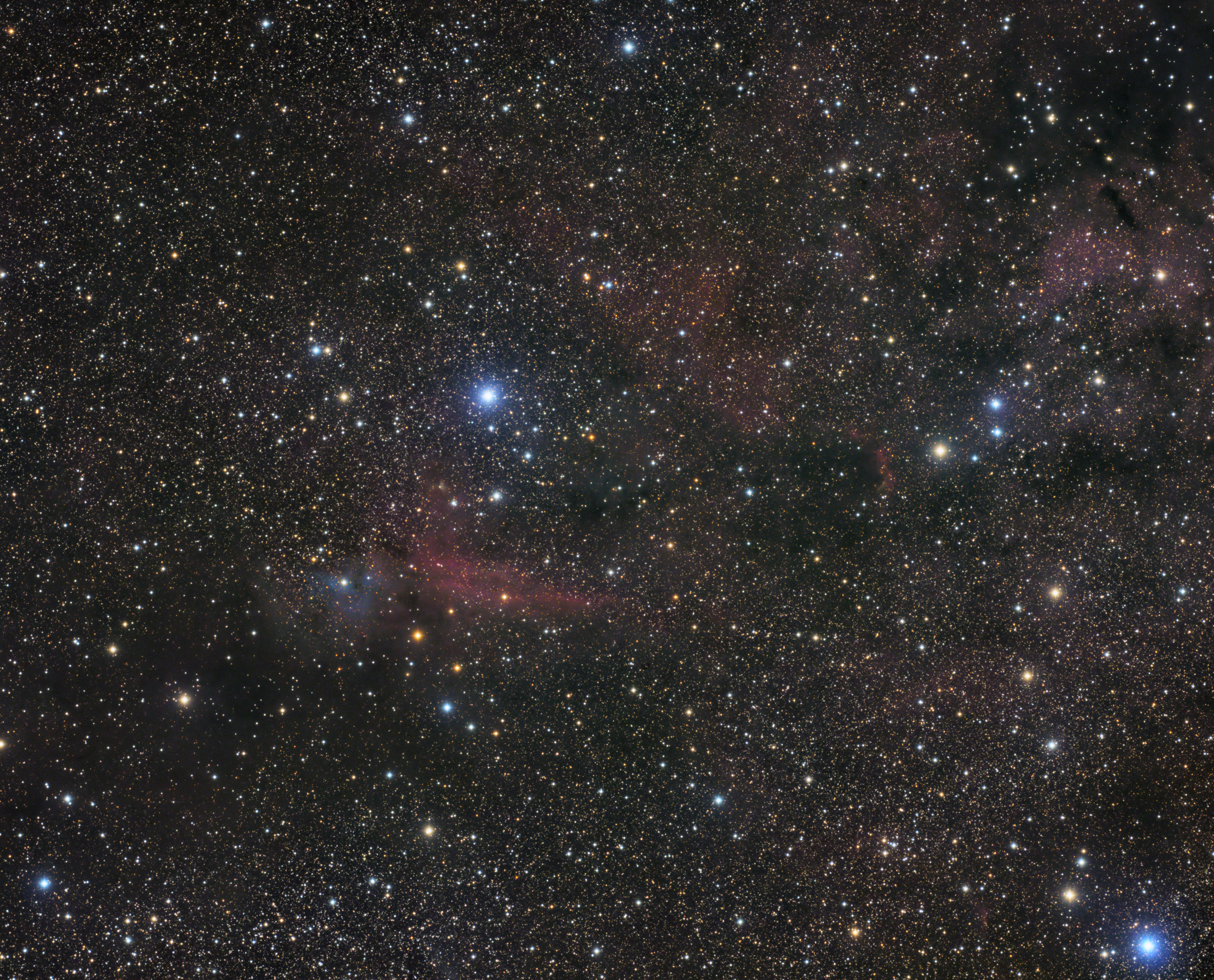
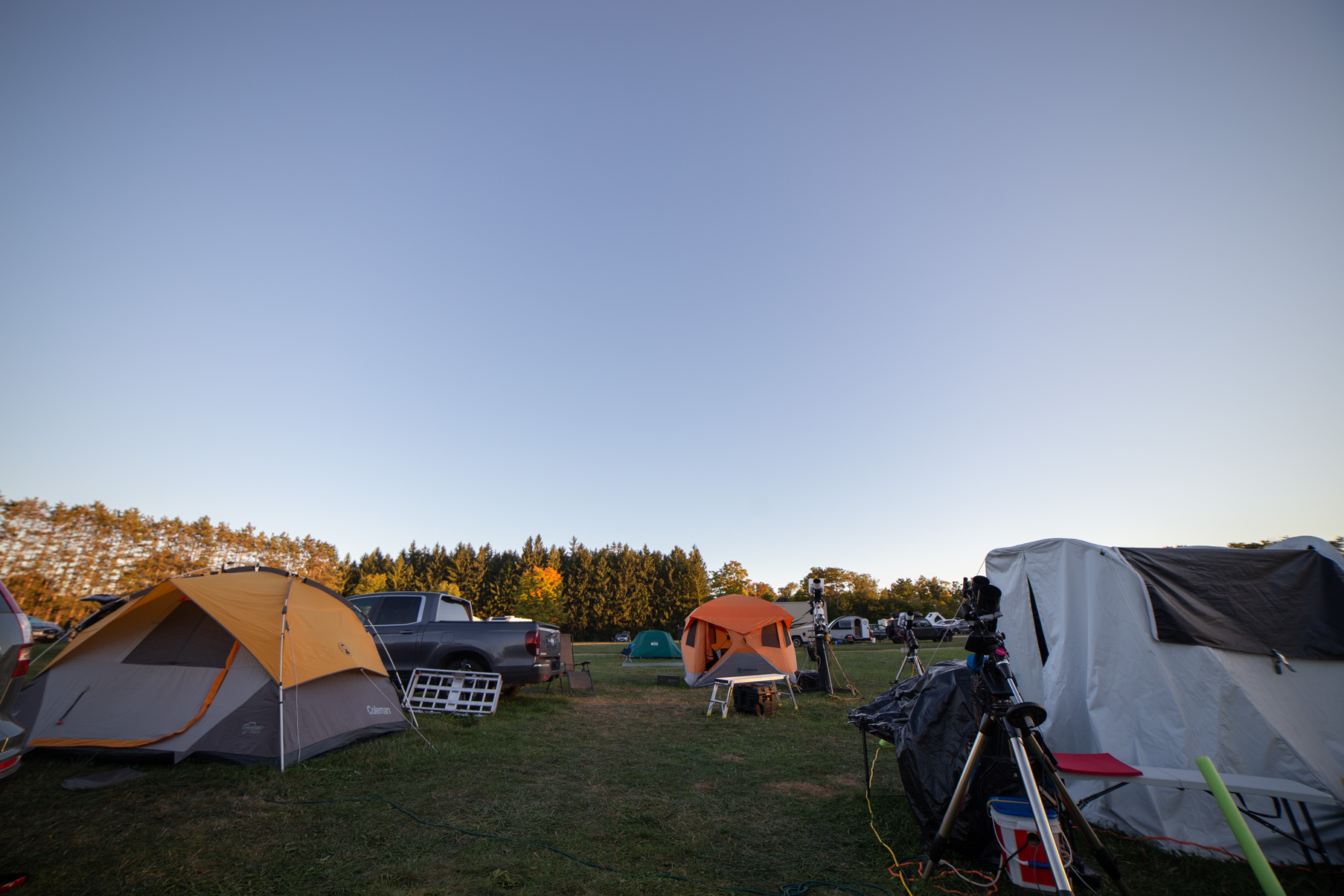
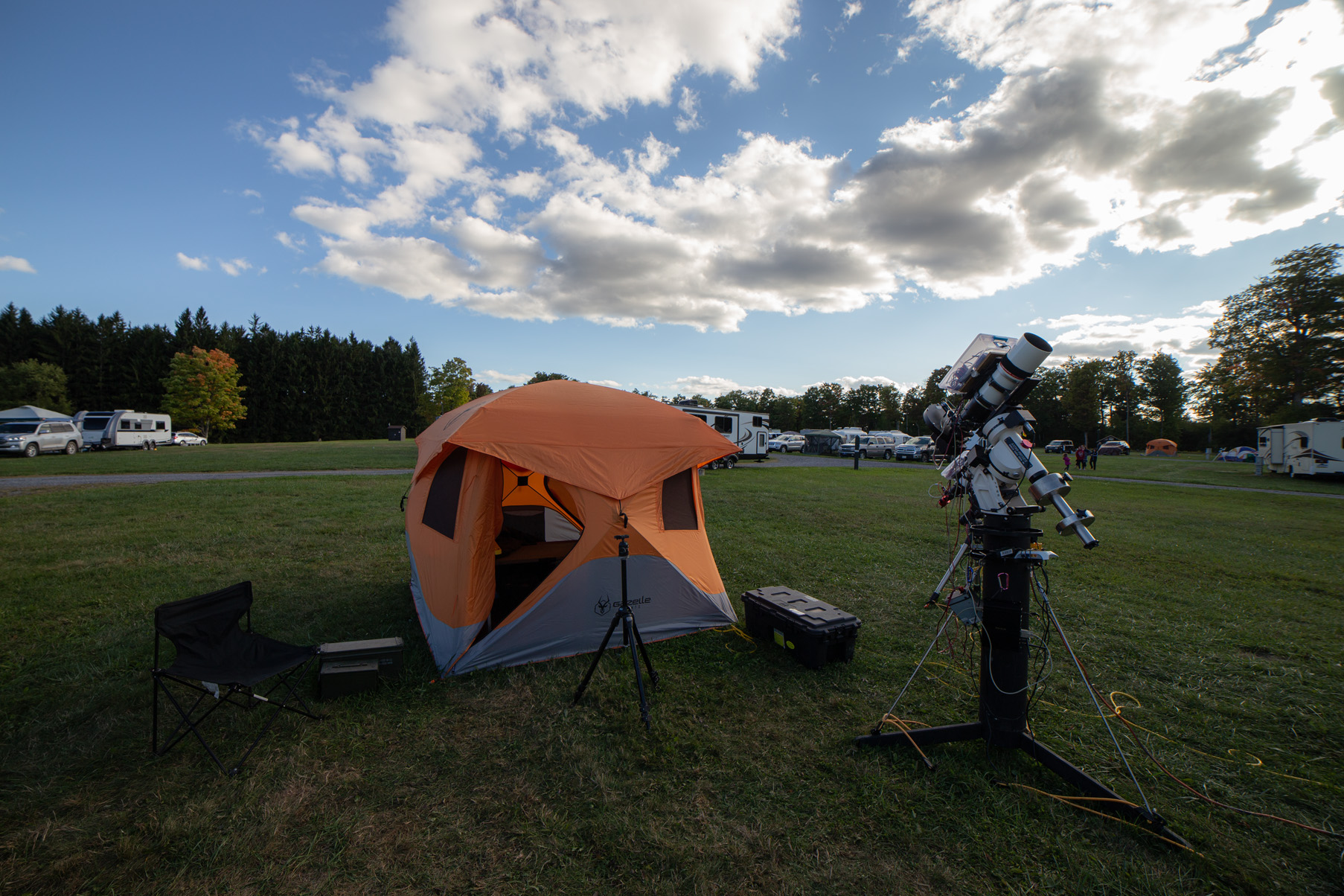
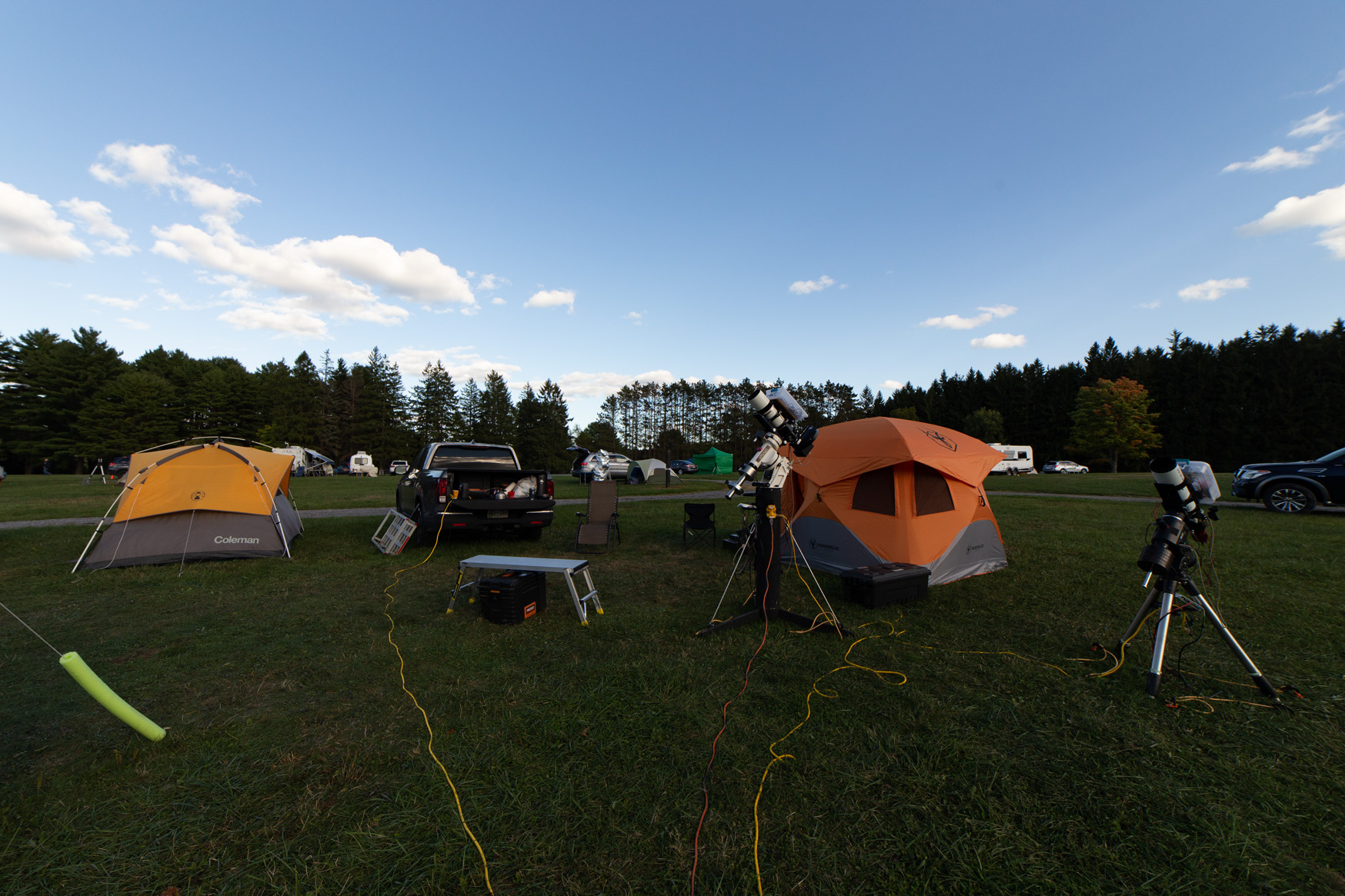
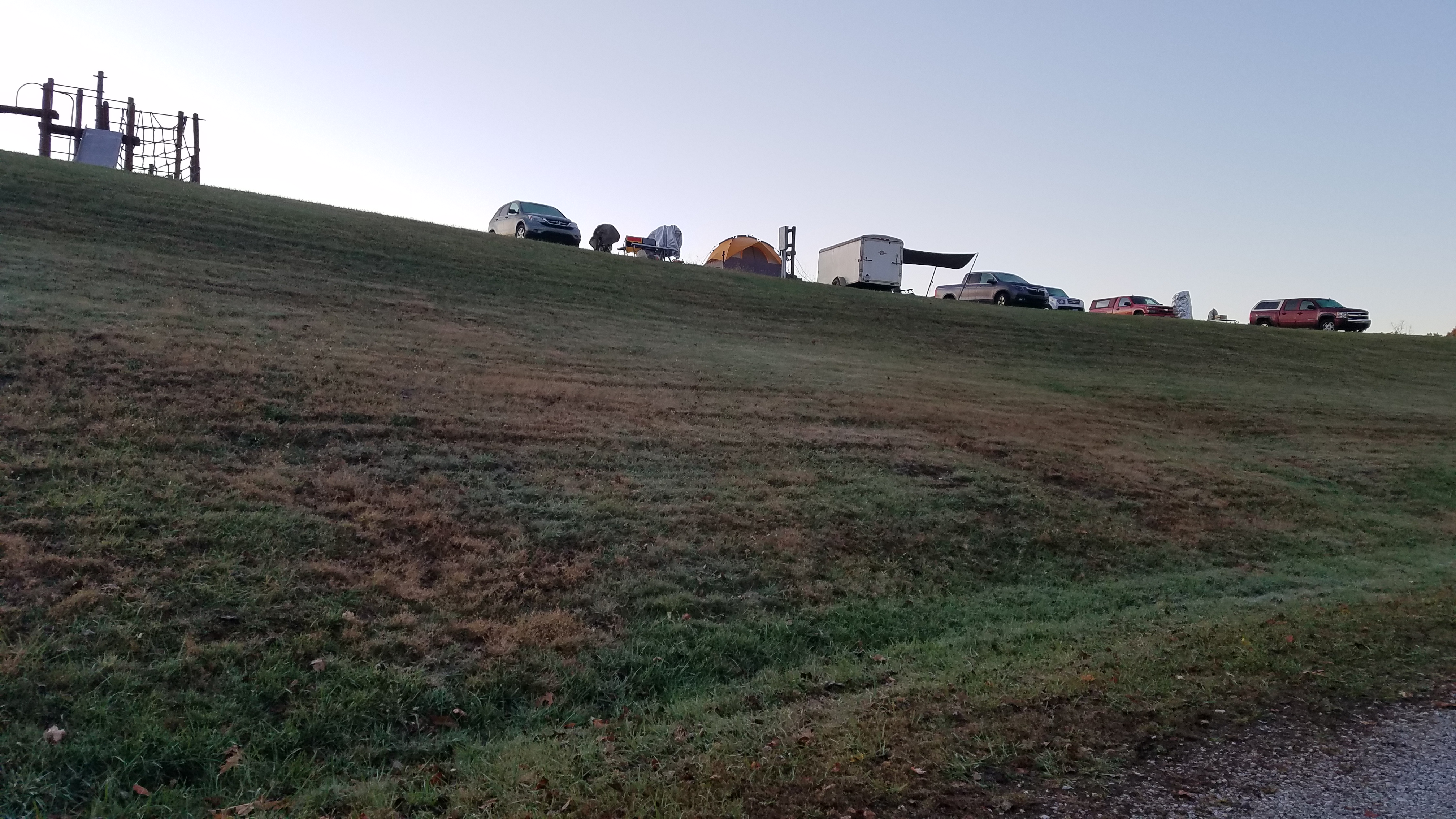
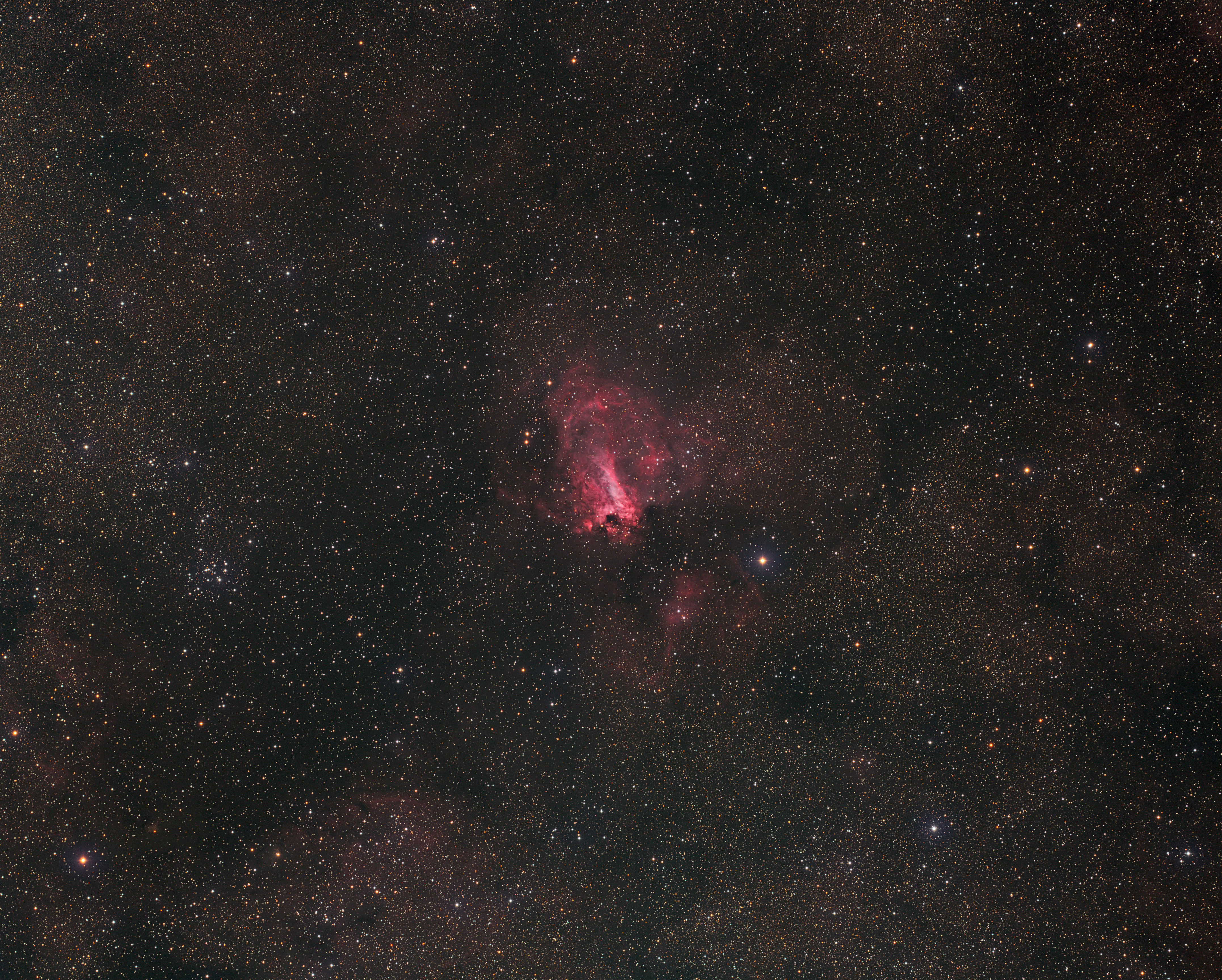
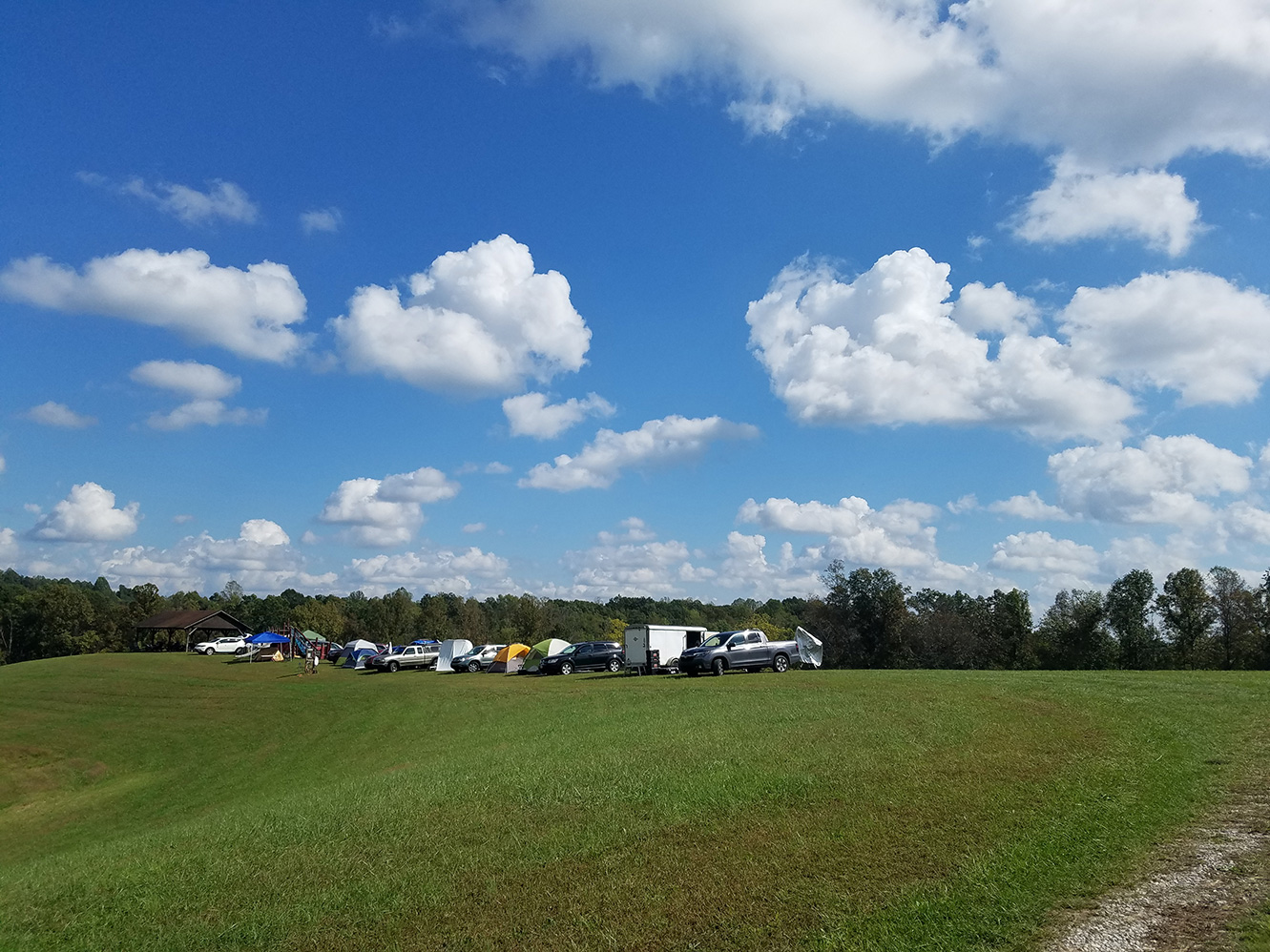
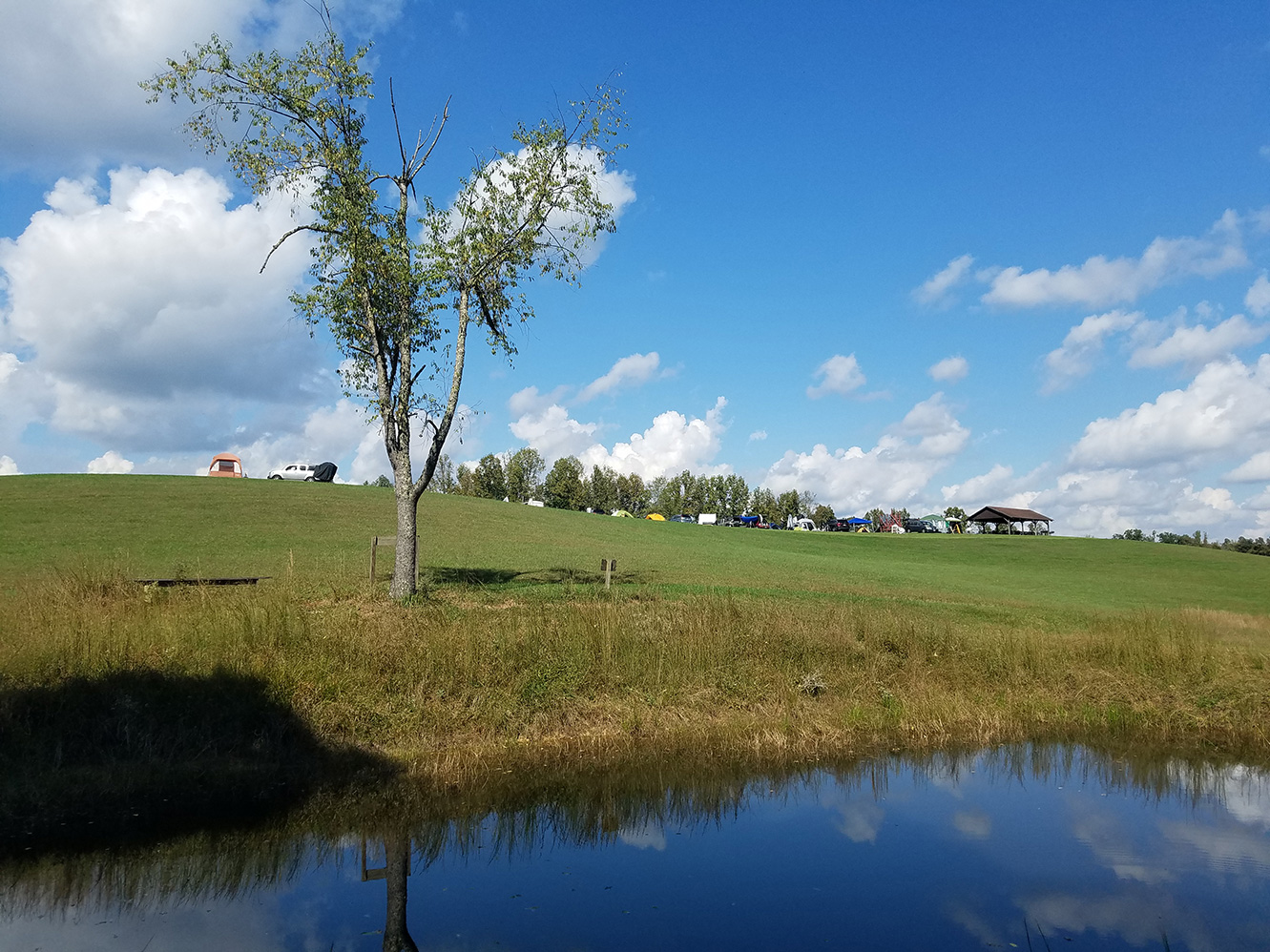
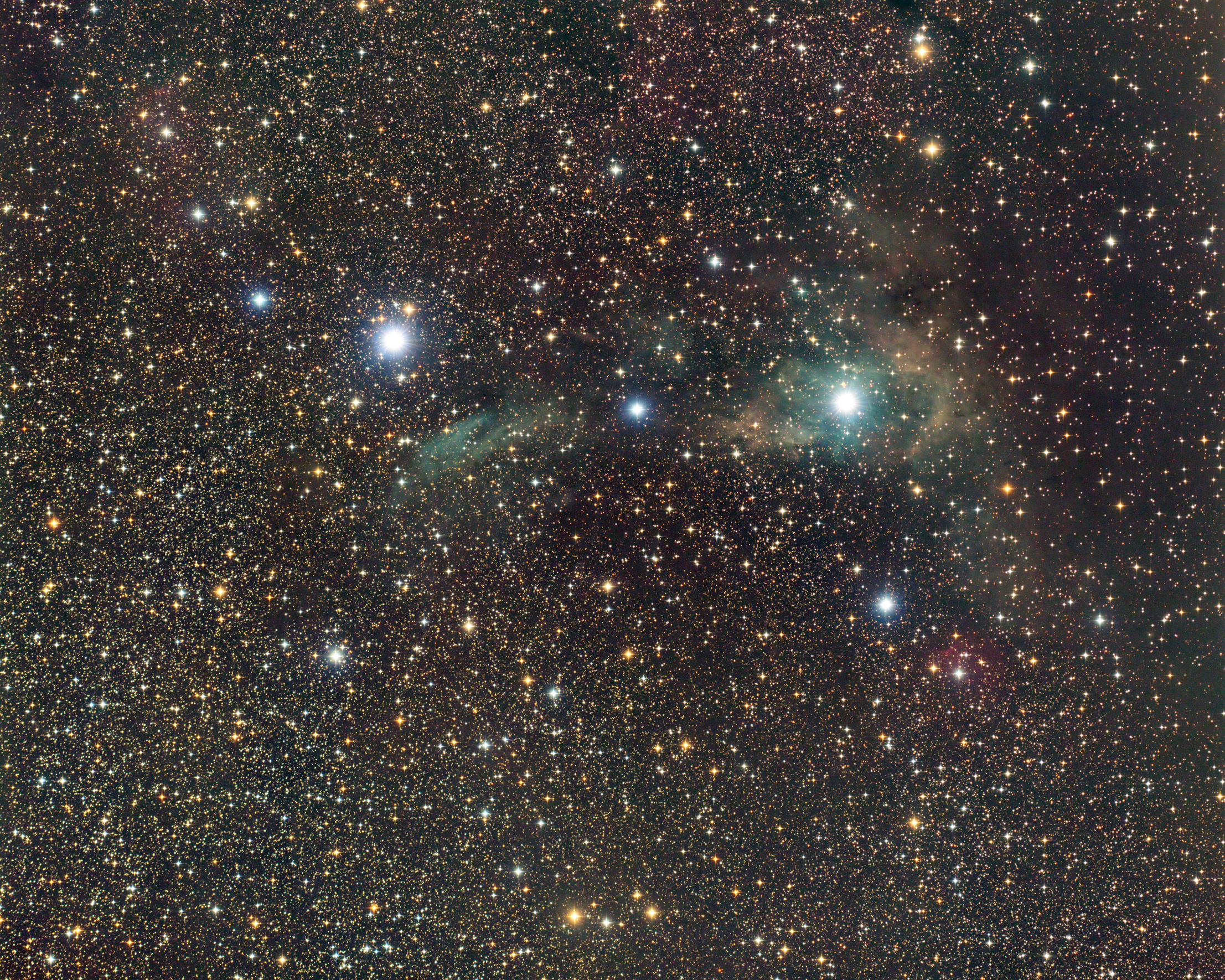
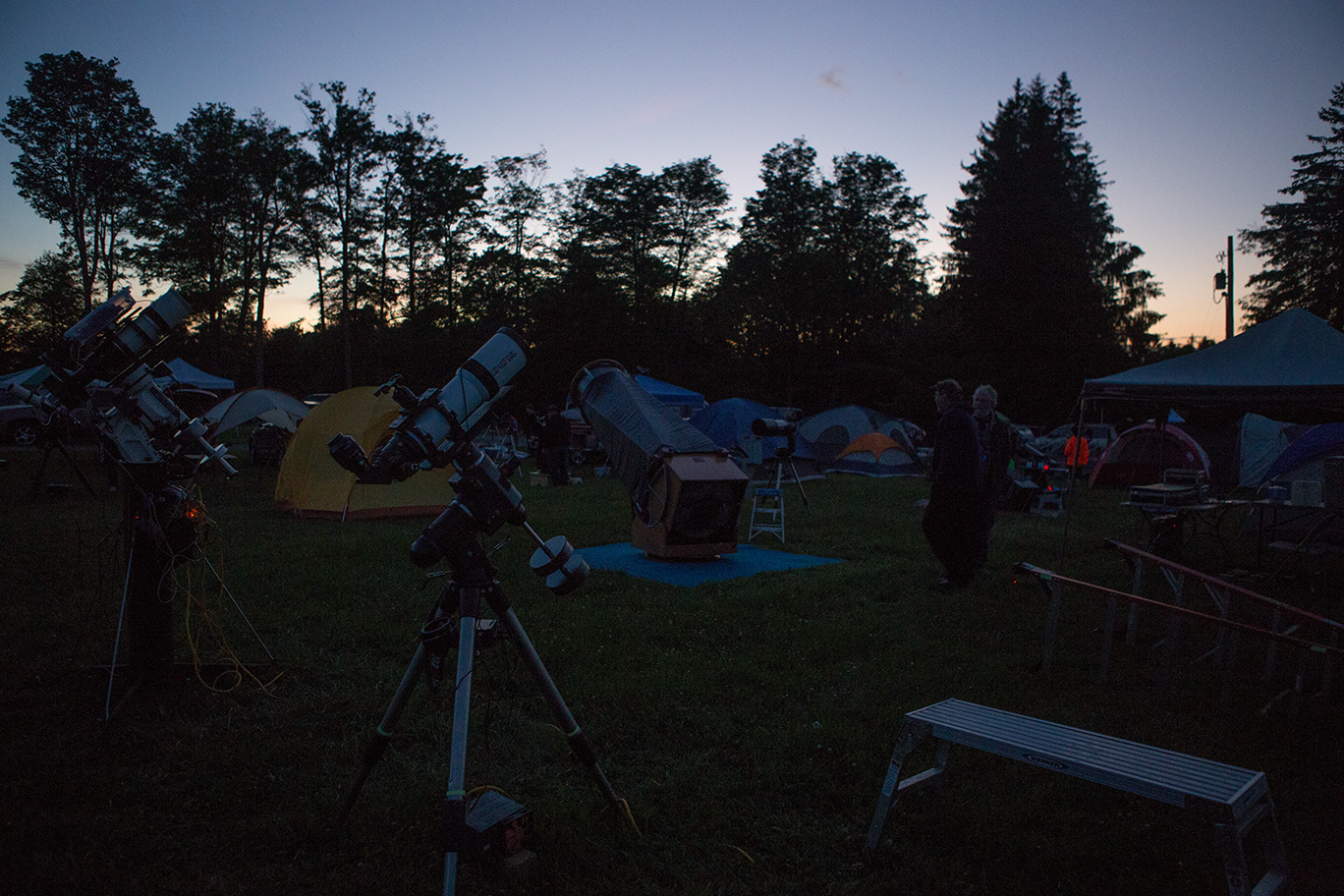
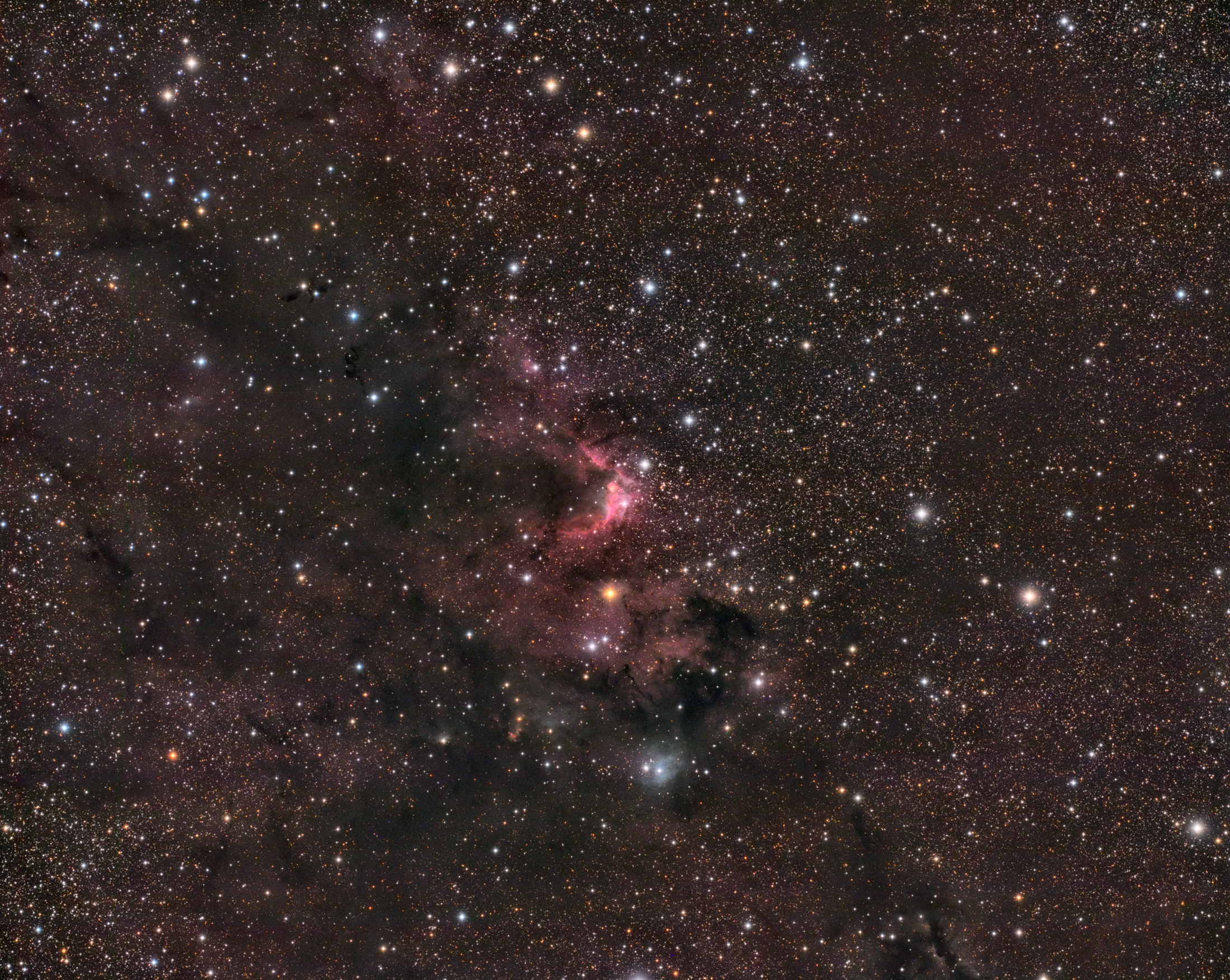
View of the barn and new stage under construction from the ridge where we typically setup for astronomy.Looking SW’ish where most of the informal star party group was setup.Looking NE on the ridgeSh2-155 The Cave Nebula SVQ-100 with ASI533MC OSC CMOS on Orion Atlas EQ-G MountIC 342 SVQ-100 with ASI533MC OSC CMOS on Orion Atlas EQ-G MountGalaxy NGC 891 SVQ-100 with ASI533MC OSC CMOS on Orion Atlas EQ-G MountSh2-136 SVQ-100 with ASI533MC OSC CMOS on Orion Atlas EQ-G MountSh2-150 FSQ-106ED with SX-46 Mono CCD on AP900GTO
This trip to Cherry Springs State Park promised an amazing clear stretch but was marred by dense smoke obscuring much of the sky from the wildfires raging in CA and other parts of the US.
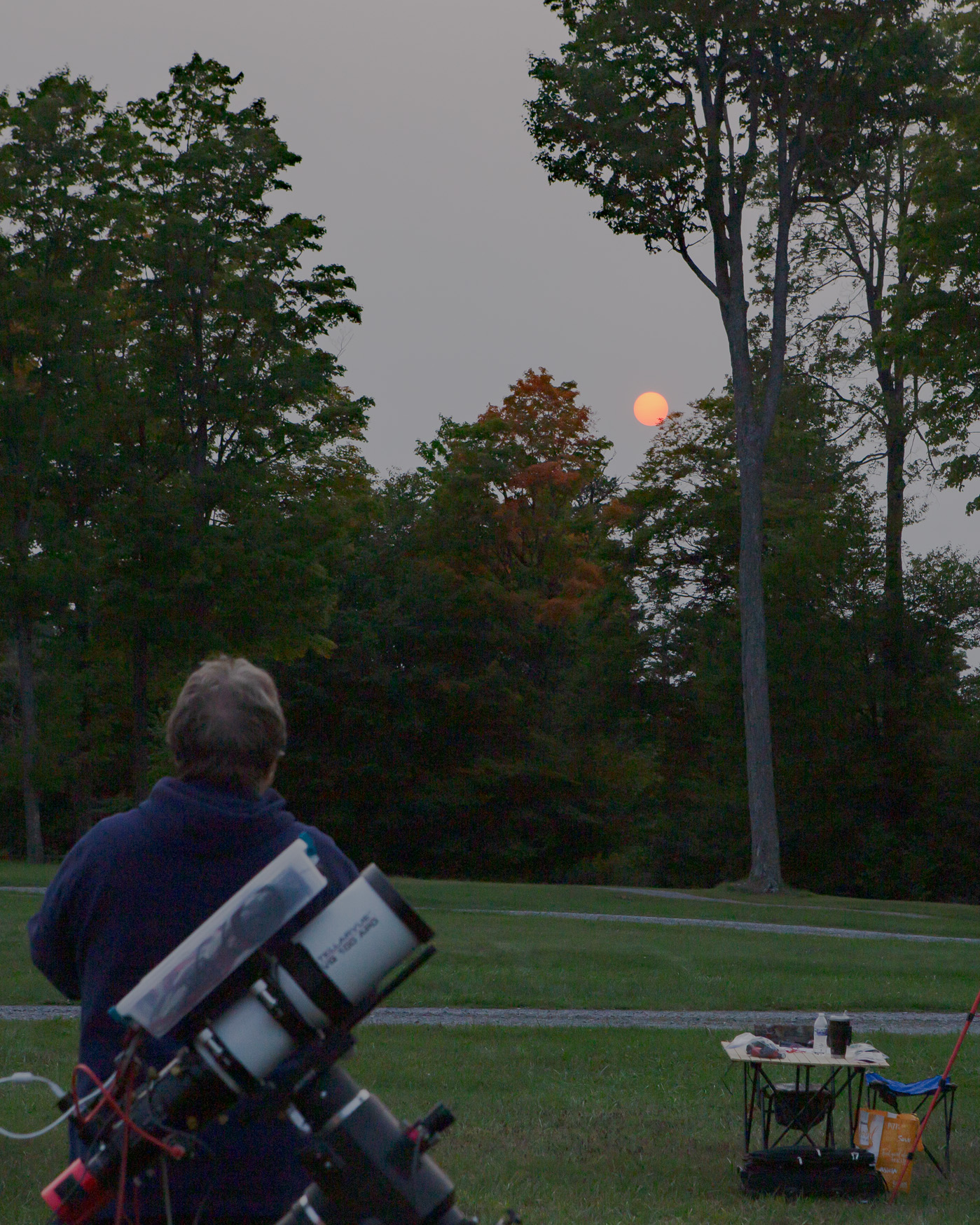
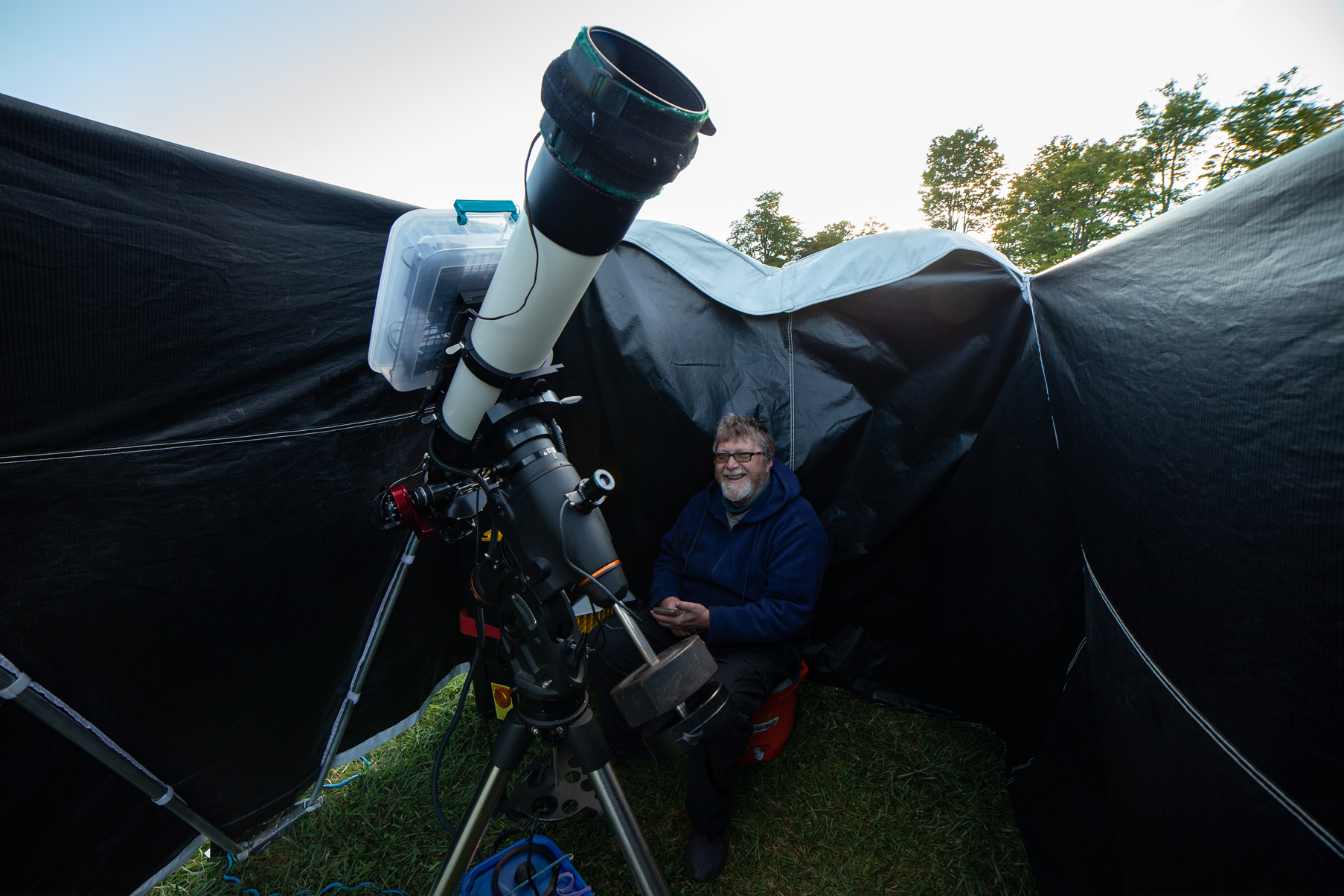
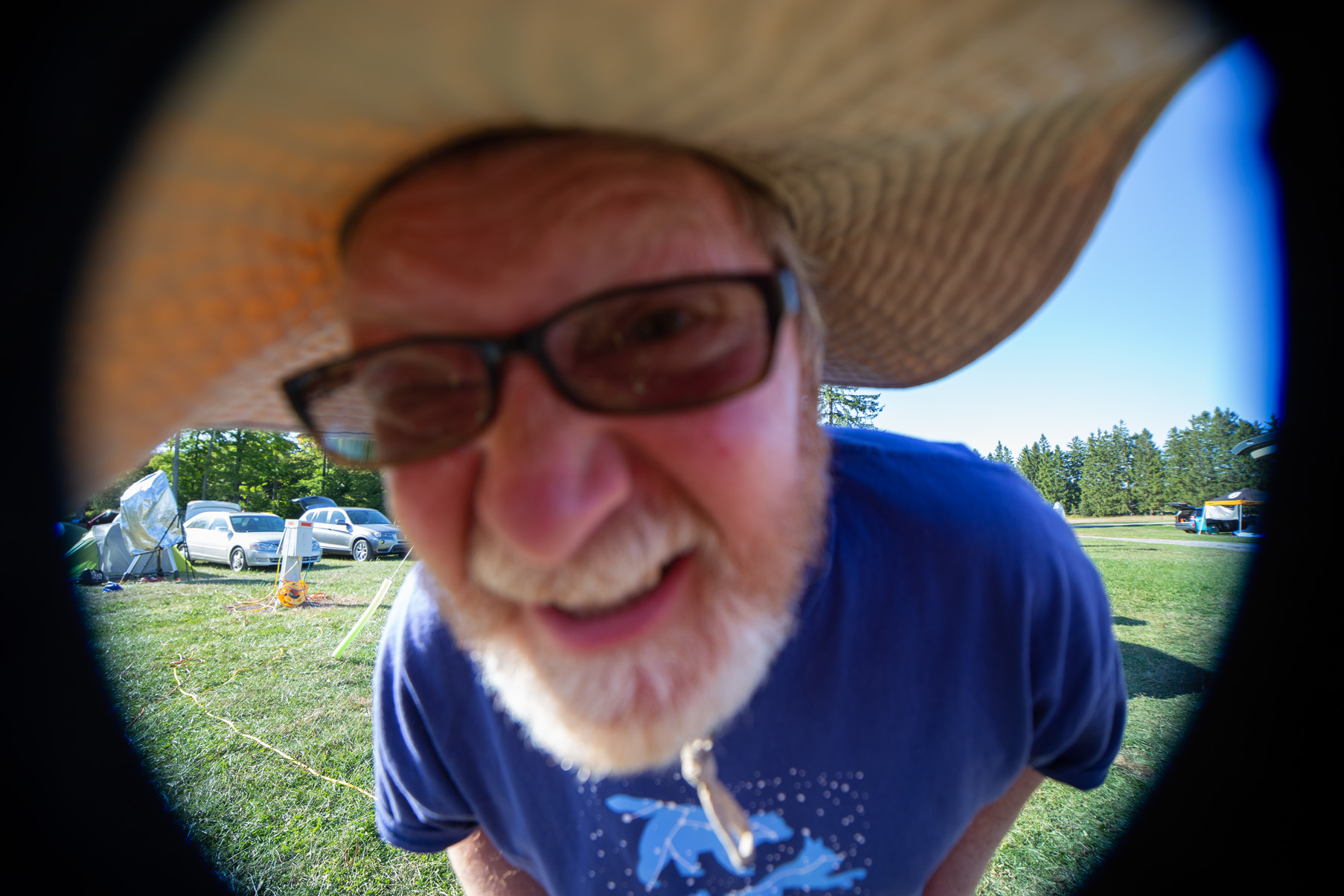
The sun looked like a planet hanging in an overcast sky due to all the smoke. If there had been any sun spots they may have been naked eye visible without a sun filter!The sky was clear yet the blue wasn’t quite able to break through the hazy smoke.Frank in the Astro TentThis is what dealing with the public usually looks like 🙂LDN 1235 – The Dark Shark FSQ-106ED with SX-46 CCD on AP900GTO Mount Only salvaged image during the few smoke free nights
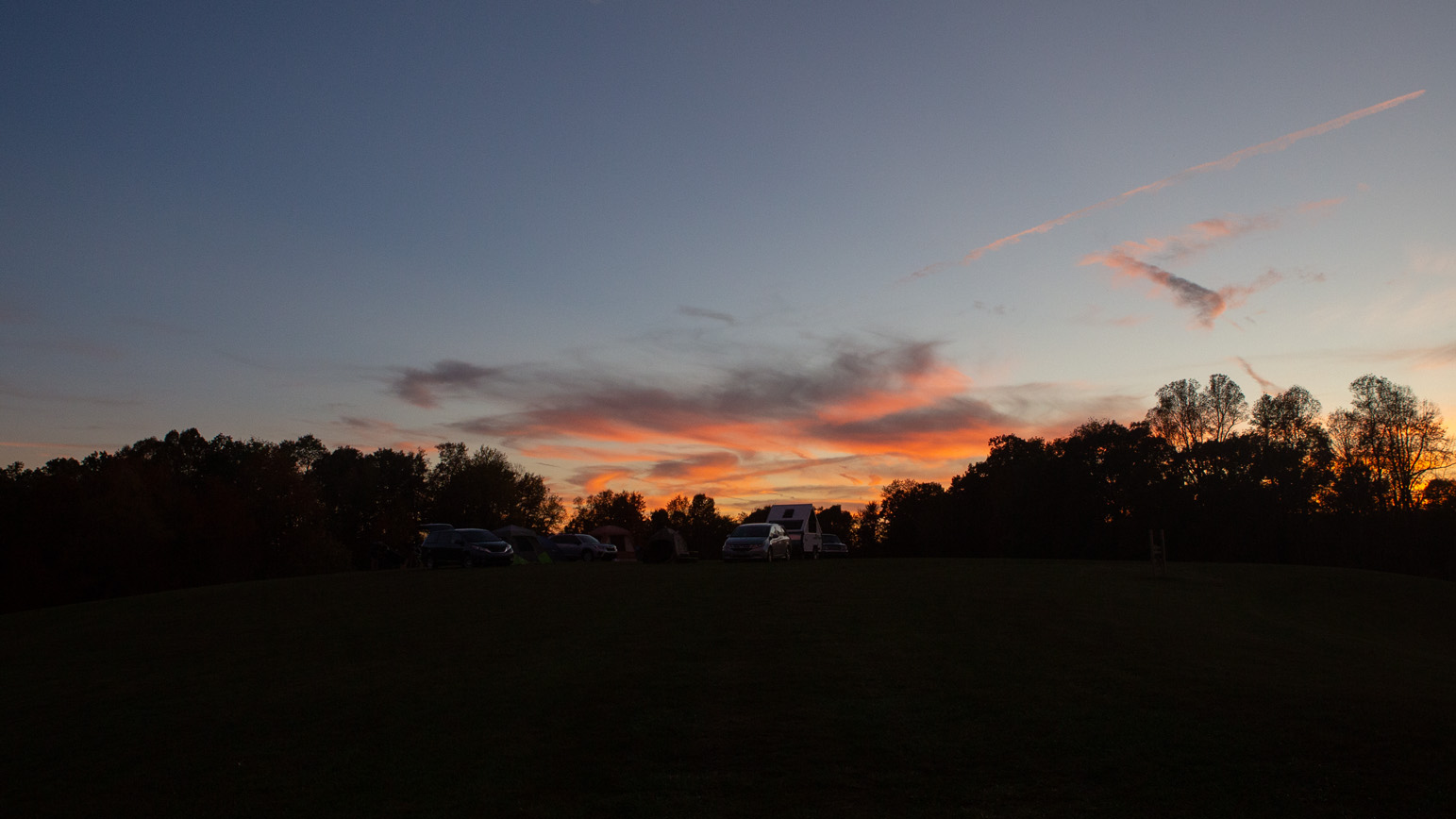
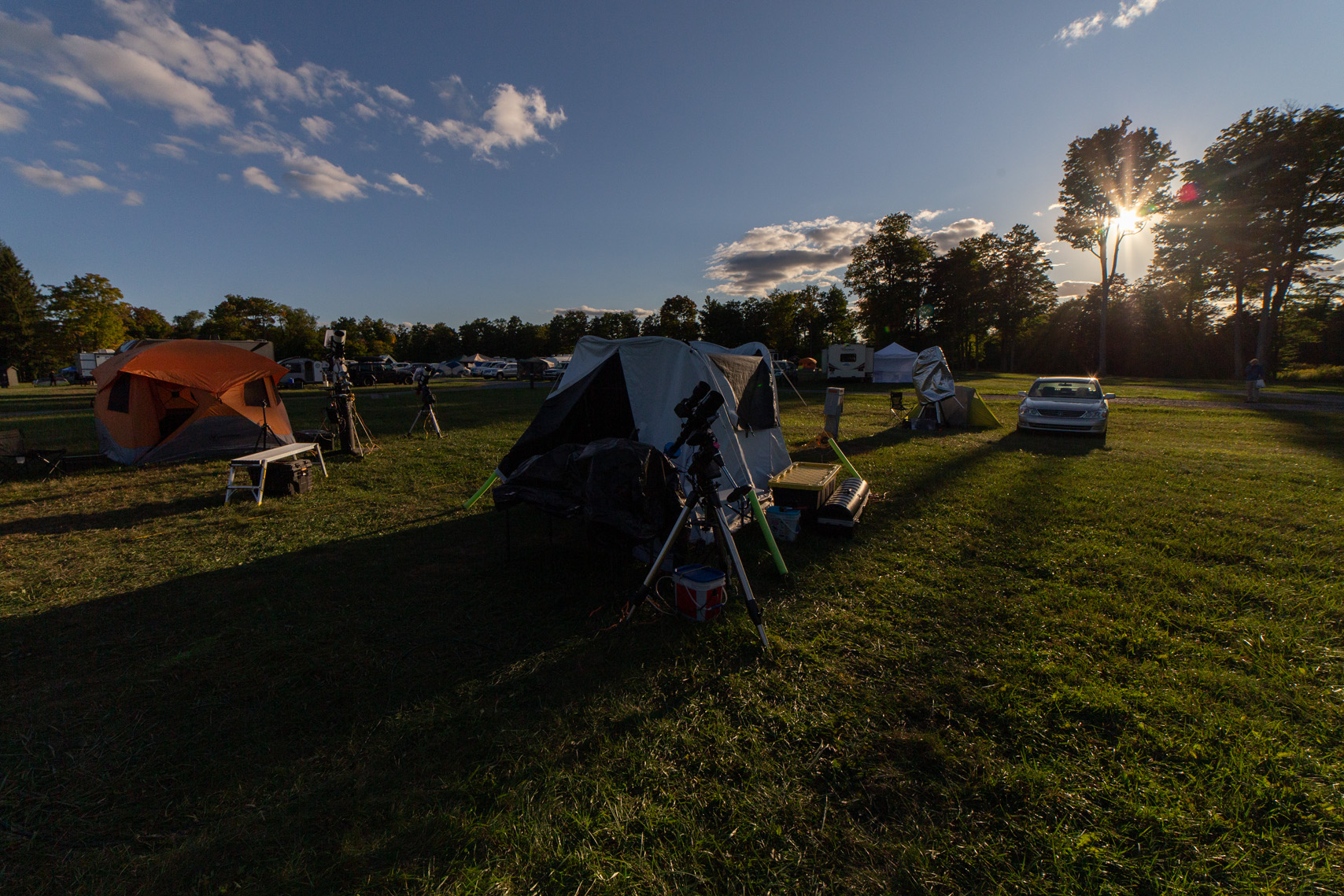
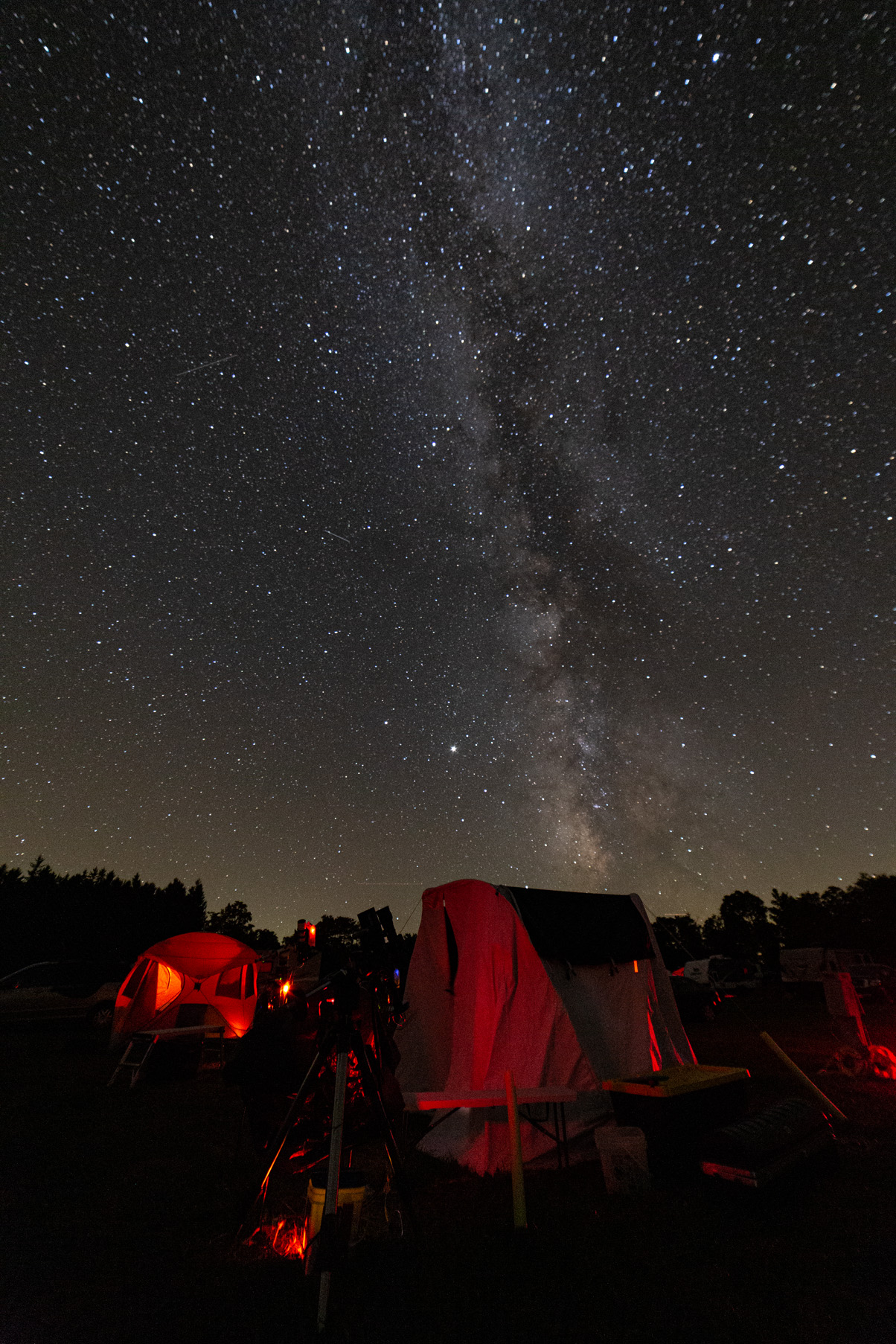
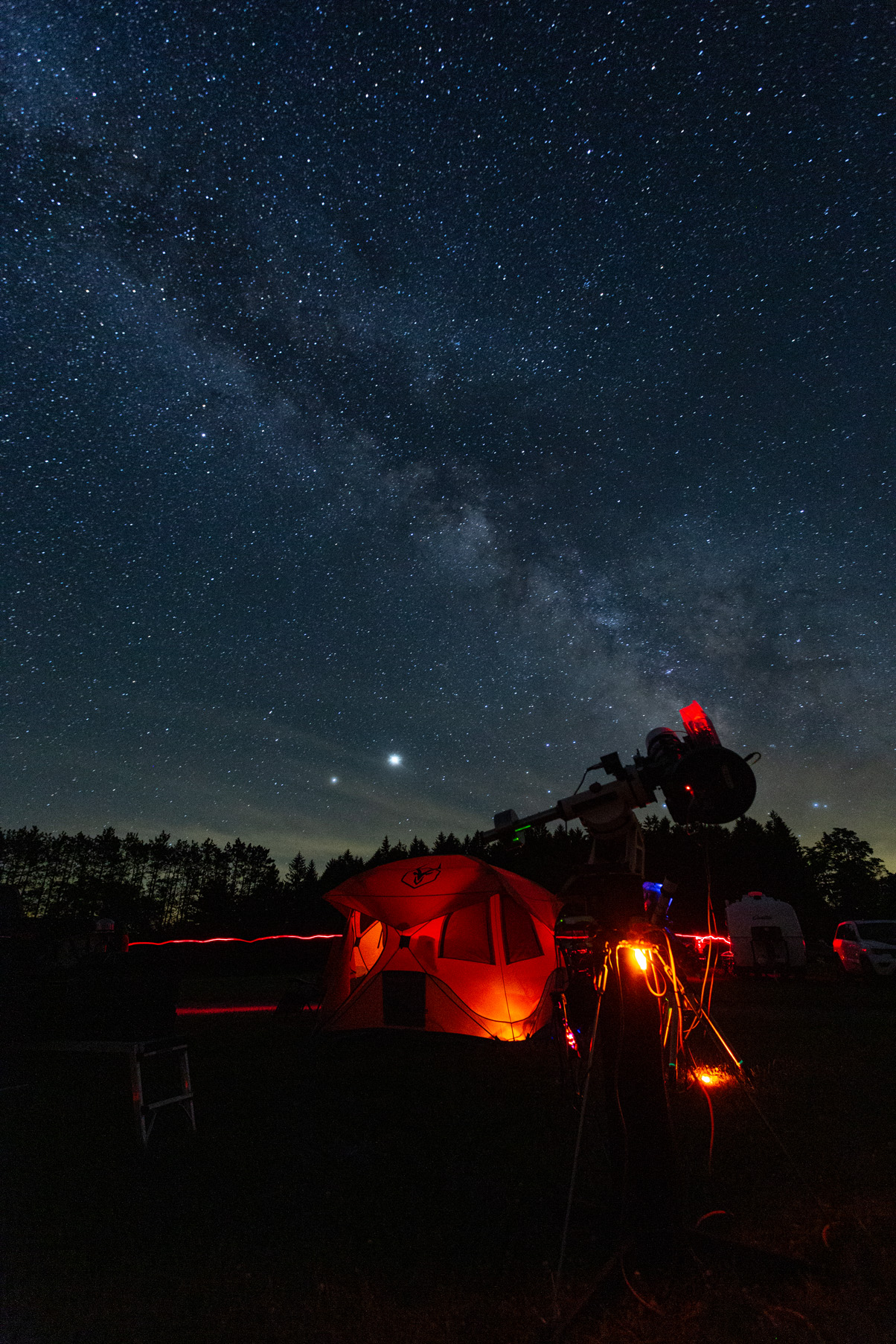
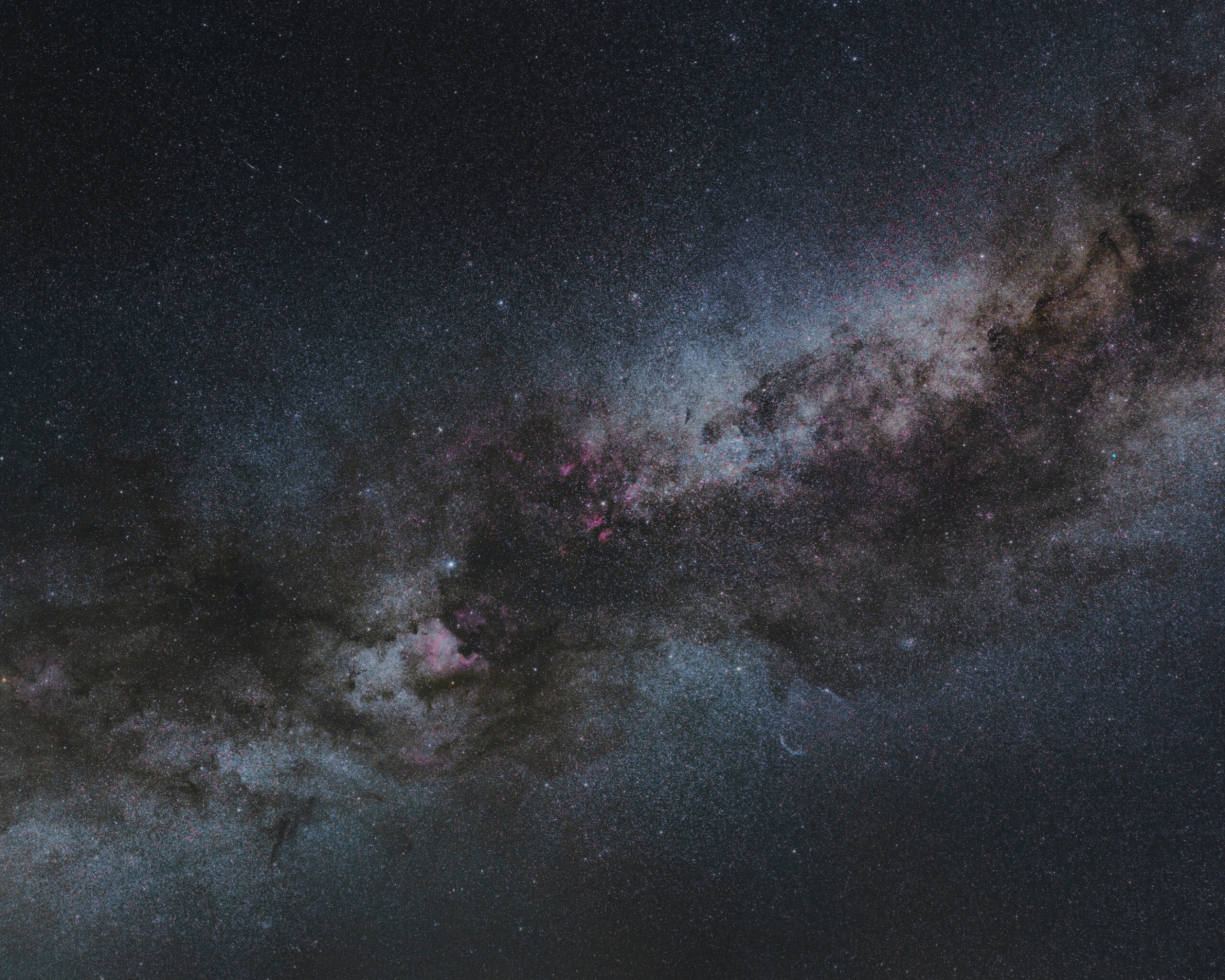
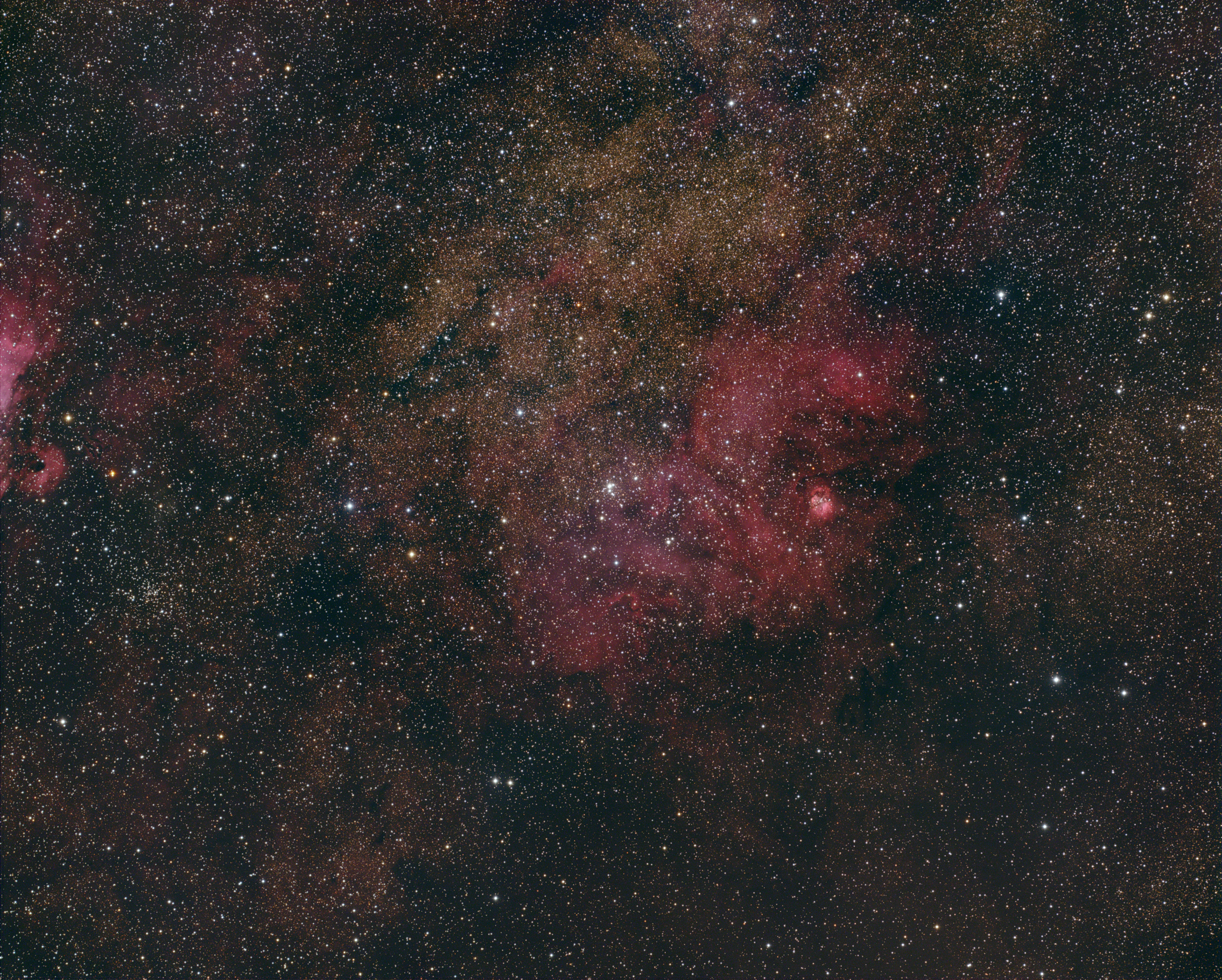
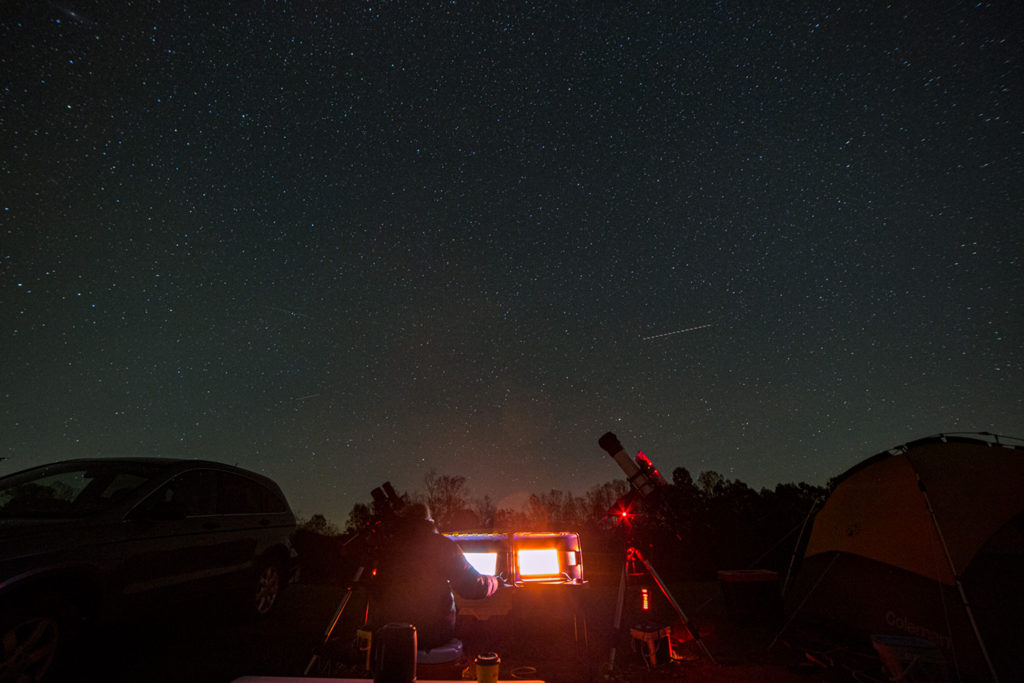
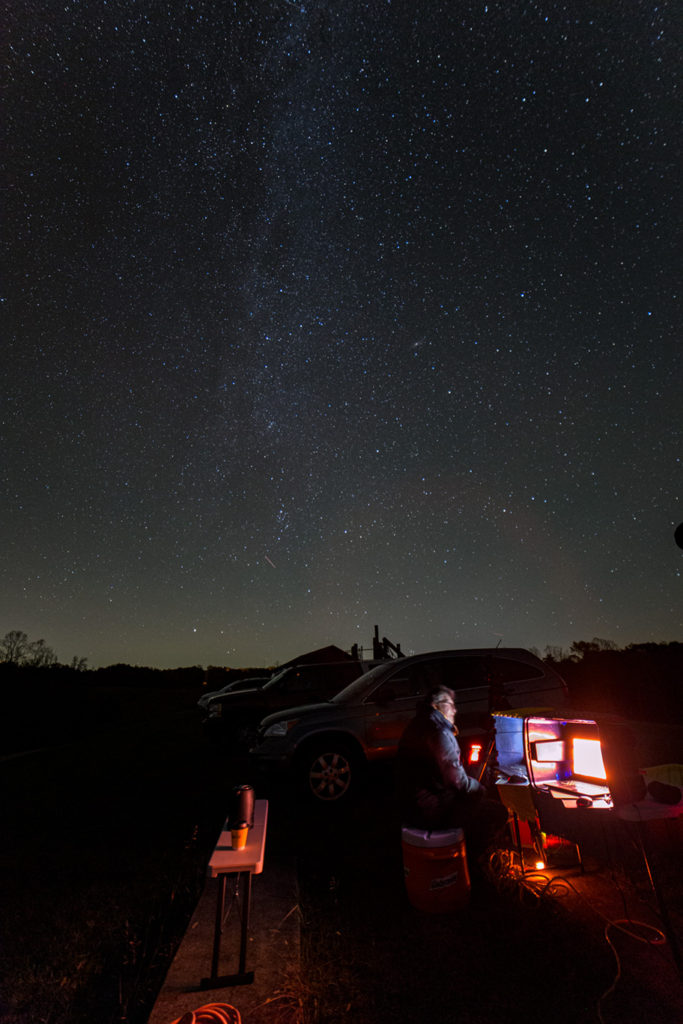
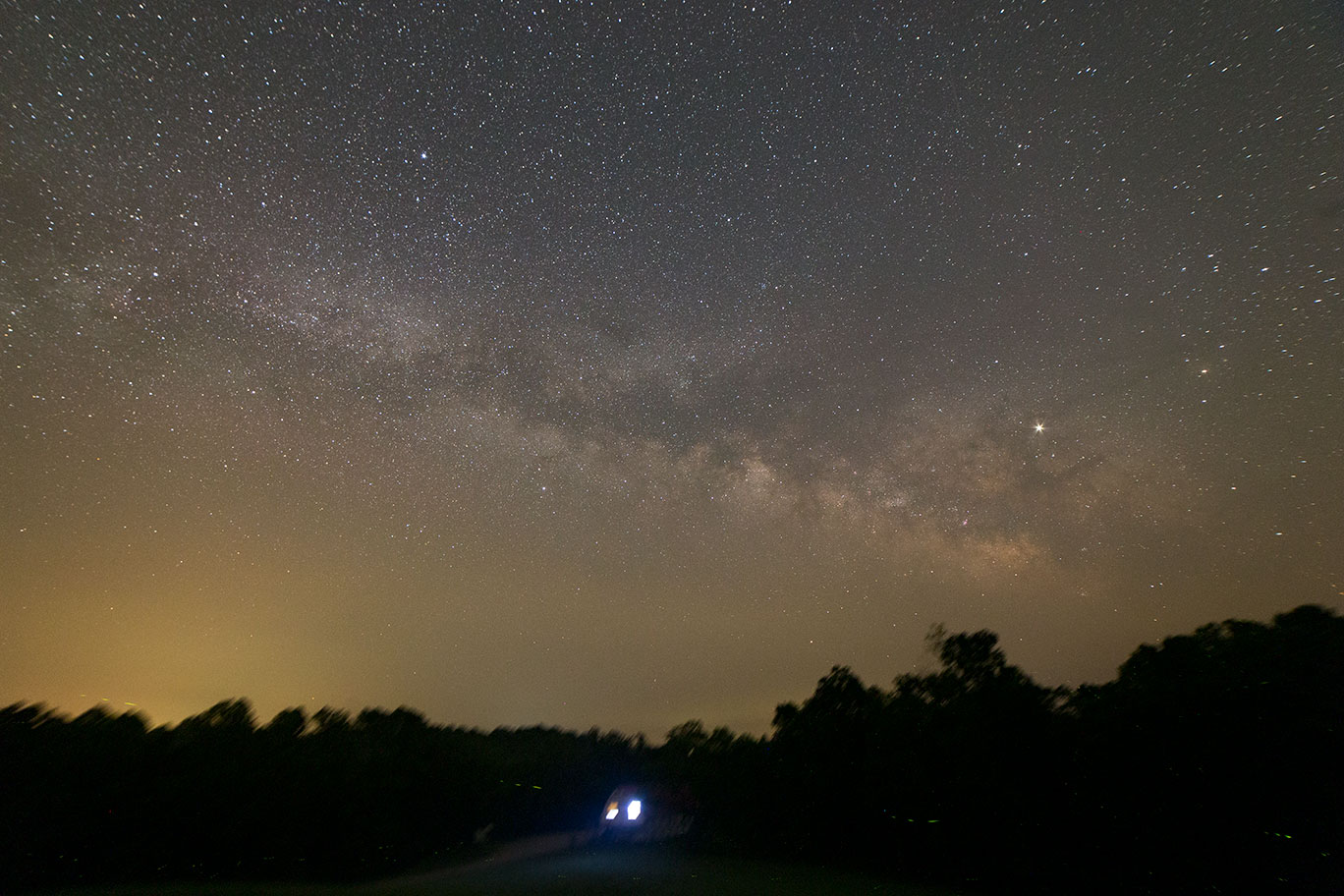
Two rigs imaging with the MW rising.Cherry Springs SunsetJupiter & Saturn Rising with the Milky WayMosaic of Cygnus with Canon 6D and Rokinon 85mmCluster NGC 6604 and surrounding nebulosity. This is an often overlooked region just above the famous Eagle Nebula M16 which is just peaking in on the left.
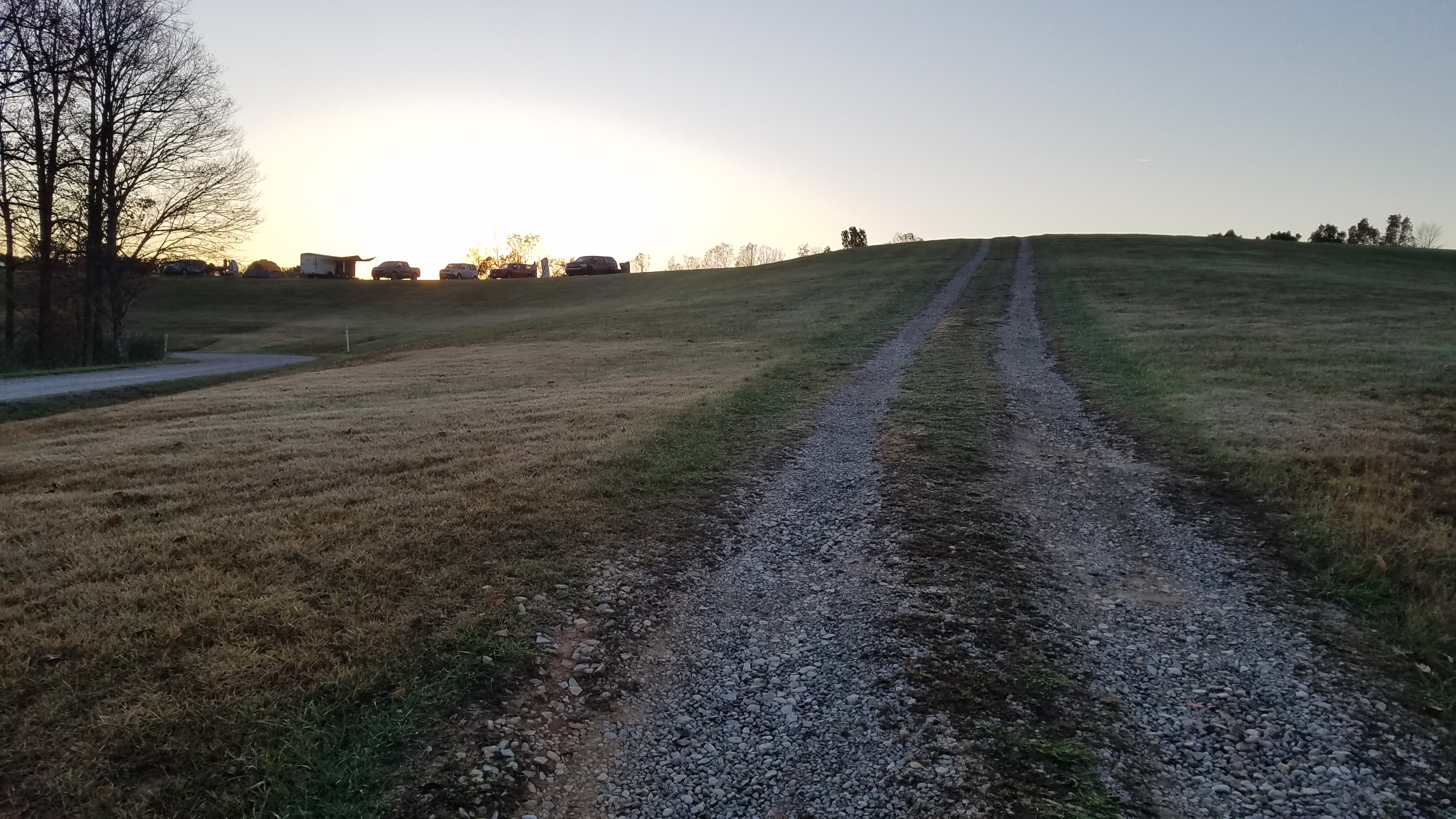
Road to the Observing Ridge at Dawn Thursday Morning
After missing the BFSP at Cherry Springs State Park, PA last new moon we were anxious to get out for one last hurah for the year. Weather looked great initially from midweek into the weekend but rapidly went downhill as we got closer to the weekend. We did however have an amazingly clear Weds night and clear until 3:00am or so on Thursday.
Observers on the Ridge on Thursday Morning
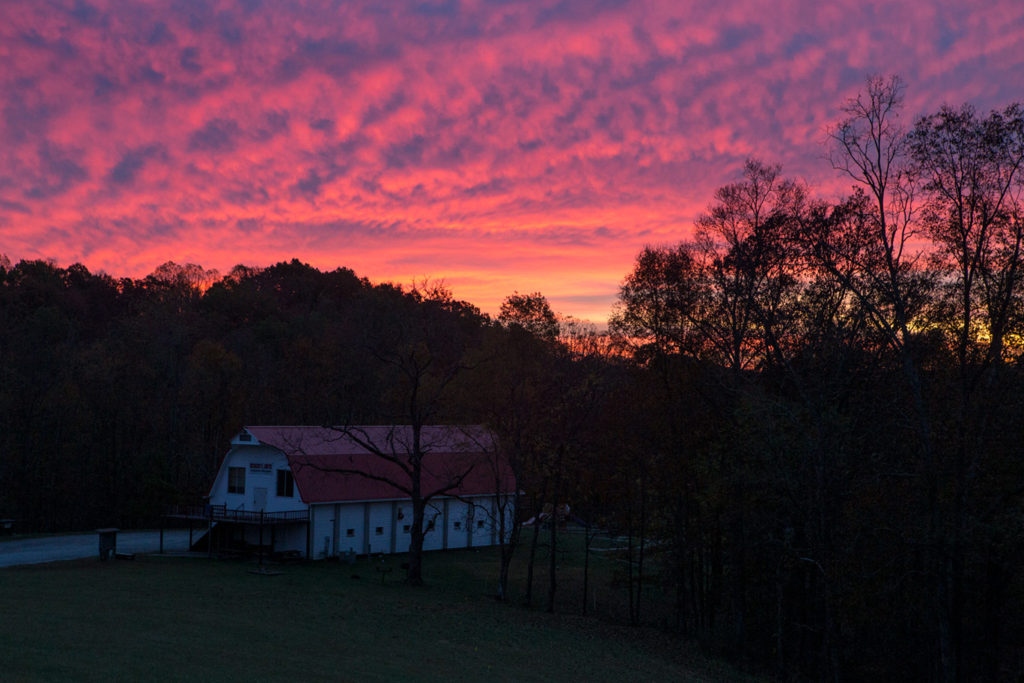
Friday morning arrived with clouds and slightly warmer temps (no frost) than Thursday morning. The sunrise was spectacular.
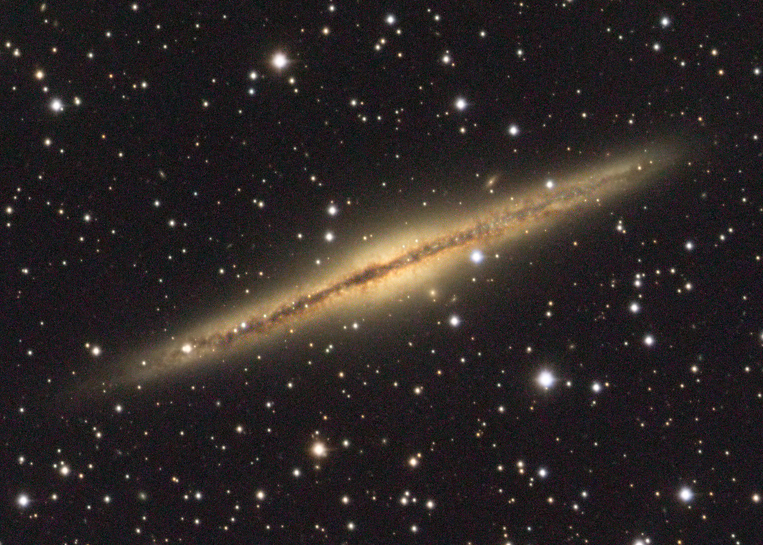
I am not a galaxy imager. I’m at home with short refractors imaging large nebula in our own galaxy. Spring and Fall are more or less galaxy season though if you want to be able to image the same object the majority of these longer nights. So I picked out a decent size bright galaxy and dusted off the long f/ratio 5″ refractor and gave it a try. It’s not without it’s problems but nice to see a 28 year old refractor still collecting photons!
Crop of Galaxy NGC 891 Click image for full sizeNGC 891 – Full Frame (minor crop) 5.3 hours of Lum, 5.5 hours RGB AP130EDT f/8 with SX-46 CCD on AP900GTO Click image for full sizeAnnotated NGC 891 Click image for full size
We had some great weather for the annual star party at Pickett State Park, TN last new moon. This star party is still young and looking to grow. The park rangers are doing a great job, it’s a great venue for presentations and a great field for observing / photography. I’m not sure why it still remains a hidden gem of sorts.
Overall sky quality, other than some early clouds, was excellent. With SQM measurements around 21.77 mag/arcsec^2 this was the darkest I’ve seen Pickett. I would note too that of the other dark sky sites I routinely visit, this quality of night is nothing to complain about.
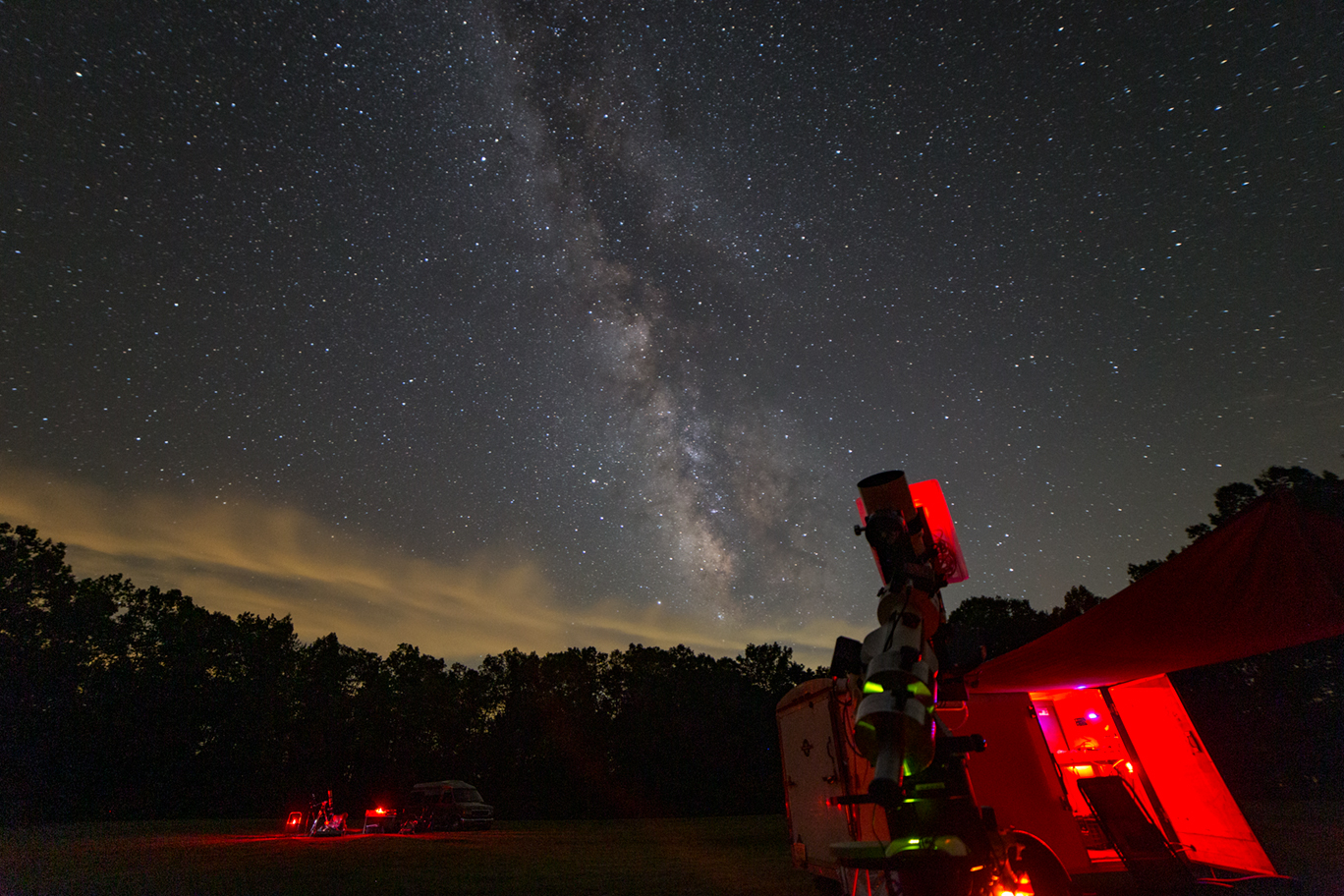
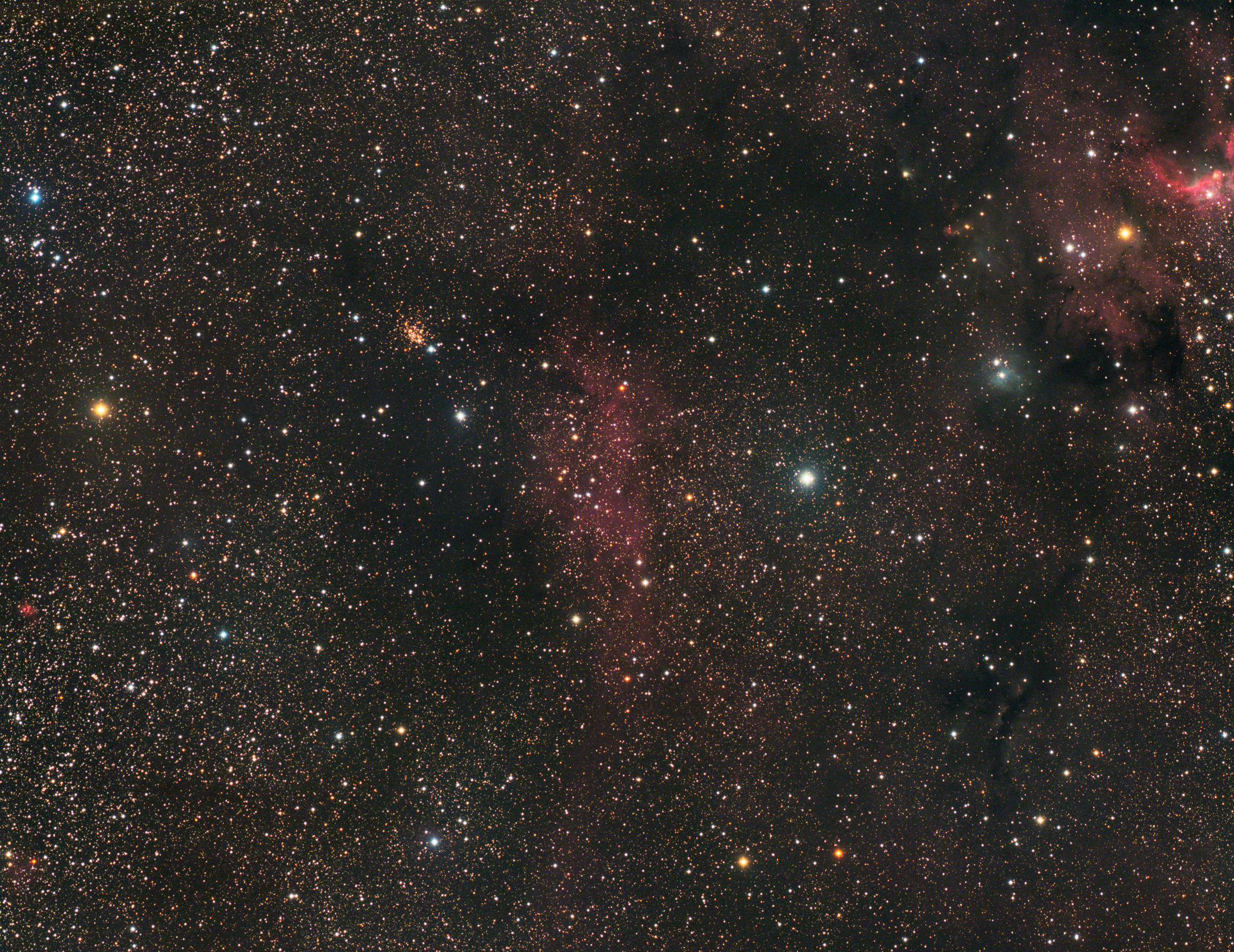
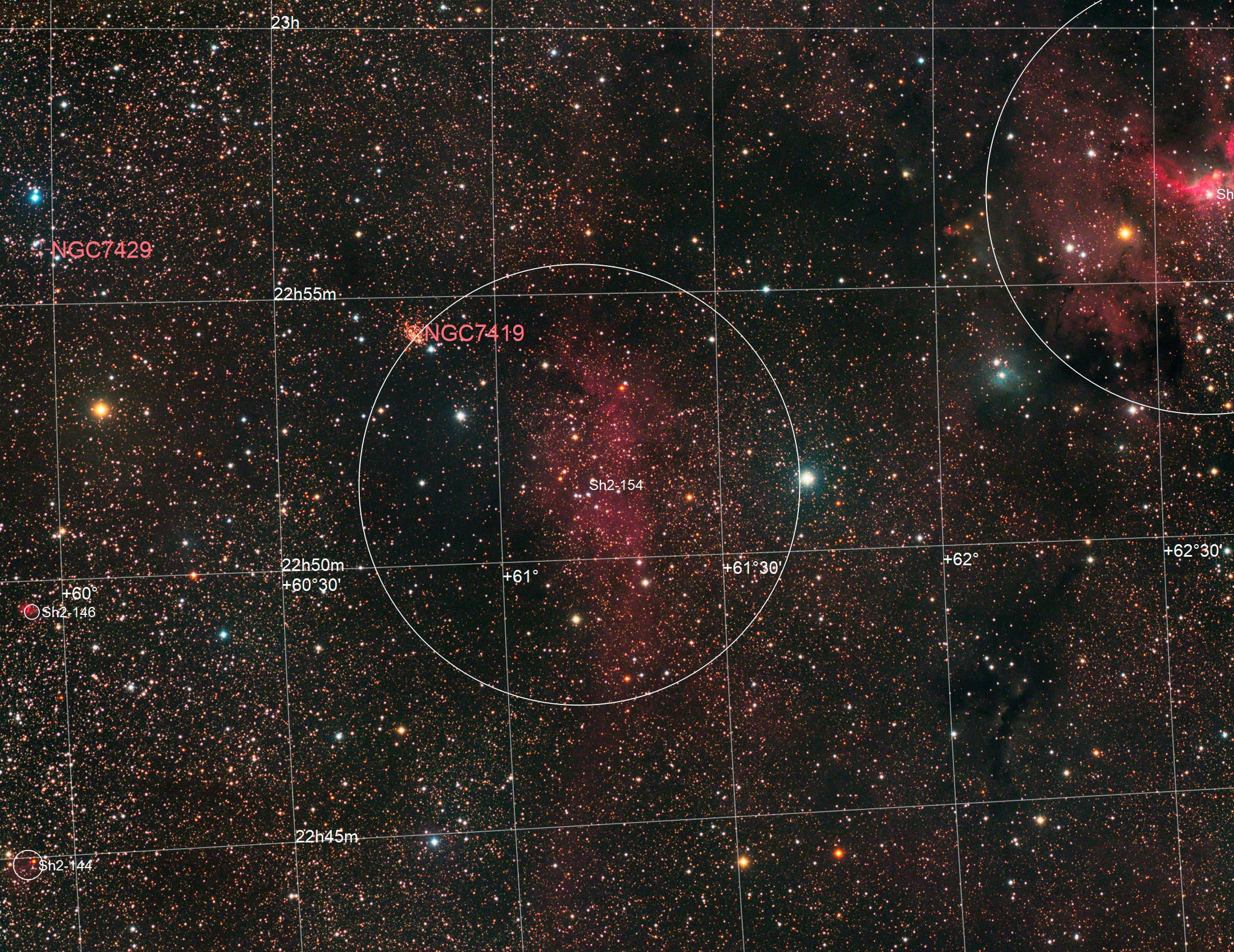
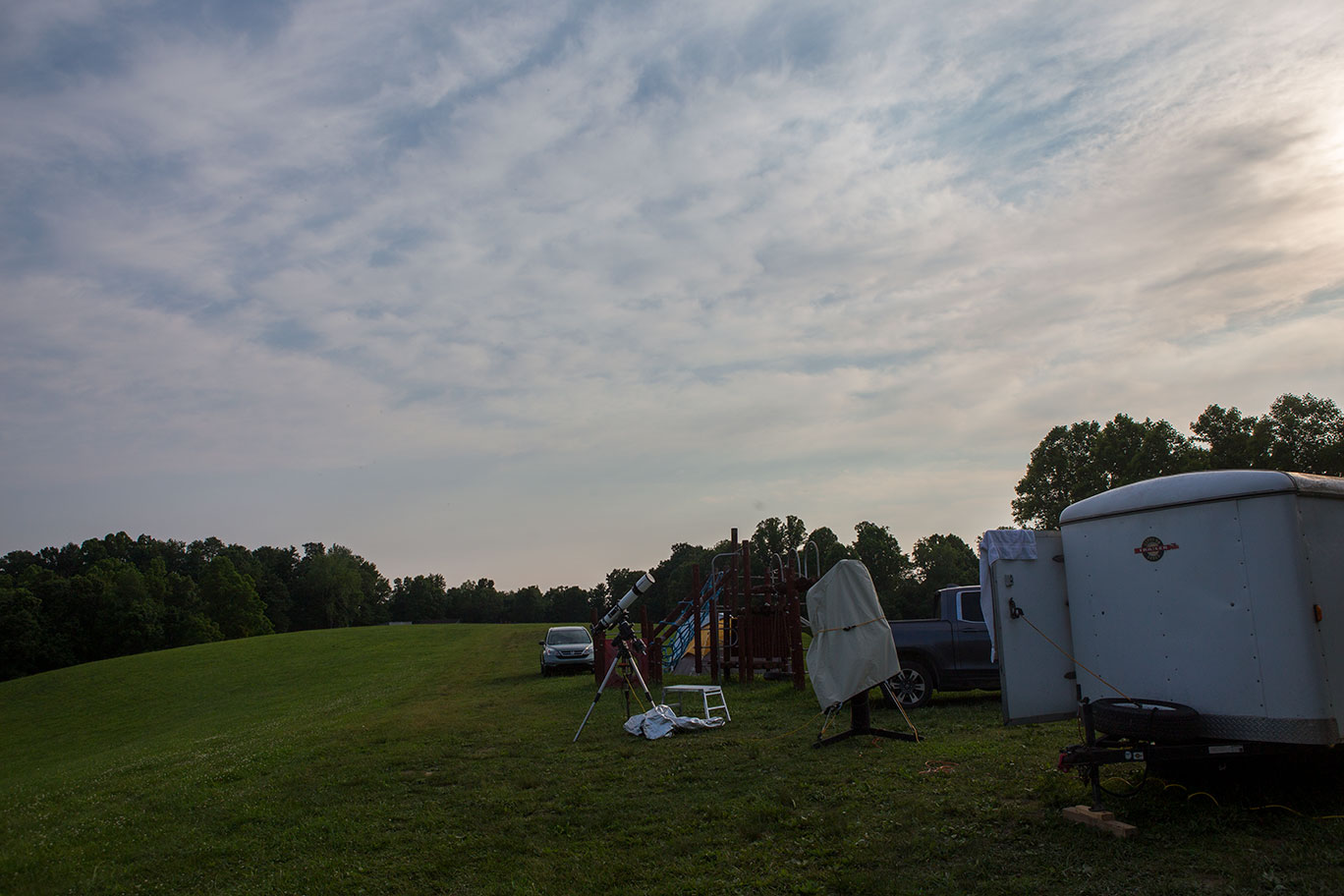
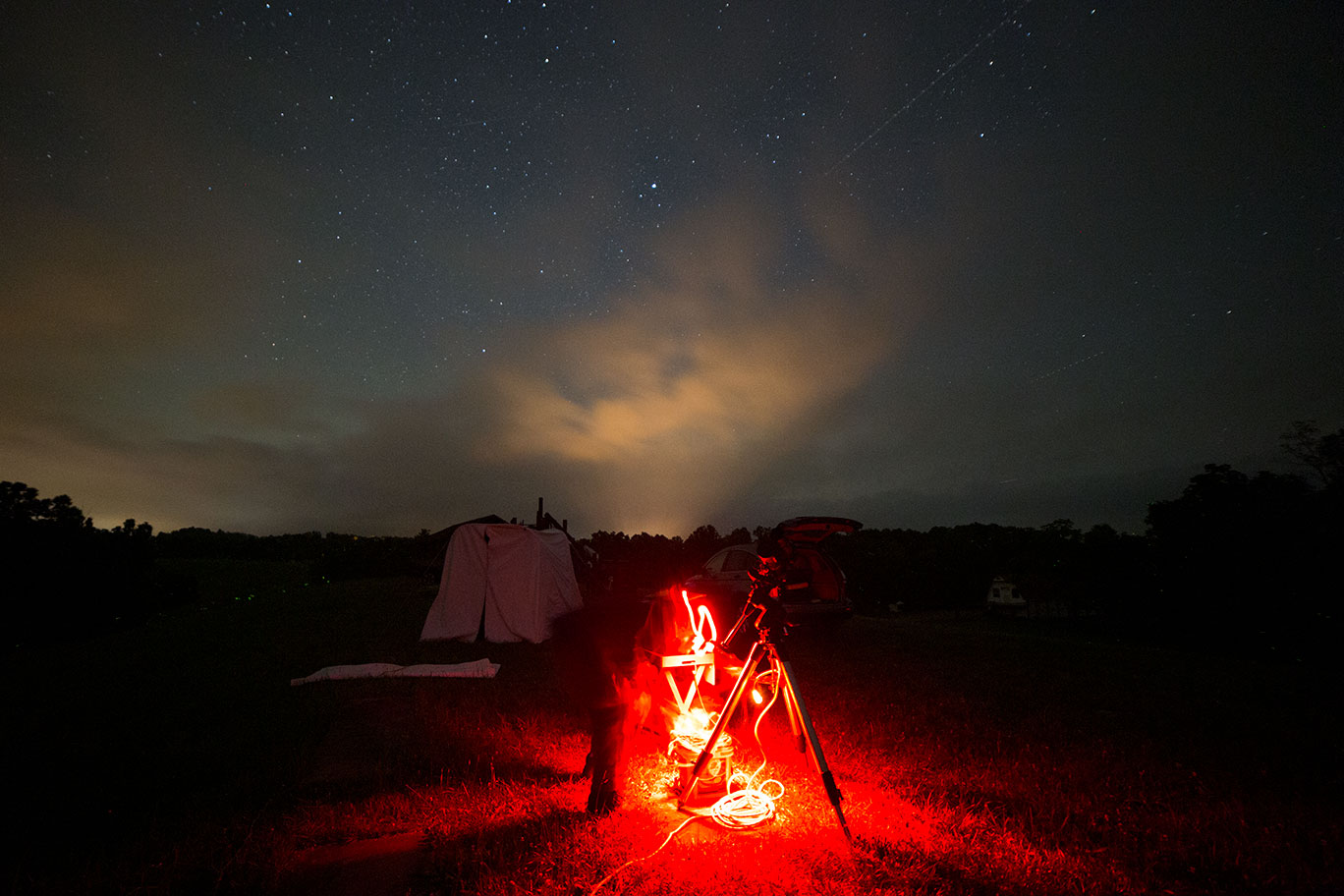
Presentation SpaceSetup on the fieldDusk; waiting for the thin stuff to clearLast few clouds clearing with the MW shinning through!The rig is facing N,NE towards the Constellation Cepheus imaging Sharpless Object SH2-154SH2-154: AP900GTO, FSQ-106ED with SX-46 CCD. Image scale of 2.33 arcsec/pixel. Exposure time ~13.5 hours. Also plainly visible on the right edge of the frame is SH2-155 The Cave Nebula. Sometimes the faint objects like 154 don’t get a lot of love because they’re not much to look at. At least it’s got a nice tight open cluster NGC 7419 nearby to draw some attention.Annotated
With weather looking wet and wild for the 2019 Cherry Springs Star Party and things looking slightly less soggy at Calhoun we decided to cancel on Cherry Springs and gamble on Calhoun. Good thing we were setup on the top of a ridge so we never had to deal with muddy conditions considering all the rain we didn’t know was coming.
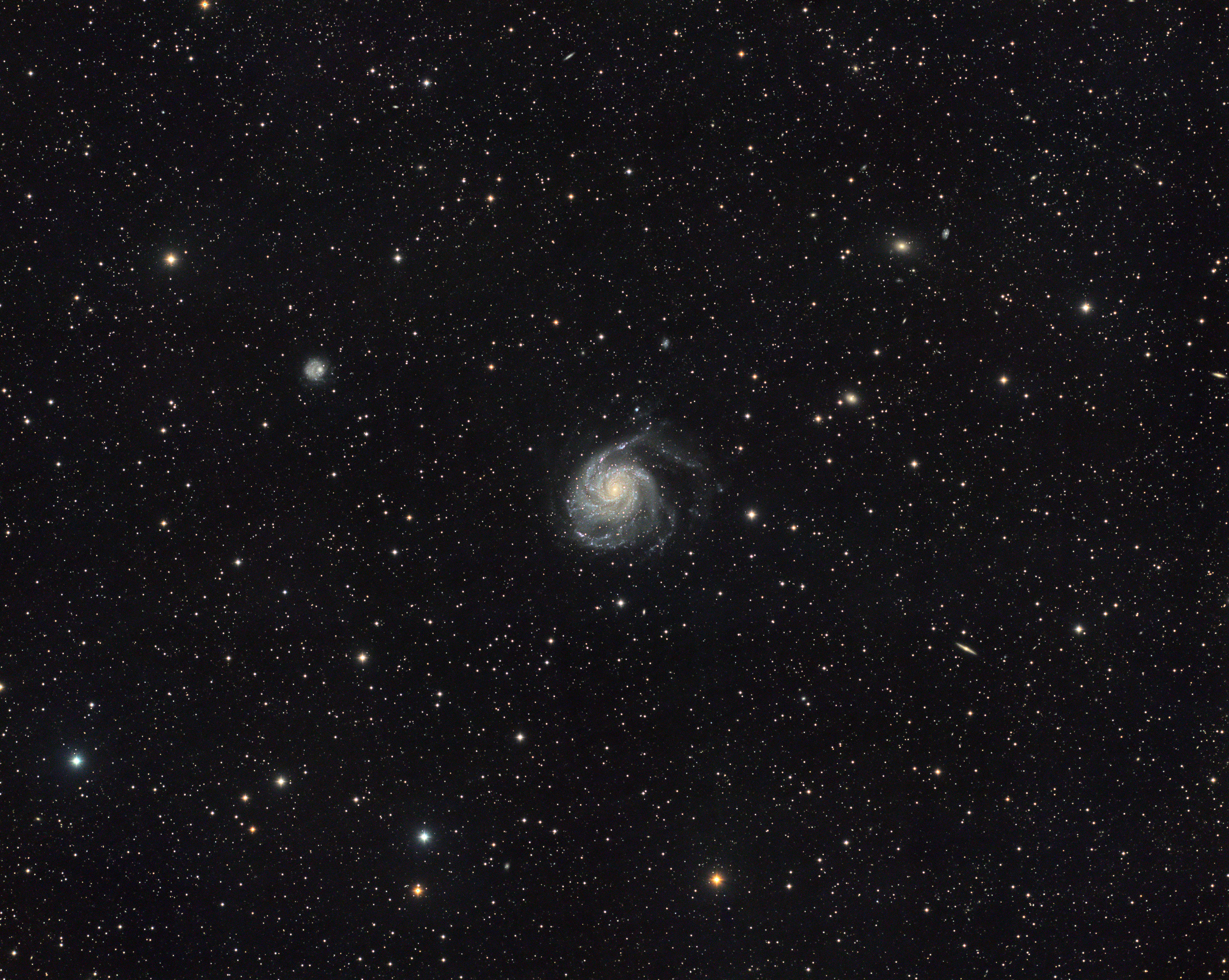
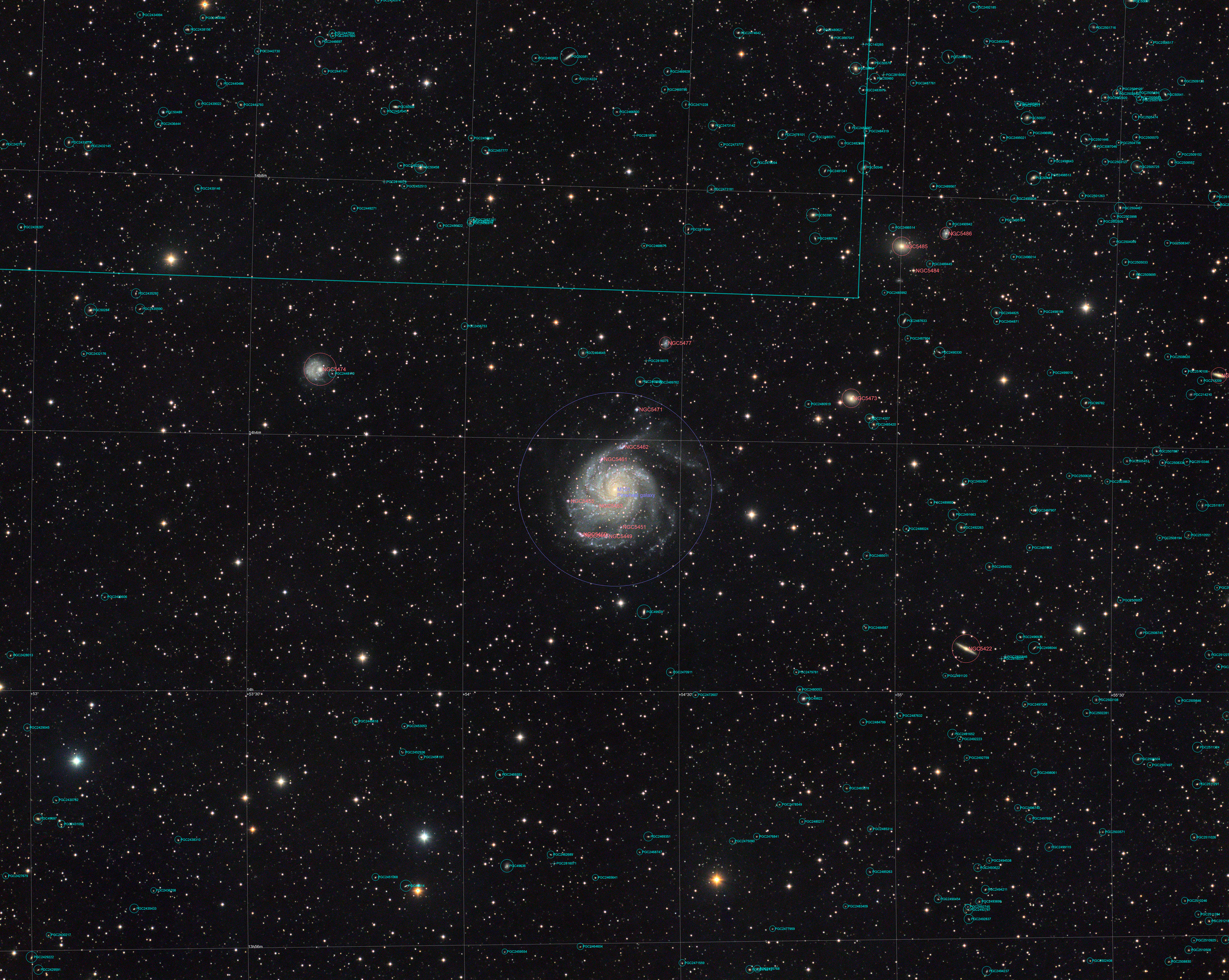
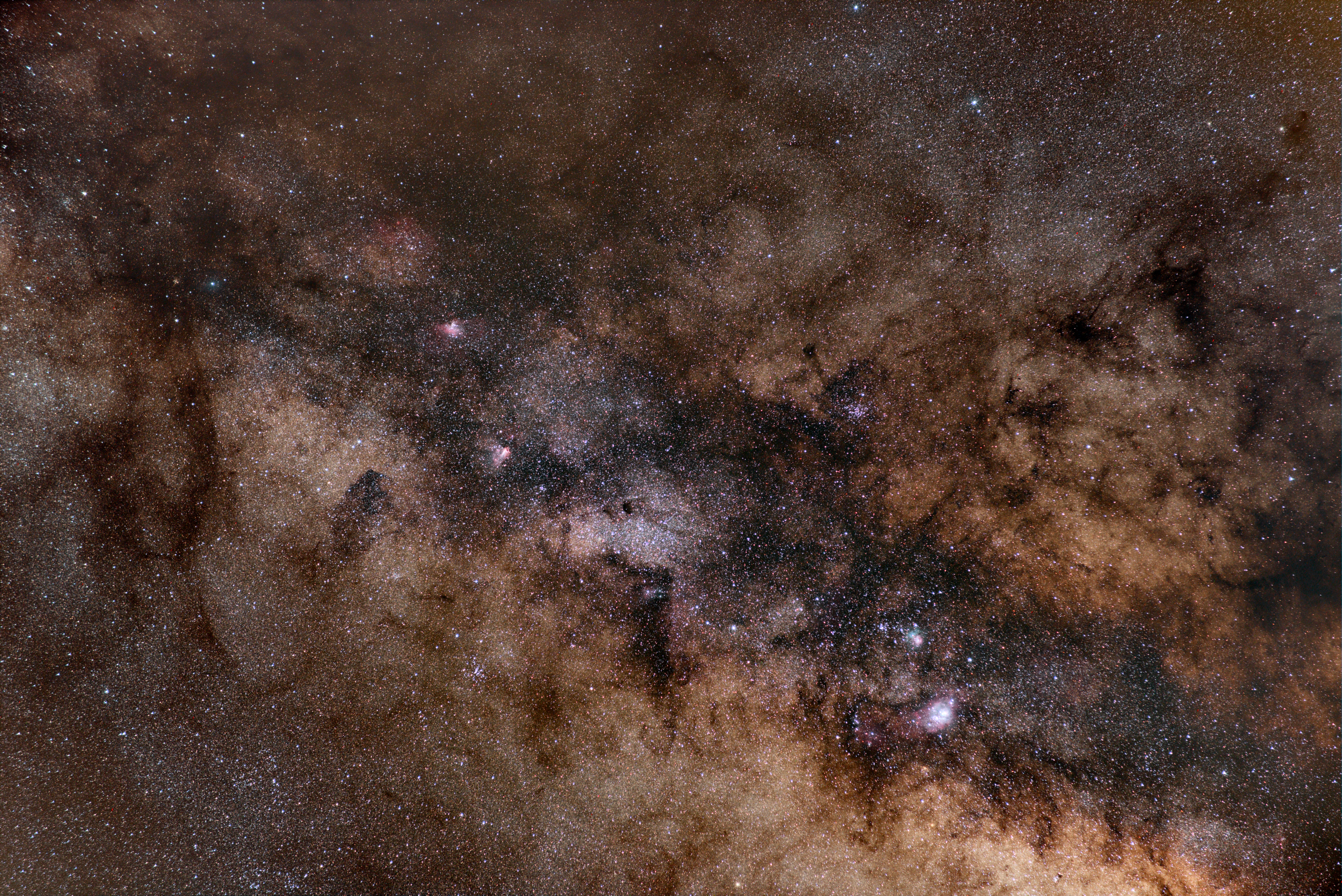
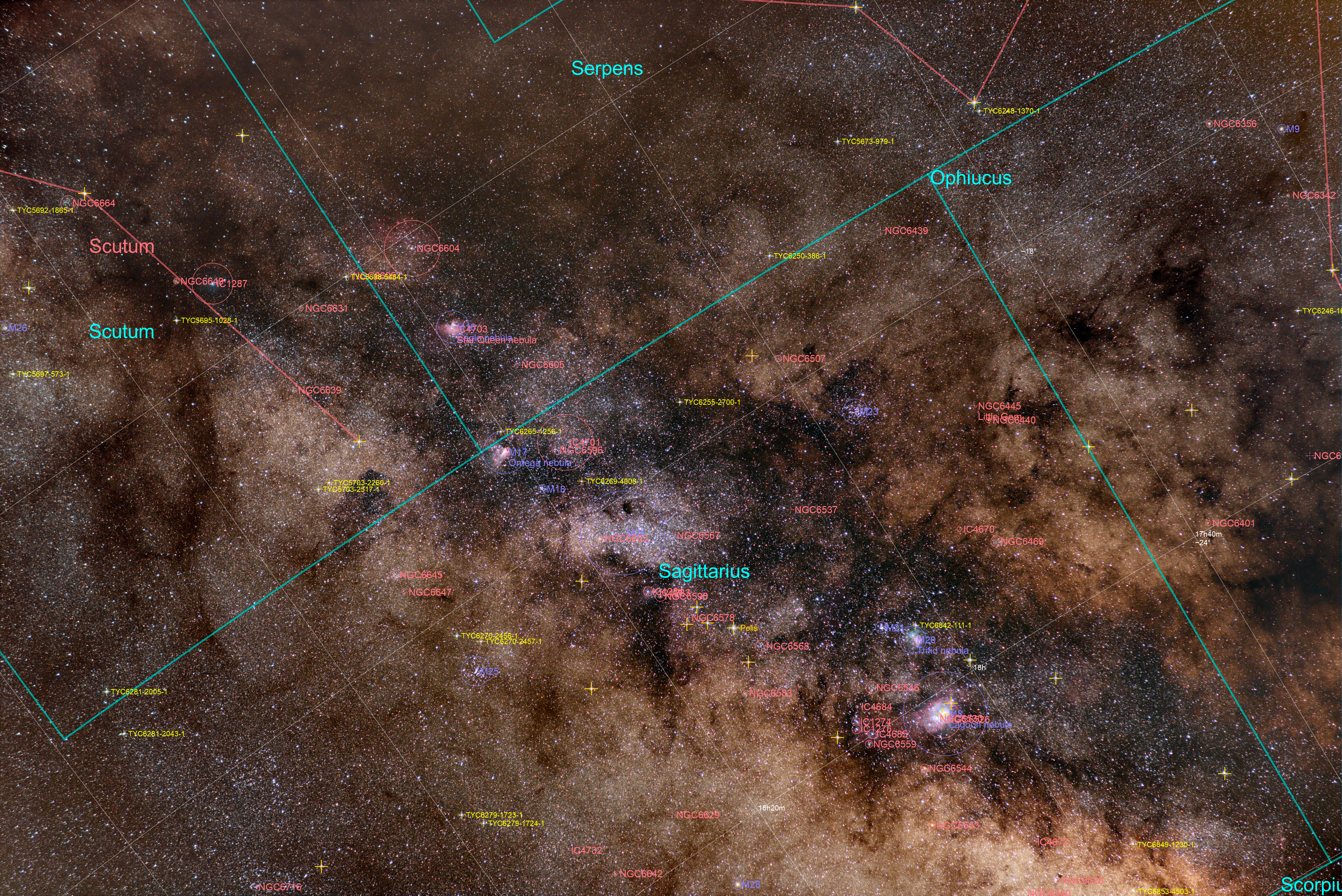
The first couple days were all clouded out.Night time conditions were very soupyCouple nights later things were improving but still very humid and hazy. The Milky Way was at least starting to pull out of the haze.Cloudy rainy days Equipment setup and hoping for clearingFrank and the Astro TentFinally some stars poking through the clouds. Look at that new bright light in the East / NE; it’s really projecting up!M101 – LRGB with FSQ-106ED and SX-46 CCD on AP900GTO Mount. 6 hours total exposure in hazy conditions. Best SQM 21.8 mag/arcsec^2. M101 Annotated – Check out all those background galaxies!Widefield of Scutum, Serpens, Sagittarius, and Ophiucus. Canon 6D with Rokinon 85mm f/4 tracking on an Atlas EQ-G. 14x3min shots stacked, no calibration. Widefield of Scutum, Serpens, Sagittarius, and Ophiucus annotated. You can see this very busy area is really a crossroads of constellations.Some VERY ominous clouds started moving in…
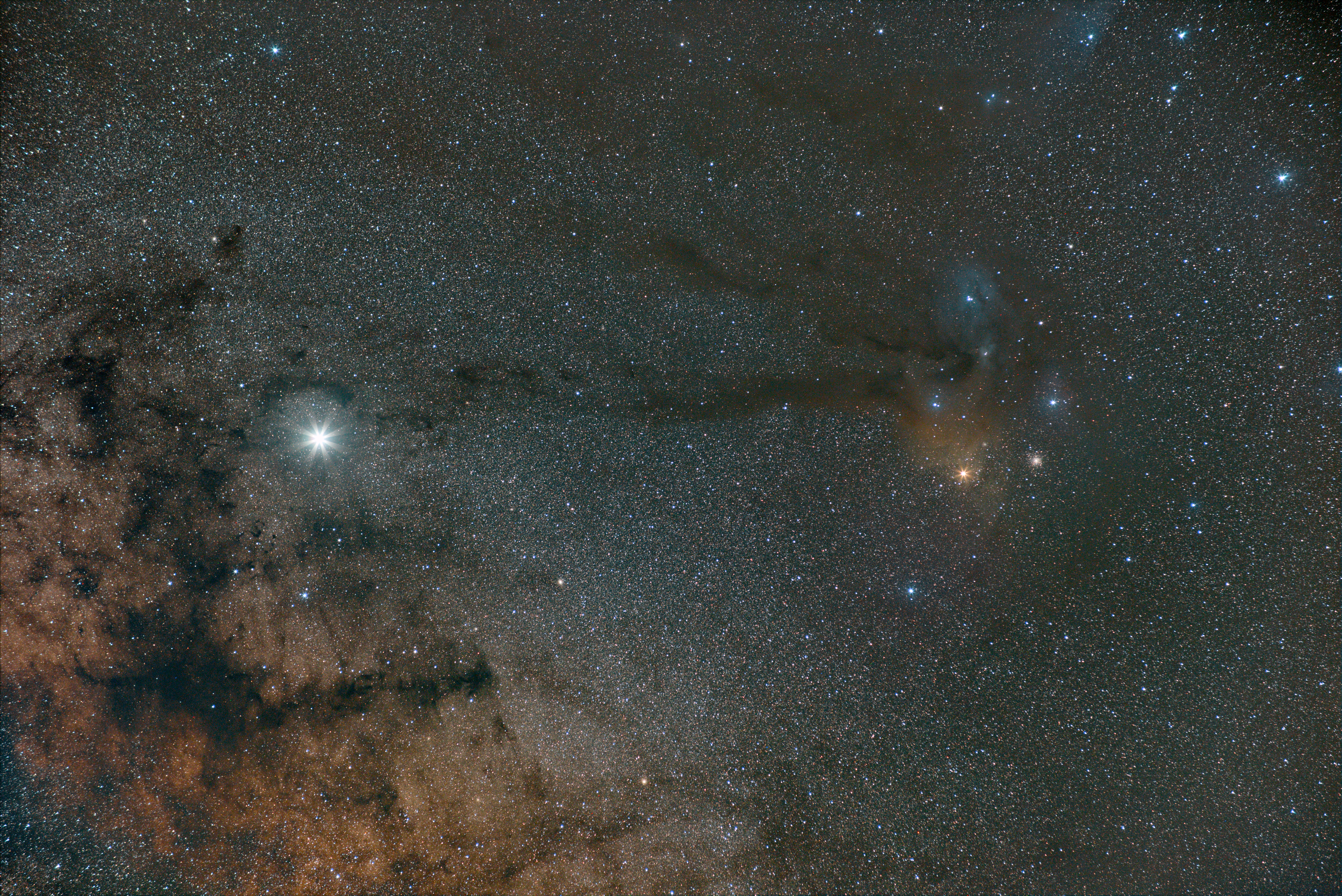
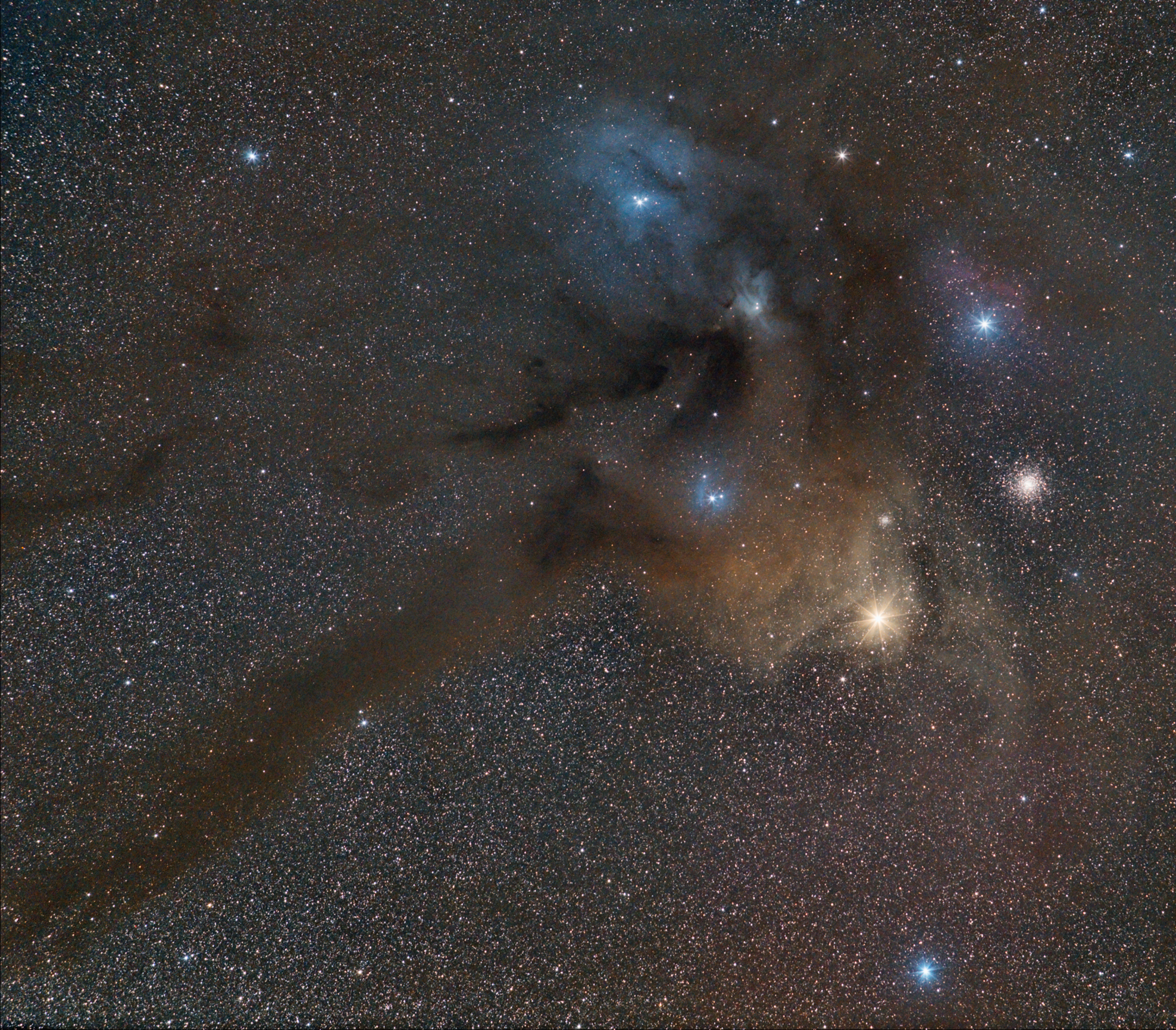
Hail StormM17 LRGB – FSQ-106ED with SX-46 CCD on AP900GTO Mount. Total Exposure almost 2 hours of hazy low to the horizon 5 minute subs. From Jupiter to the Rho Ophiuchi cloud complex. Canon 6D with Rokinon 85mm @f4. 6x3min frames stacked, no calibration.
I attended the annual Calhoun County Park Star Party (Oct 5-7) for the first time this year. The sky wasn’t the best it could be. Friday and Sat night both had humidity and dew off the charts with variable fog that seemed to slide up and down the hill but never got so high that it killed observing. I can’t help but think that it impaired the images a little but it may have just been the choice of a faint target during a hazy time of year. Sky quality measurements topped and held pretty steady around 21.6 mag/arcsec^2. I’m sure on a crisp night it would be a little darker. While there were some small light domes on the horizon they weren’t hardly worth mentioning in my opinion. The park was wonderful and the staff was so friendly they even prepared a great meal for us on Sat night. In total about 16 people showed for the party from TN, WV, PA, OH, and KY. Special thanks to Larry McHenry for posting info about the star party and turning us onto this event and Calhoun as an observing site. He typically posts updates on Cloudynights star party forum for upcoming Calhoun events.
Foggy Morning
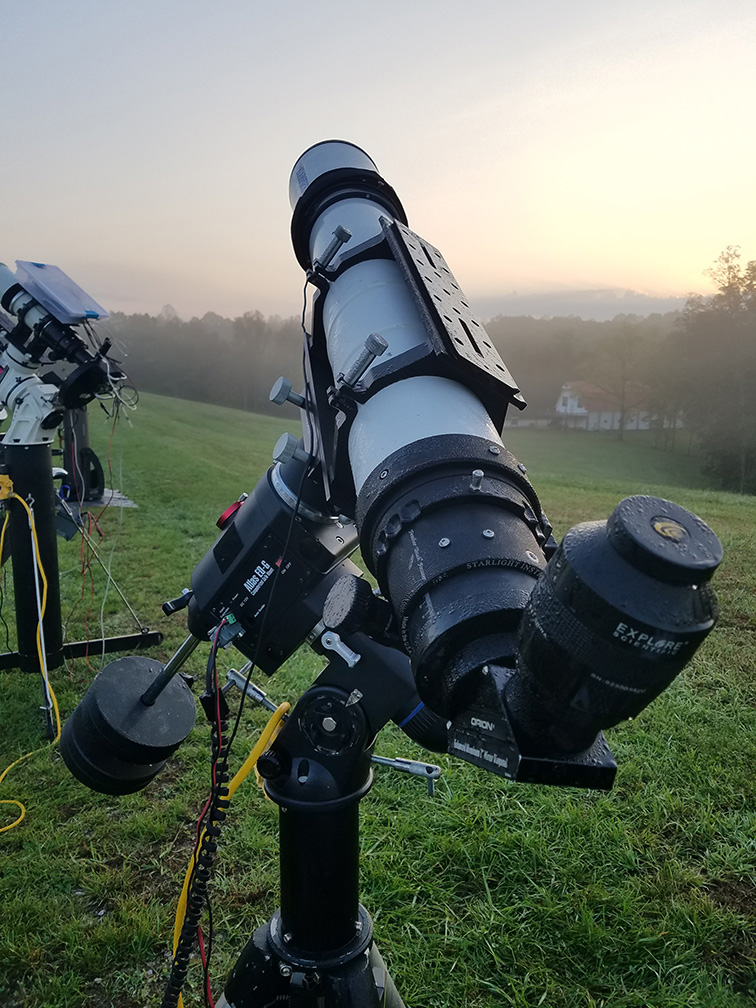
Visual Rig
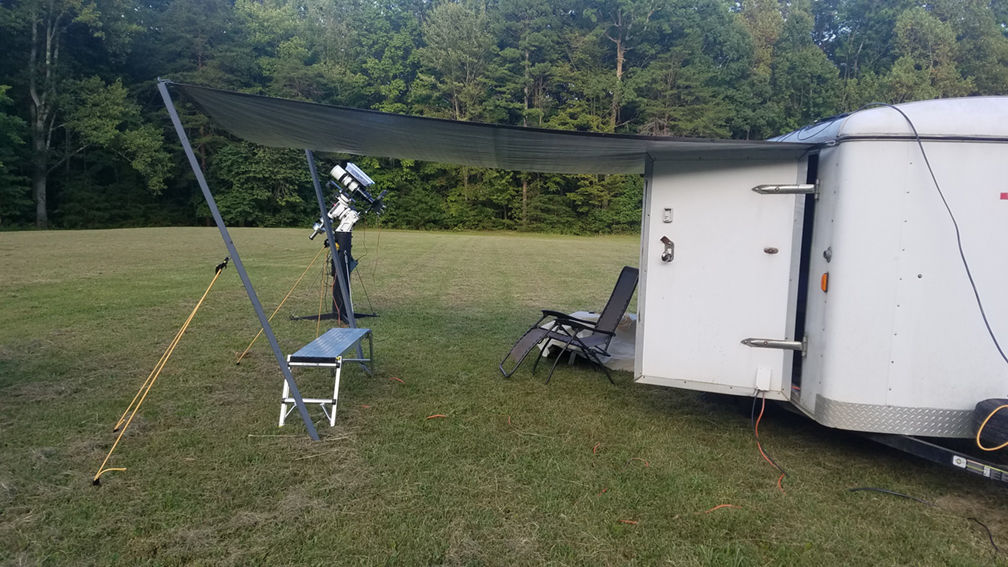
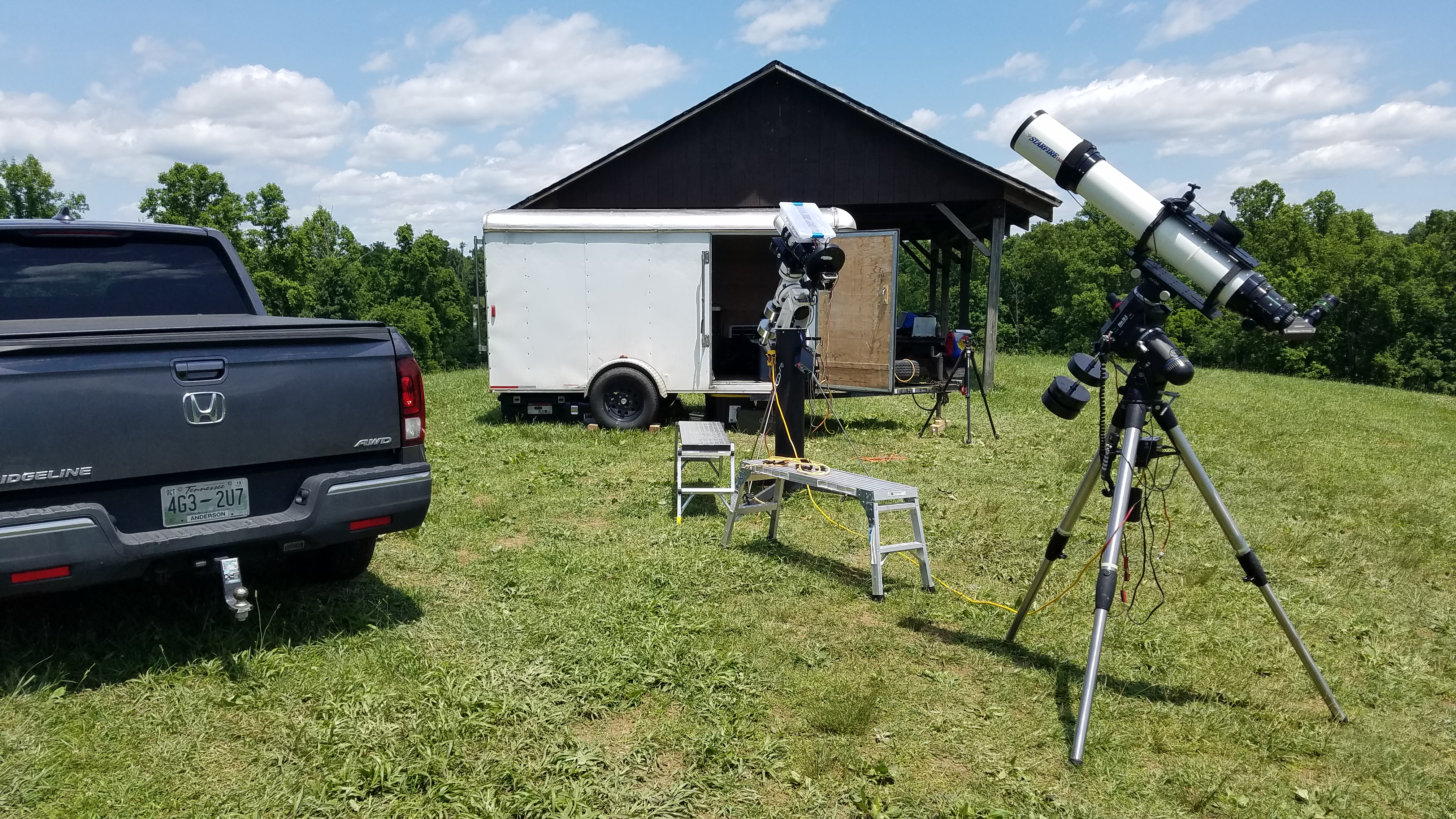
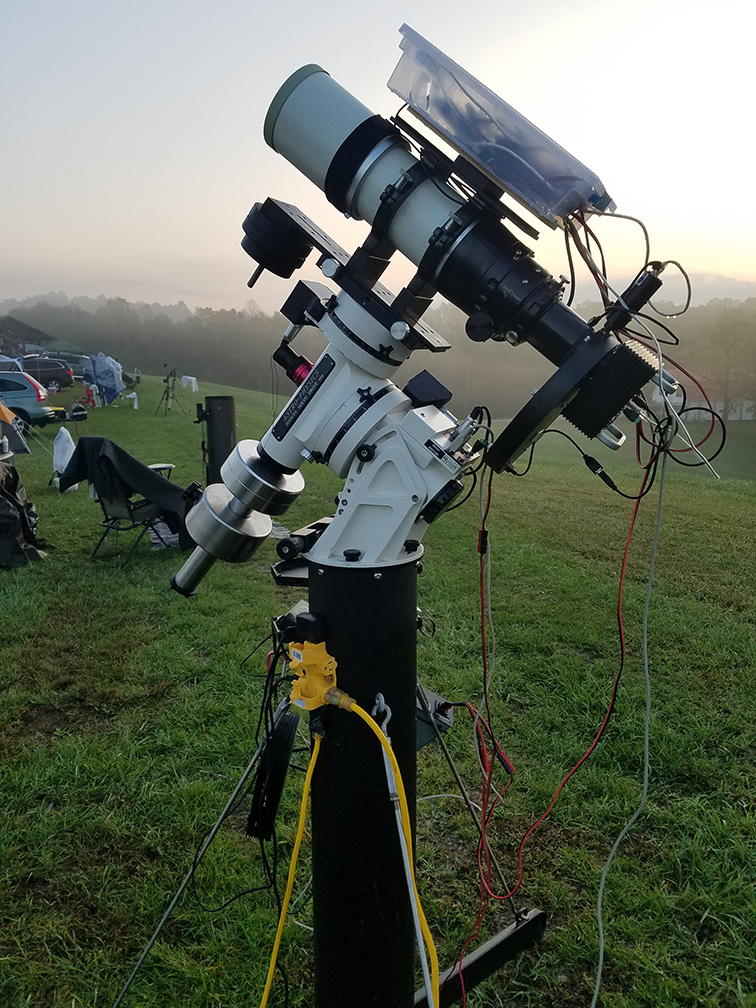
Imaigng Rig
Hot Afternoon
(Backside) From the Pond
Since Calhoun is pretty dark I decided to go after a fainter full spectrum object than I could ever do from home. VdB objects (reflection nebulae compiled by Sidney van den Bergh) are great targets when looking for something off the beaten path but aren’t always what I would call showcase objects. VdB 14 and 15 make for a nice parring here in a rich park of the sky in Camelopardalis.
vdb 14 & vdb 15: 12 hours of LRGB exposure with Tak FSQ-106ED Scope, SX-46 CCD, AP900GTO Mount.
I made the 13 hour trip up to Cherry Springs State Park for the Annual CSSP Star Party hosted by the Astronomical Society of Harrisburg PA, Inc. I went up a few days before the star party since it’s always helpful to get a good spot. Those of us that were there early on Monday night were treated to a fabulous night with SQM measurements >21.9! Overall it was an amazing streak of clear weather for PA with a total of 4 imaging nights. I was hoping for one or two so as not to set my expectations too high so I was very pleased with four nights!
I even did a little visual at low power with a 4″ refractor. LDN 1795 (large 50’x50’dark nebula in Scorpius) looked absolutely amazing to me at 19X. First time I had a WOW moment visually.
Waiting for Darkness
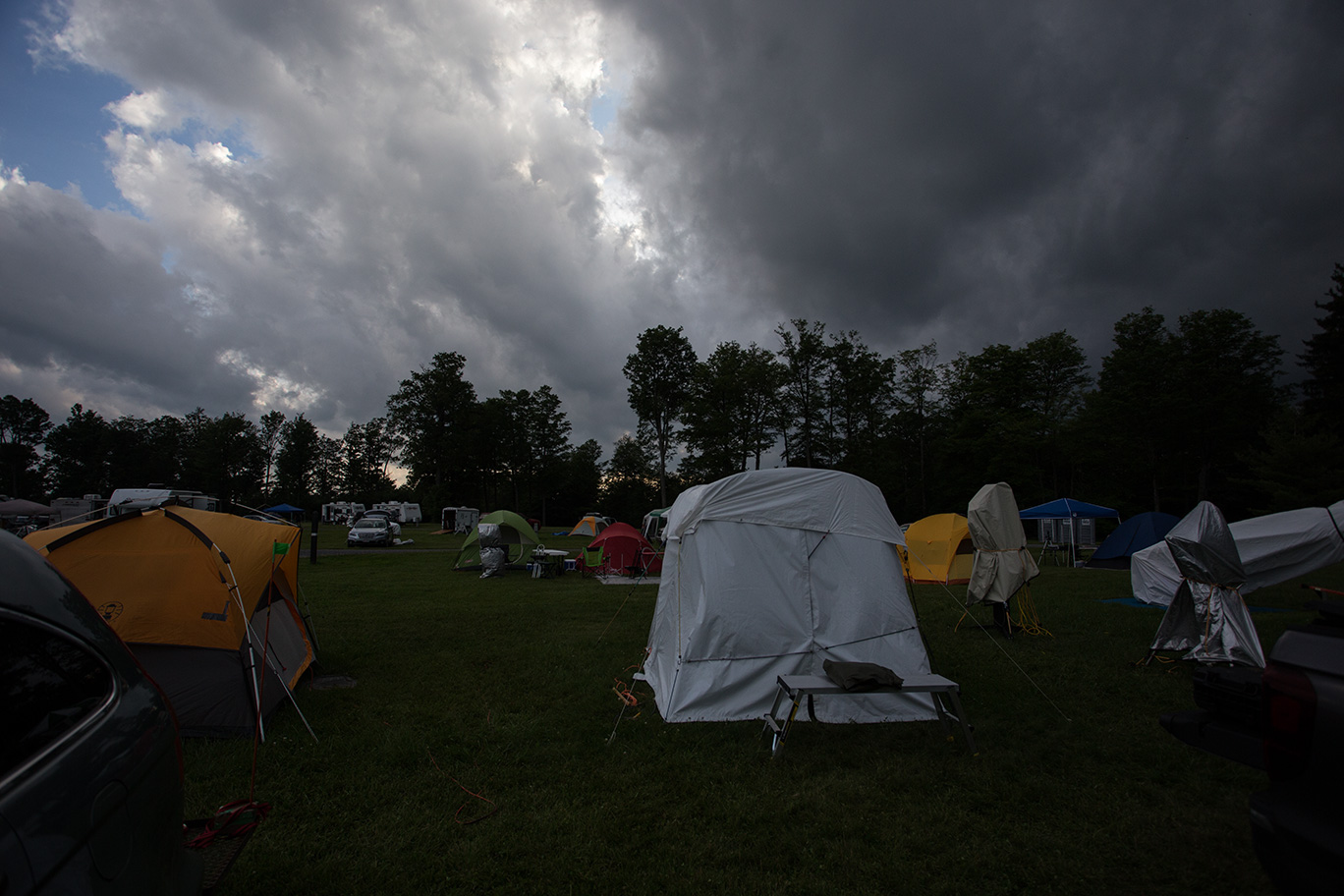
Just Some Slightly Concerning Weather Passing Through Everything is buttoned up and locked down. Luckily it skirted us to the North.
Rho Region Canon 6D @ ISO 3200 Canon 70-200mm f/2.8 @ 5.6
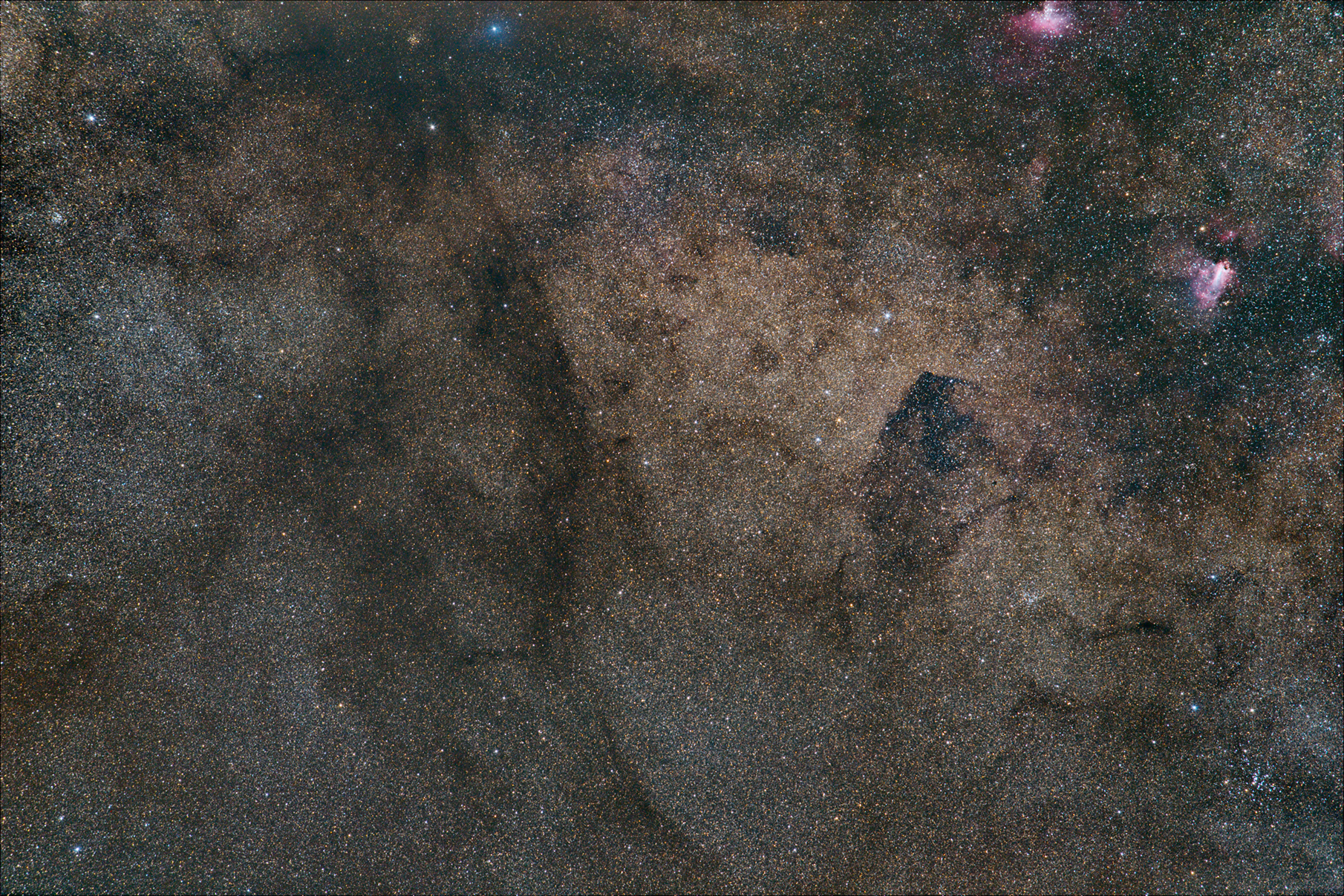
B312 on the Edge of Sagittarius and Scutum Canon 6D @ ISO 3200 Canon 70-200mm f/2.8 @f/4 8x240sec Exposure
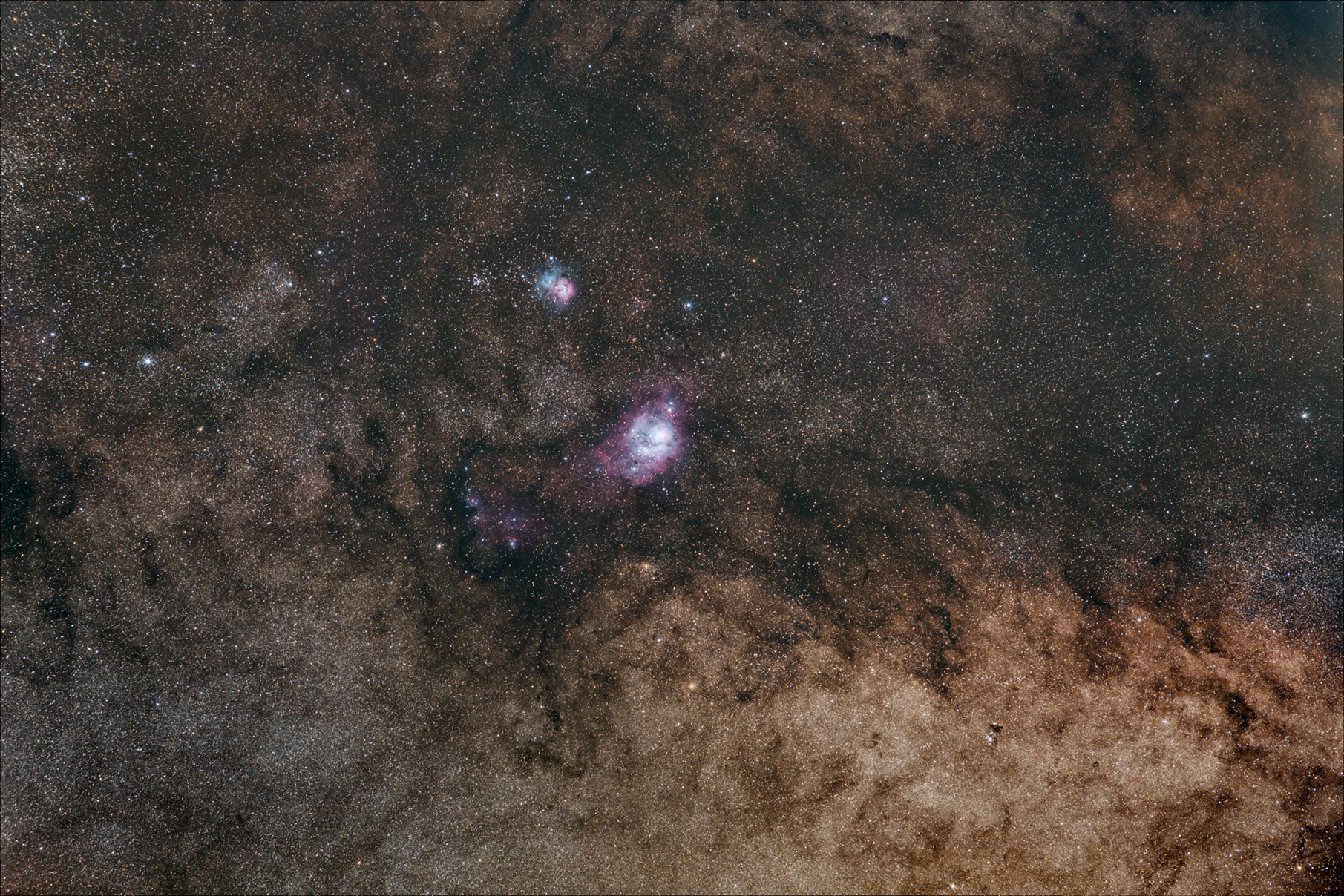
M8 & M20 Nestled Among the Stars Canon 6D @ ISO 3200 Canon 70-200 f/2.8 @ f/4 10x240sec total exposure
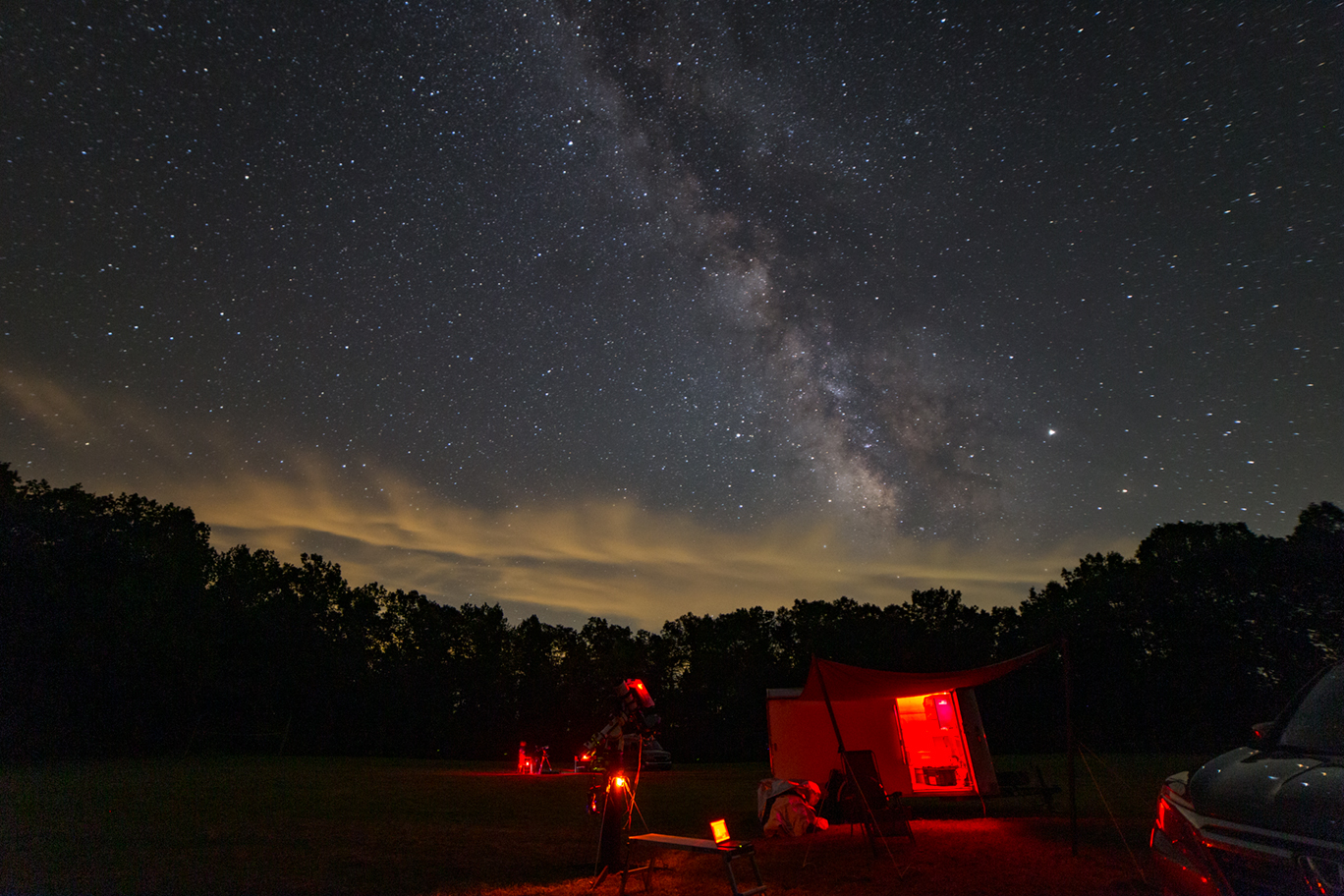
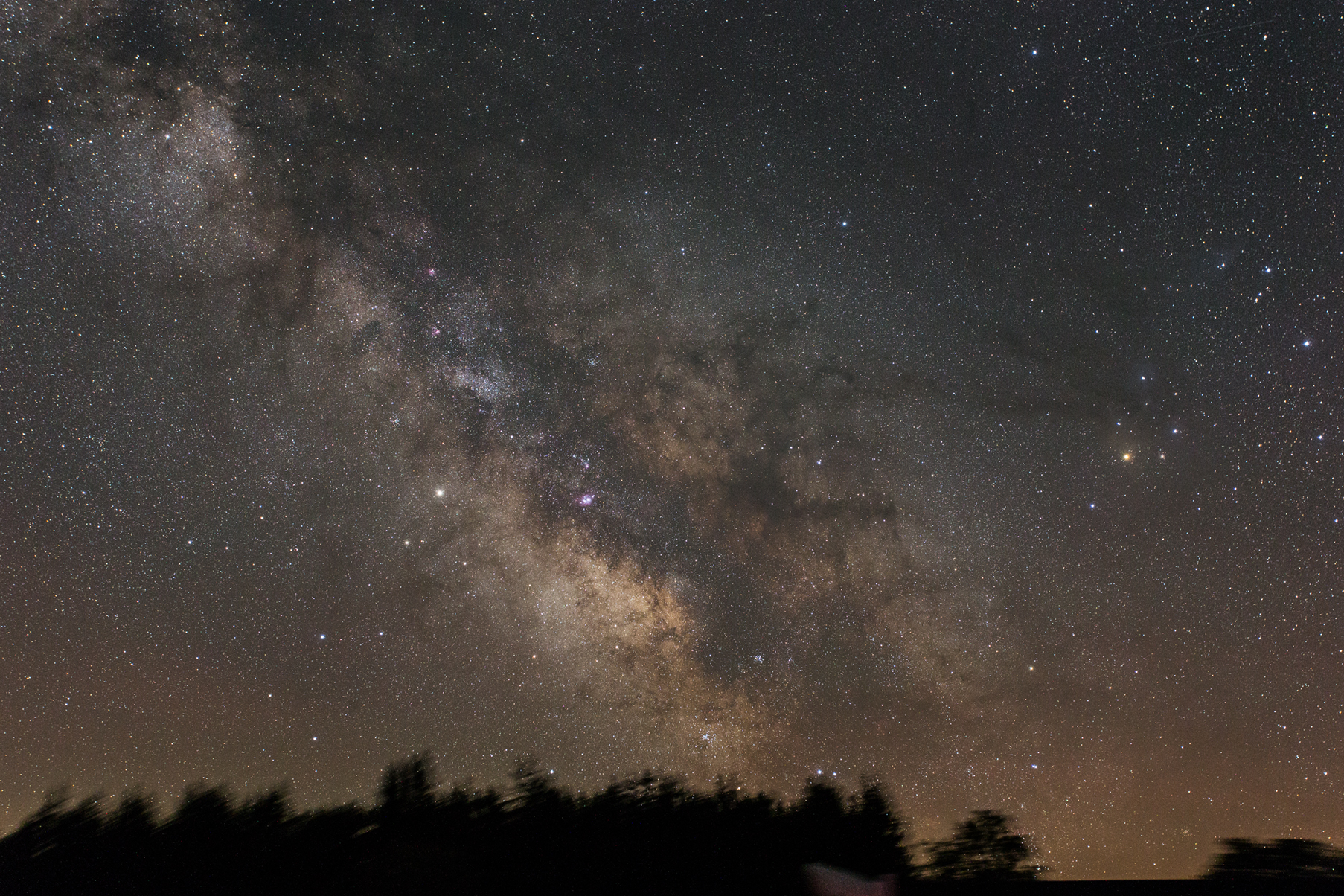
CSSP 2018 Milky Way Canon 6D @ ISO 3200 Canon 17-40mm f/4 @ f/6.7 and 37mm 1 x 240 seconds
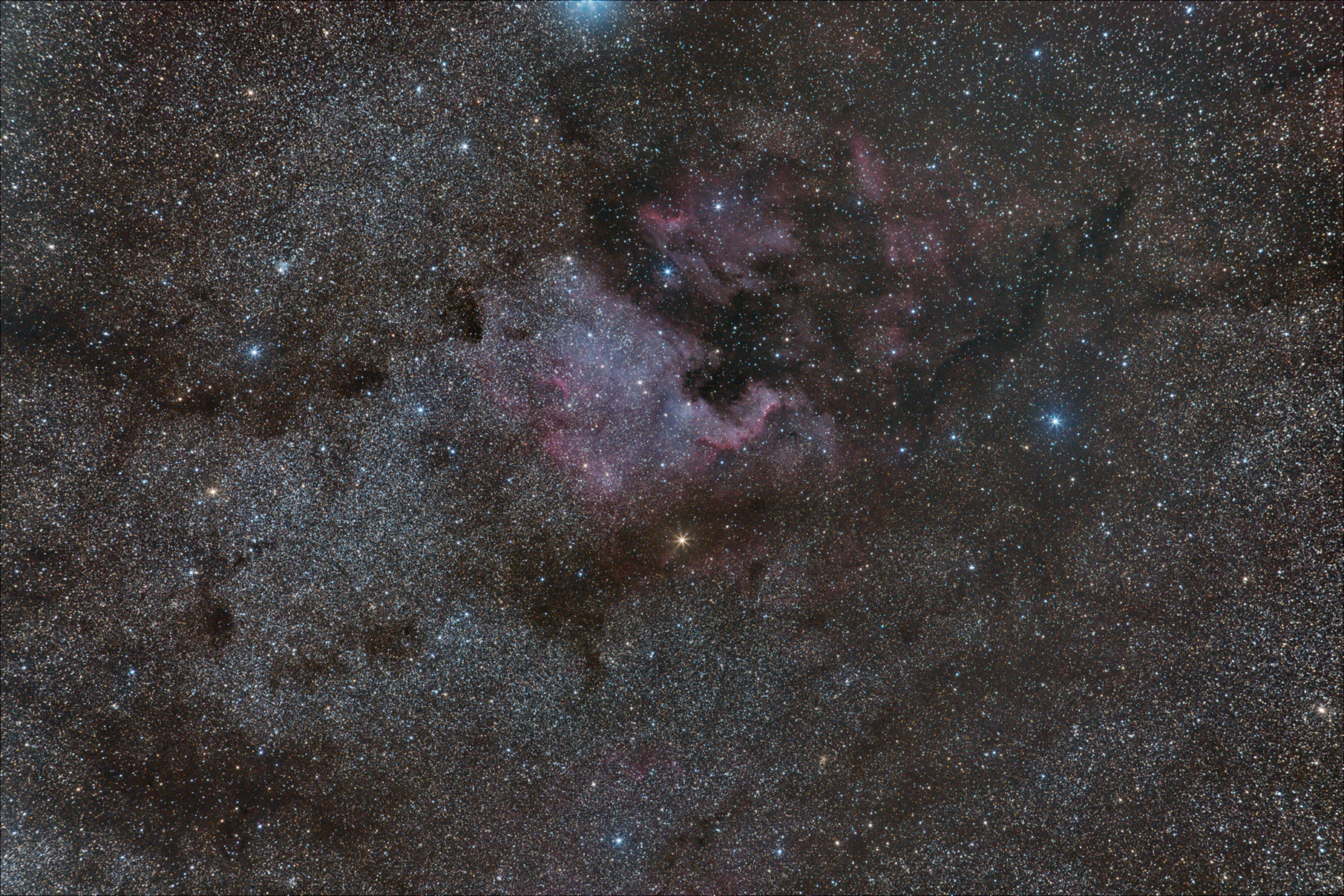
The North American Nebula And The Pelican Canon 6D @ ISO 3200 Canon 70-200mm f/2.8 @ f/4.5 10x240sec exposure